





RTL-SDR V4 USB-C Review: Best Portable SDR Android
What is the RTL-SDR V4 USB-C?
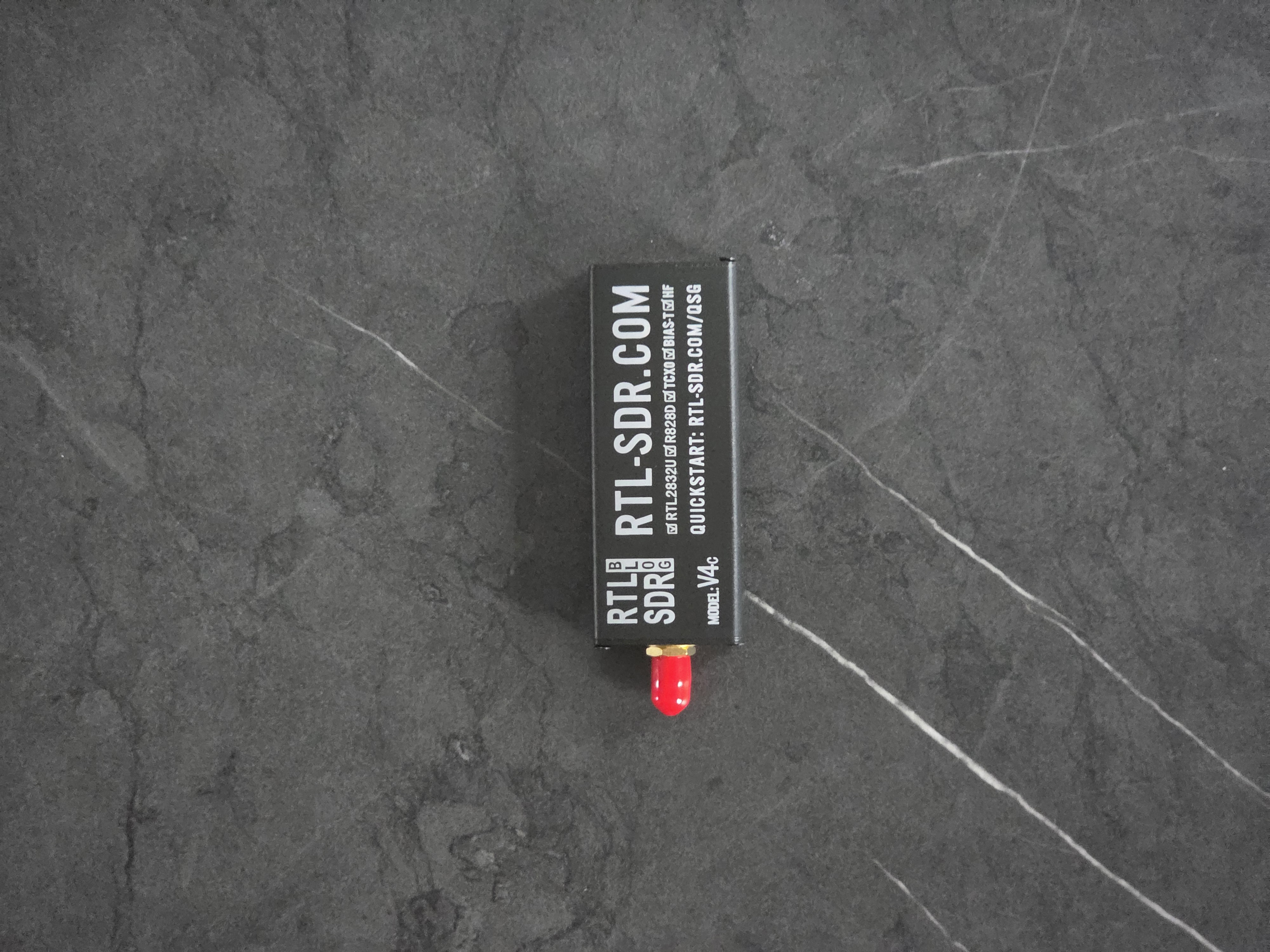
The RTL-SDR Blog V4 USB-C is the latest evolution of the industry-leading V4 receiver, featuring modern USB-C connectivity instead of the legacy USB-A connector. This seemingly small change has massive implications: USB-C enables direct Android smartphone and tablet support, eliminates the need for bulky USB adapters, and provides future-proof connectivity. The USB-C model retains all the performance characteristics of the original V4 (R828D tuner, 1PPM TCXO, HF reception to 500 kHz, 2.4 MHz bandwidth) while opening up entirely new use cases for mobile spectrum monitoring.
USB-A vs. USB-C: Why This Matters
- Original V4 (USB-A): Requires USB-A to micro-USB or USB-C adapter for smartphone/tablet use; reduces portability and adds potential failure points.
- V4 USB-C: Direct connection to modern smartphones and tablets; native Android app support via USB-C OTG; no adapters required.
- Modern Standard: USB-C is now the dominant connector on flagship devices; future-proofing against USB-A obsolescence.
- Power Delivery: USB-C allows higher power delivery (up to 5A vs. 500mA USB 2.0)—enables simultaneous operation of external LNAs without additional power supplies.
Hardware Specifications
| Specification | RTL-SDR V4 USB-C | Notes |
|---|---|---|
| Frequency Range | 500 kHz – 1.7 GHz | HF (500 kHz) to UHF with built-in upconverter |
| Tuner Chip | R828D (premium tuner) | Better sensitivity and lower noise than standard clones |
| ADC | RTL2832U (8-bit) | Direct-conversion receiver architecture |
| Oscillator | 1PPM TCXO | Temperature-compensated crystal oscillator for accuracy |
| Real-Time Bandwidth | 2.4 MHz stable (3.2 MHz peak) | Instantaneous signal capture with full IQ data |
| Connector | SMA F (female) | Standard RF connector for antenna compatibility |
| Bias Tee | Software-activatable | Powers external LNAs and active antennas directly |
| USB Interface | USB-C (USB 3.0 capable via USB-C) | Modern connector; native smartphone/tablet support |
| HF Reception | 500 kHz – 28.8 MHz (via upconverter) | 28.8 MHz low-pass filter for optimal performance |
| Case | Aluminum with passive cooling | Thermal management prevents frequency drift |
| ESD Protection | Extra protection circuitry | Protects against static discharge damage |
| Front-End Filtering | Improved filtering | Reduces out-of-band interference |
| Power Consumption | ~500 mA @ 5V (2.5W) | USB-powered; no external supply required |
| Operating Systems | Windows, Linux, Raspberry Pi, Android (USB-C) | macOS support not yet confirmed for USB-C variant |
Key Advantage: Android Mobile SDR Reception
The USB-C variant enables native Android support—something the USB-A version could not achieve reliably. With compatible Android SDR applications like SDR Touch, users can now operate a full spectrum analyzer in their pocket. This opens unprecedented portability for:
- Field spectrum monitoring during site surveys
- Portable ADS-B tracking while traveling
- Mobile interference identification and RF hunting
- Remote monitoring via smartphone in locations where a laptop is impractical
Android Compatibility Considerations
- USB-C OTG Required: Device must support USB-C on-the-go (OTG) mode—most modern Android devices support this natively.
- Software Support: Not all SDR software supports RTL-SDR V4 USB-C yet. Compatibility matrix:
- SDR Touch: Full support (primary Android app)
- GQRX: Limited Android support; USB-C variant status unclear
- CubicSDR: Android version in development; USB-C support pending
- Power Considerations: Some smartphones may not provide sufficient power for both the V4 and an external LNA simultaneously; USB power delivery limitations apply.
- Driver Installation: RTL-SDR Blog USB-C drivers required; installation process differs from USB-A version.
Portable Use Cases
- Smartphone-Based ADS-B Receiver: Portable flight tracking with real-time aircraft monitoring on your phone.
- Field Spectrum Analysis: Immediate spectral visualization during RF site surveys without laptop dependency.
- Emergency Responder Communications: Monitor emergency frequencies during field operations using only a smartphone.
- Amateur Radio Mobile Station: Portable VHF/UHF receiver for traffic monitoring or repeater access while mobile.
- Interference Hunting: Identify RF interference sources in real-time during troubleshooting sessions.
- Weather Satellite Imaging: Capture NOAA imagery on-the-go with proper antenna setup.
Performance Specifications (Identical to USB-A V4)
- FM Broadcast (88-108 MHz): Excellent sensitivity with included antenna; receives stations 50+ miles away.
- ADS-B Aircraft Tracking (1090 MHz): 100-150 mile range with dipole; 250+ miles with external LNA.
- NOAA Weather Satellites (137-138 MHz): Full APT imagery reception capability.
- Amateur Radio (144-148 MHz / 430-450 MHz): Complete VHF/UHF coverage.
- HF Shortwave (500 kHz-28.8 MHz): International broadcasts and maritime communications via upconverter.
Smartphone vs. Desktop Operation: Trade-offs
| Aspect | Smartphone Operation | Desktop Operation |
|---|---|---|
| Portability | Excellent—fits in pocket | Limited (requires laptop/Raspberry Pi) |
| Processing Power | Moderate (adequate for basic demod) | Superior (handles complex processing) |
| Battery Life | Drains phone battery quickly (2-4 hours) | Can run indefinitely with USB power |
| Software Availability | Limited (SDR Touch primarily) | Extensive (GQRX, SDRangel, CubicSDR) |
| Screen Size | Small but responsive | Large for detailed analysis |
| Recording Capability | Limited by phone storage | Unlimited (large drive storage) |
| Real-Time Features | Waterfall, basic spectrum | Full waterfall, advanced analysis |
What's Included (Dongle Only)
Important Note: The RTL-SDR V4 USB-C is sold as a dongle only—no antenna kit is included with this variant. Users must source their own antenna solution:
- 1× RTL-SDR Blog V4 USB-C dongle with SMA F connector
- No antenna included (required separately)
- No cables or mounting hardware (required separately)
Recommended Accessories for Mobile Use
- Portable Dipole Antenna: Compact, multi-band option for field operations
- Mobile Monopole/Whip Antenna: Vertical orientation for car-based operations
- USB-C Cable with Right-Angle Connector: Prevents cable strain on smartphone connector
- Smartphone Holder/Mount: Keeps phone stable during field monitoring
- Power Bank with USB-C PD: Sustains smartphone and V4 operation during extended sessions
- RF Shielding Bag: Protects dongle from moisture and damage during transport
Comparison: USB-A vs. USB-C V4
| Feature | USB-A V4 | USB-C V4 |
|---|---|---|
| RF Performance | Identical | Identical |
| Tuner (R828D) | Yes | Yes |
| 1PPM TCXO | Yes | Yes |
| HF Reception (500 kHz) | Yes | Yes |
| Desktop Software Support | Excellent | Developing (newer) |
| Android Support | Poor (requires adapter) | Native USB-C OTG |
| macOS Support | Yes | Unknown (under development) |
| Future-Proofing | USB-A becoming obsolete | Modern standard |
| Antenna Kit Included | Yes (optional with kit bundle) | No (dongle only) |
Strengths
- Mobile SDR First: Enables smartphone-based RF reception without adapters—genuinely portable SDR.
- Modern Connectivity: USB-C eliminates legacy USB-A adapters; future-proof design.
- Identical RF Performance: Same R828D tuner and 1PPM TCXO as USB-A model—no performance compromise.
- HF Reception: 500 kHz upconverter makes it the most versatile budget receiver for shortwave.
- Field-Ready Design: Aluminum case and passive cooling handle outdoor conditions.
- Bias Tee Power: Software-activatable bias tee powers external LNAs directly.
- Native Android Support: No adapters or workarounds required for modern Android devices.
Limitations
- Dongle Only: No antenna or cables included—must purchase separately (disadvantage vs. USB-A kit bundle).
- Software Immaturity: USB-C driver support and Android compatibility still developing; not all software tested yet.
- macOS Status Unknown: RTL-SDR Blog has not confirmed macOS USB-C driver availability.
- Android Battery Drain: Operating from smartphone drains battery quickly (2-4 hours typical).
- Android Software Limited: SDR Touch is primary Android app; alternatives limited compared to desktop.
- USB 2.0 Bandwidth Limit: Even though USB-C, bandwidth still limited by RTL2832U to ~2.4 MHz sustained.
Ideal Use Cases for USB-C Model
- Primary: Mobile spectrum monitoring and portable field work
- Secondary: Desktop use on modern USB-C equipped computers (future-proofing)
- Not Ideal: Stationary installation (USB-A model with antenna kit is better value)
Verdict: The Future of Portable SDR
The RTL-SDR V4 USB-C is a smart investment for users who prioritize portability and plan to operate primarily from smartphones or modern USB-C devices. It delivers the proven RF performance of the V4 while eliminating the adapter hassle that plagued previous mobile SDR attempts. However, the lack of included antenna and developing software support mean buyers should have realistic expectations about capabilities in 2025. For pure desktop use, the USB-A V4 kit bundle offers better value. For mobile-first operations, the USB-C variant is the clear choice.
Best For
- Field spectrum monitoring and RF hunting during site surveys
- Portable ADS-B tracking for travelers and mobile enthusiasts
- Emergency responders needing quick RF monitoring capability
- Users with modern USB-C smartphones wanting native SDR support
- Future-focused buyers avoiding USB-A obsolescence
Final Score
- Mobile Capability: 10/10
- RF Performance: 8/10
- Software Maturity: 7/10 (developing)
- Portability: 10/10
- Overall Rating: 8.5/10
Get Your RTL-SDR V4 USB-C Today!
Experience portable SDR the way it was meant to be—USB-C native connectivity for your smartphone and modern devices. The future of field spectrum monitoring starts here.
Get your RTL-SDR V4 USB-C today!
No posts found
Write a review




We support all major card and digital payment options. More local methods are available and shown during checkout.
You enter into a binding sales contract once you have received an 'order confirmation and sales receipt' email from us, in line with our Sales & Delivery conditions. Therefore, sdrstore.eu has the right to cancel your order in the event of technical problems, delivery failure, Fair use policy and other similar situations.






Your payments are protected by advanced encryption and 3-D Secure authentication for safe online shopping.