
+3197010267156
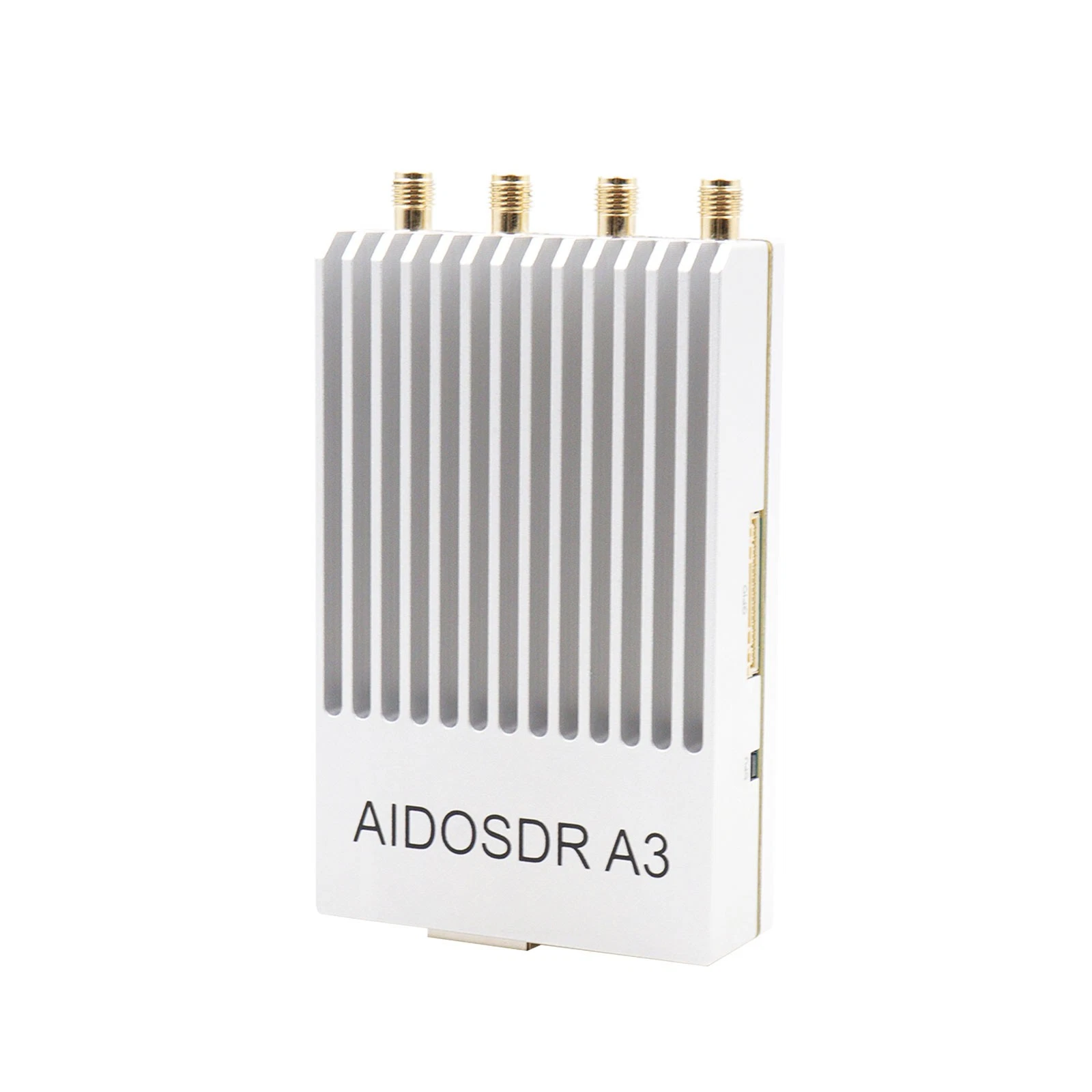
AIDOSDR A3 Zynq7020 + AD9363 2TX/2RX Open-Source-SDR-Entwicklungsboard für ADI Pluto
€41231 €49085

AIDOSDR A3 Zynq7020 + AD9363 2TX/2RX Open-Source-SDR-Entwicklungsboard für ADI Pluto
DSDR-PLTS-PD20YA
14 Days
Oder einlösen für42000 points
+ −
Add to wish list Compare Ask a question
Currently out of stock

This product is currently out of stock. A delivery estimate cannot be provided until stock is available.

Lieferung

Wir bieten kostenlosen Versand für Bestellungen über 415 EUR an. Kostenloser Versand gilt auch für Produkte mit dem Aufkleber „Kostenloser Versand“, selbst wenn der Bestellwert unter diesem Betrag liegt. Verfügbarkeit und Lieferzeiten können je nach Land variieren.

Zahlungsoptionen
Mastercard Visa IDeal Bancontact Banküberweisung
Entdecken und nutzen Sie verschiedene praktische Zahlungsmethoden auf der Checkout-Seite.
Unsere Vorteile
  • Bestellschutz: Wenn deine Bestellung verloren geht, garantieren wir einen Ersatz oder eine Rückerstattung. Es gelten die Bedingungen.
  • Einfache Rücksendungen: Genieße einen einfachen und unkomplizierten Rückgabeprozess.
  • Flexible Zahlungen: Wähle aus mehreren sicheren Zahlungsoptionen, die zu deinen Bedürfnissen passen.
  • Beste Preise: Erhalte den besten Wert für all unsere Produkte.
Beschreibung

Das AIDOSDR A3 ist ein Open-Source-Entwicklungsboard für Software Defined Radio (SDR), das auf einer leistungsstarken Kombination aus Zynq7020 SoC + AD9363 RF-Transceiver basiert und 2 Sende- und 2 Empfangskanäle in einem kompakten, integrierten Design bietet. Als High-End-Upgrade für SDRs der Pluto-Klasse positioniert, bietet es eine hervorragende HF-Leistung mit flacher TX-Reaktion, bis zu 70 dB RX-Verstärkung und einer Empfangsempfindlichkeit von besser als -110 dBm.

AIDOSDR A3 unterstützt die meisten gängigen SDR-Anwendungen, darunter SDR++, SDR#, IIO Oscilloscope, GNU Radio, Matlab, SDRangel und STASAGEN, wodurch es über ein starkes Ökosystem und eine große Community-Basis verfügt. Mit Python- und C++-Programmierschnittstellen und einsatzbereiten Demos können Sie auf der Zynq7020 + AD9363-Plattform schnell benutzerdefinierte Wellenformen, Signalverarbeitungs-Pipelines und drahtlose Anwendungen erstellen.

Wichtigste Merkmale

  • Basisband: Xilinx Zynq7020 SoC für FPGA + ARM-Verarbeitung
  • HF-Frontend: Agiler Transceiver AD9363 mit 2 TX- und 2 RX-Kanälen (2T2R)
  • RX-Leistung: Bis zu 70 dB Empfangsverstärkung, Empfindlichkeit besser als -110 dBm (typisch)
  • Referenzuhr: Hochstabiler VCTCXO für RF-Leistung mit geringem Jitter
  • Ökosystem: Kompatibel mit SDR++, SDR#, IIO-Oszilloskop, GNU Radio, Matlab, SDRangel, STASAGEN
  • APIs: Python- und C++-Schnittstellen mit Demo-Projekten für eine schnellere Anwendungsentwicklung

Mechanisches und thermisches Design

  • Gehäuse: Integriertes Gehäuse aus Aluminiumlegierung zum Schutz und zur Reduzierung von EMI
  • Wärmemanagement: Silikonpads mit hoher Wärmeleitfähigkeit verbinden heiße Komponenten mit dem Gehäuse für eine effiziente Wärmeableitung und einen stabilen Langzeitbetrieb
  • Formfaktor: Kompaktes, robustes Design, geeignet für den Einsatz auf dem Labortisch und für eingebettete Anwendungen

Software und Entwicklung

  • Unterstützte Software: SDR++, SDR#, IIO-Oszilloskop, GNU Radio, Matlab/Simulink, SDRangel, STASAGEN
  • Programmierung: Python- und C++-SDK-Unterstützung für benutzerdefinierte Steuerung und Signalverarbeitung
  • Anwendungsfälle: Openwifi/Open5G-Experimente, digitale Kommunikation, Spektrumanalyse, Bildung und Forschung

Lieferumfang

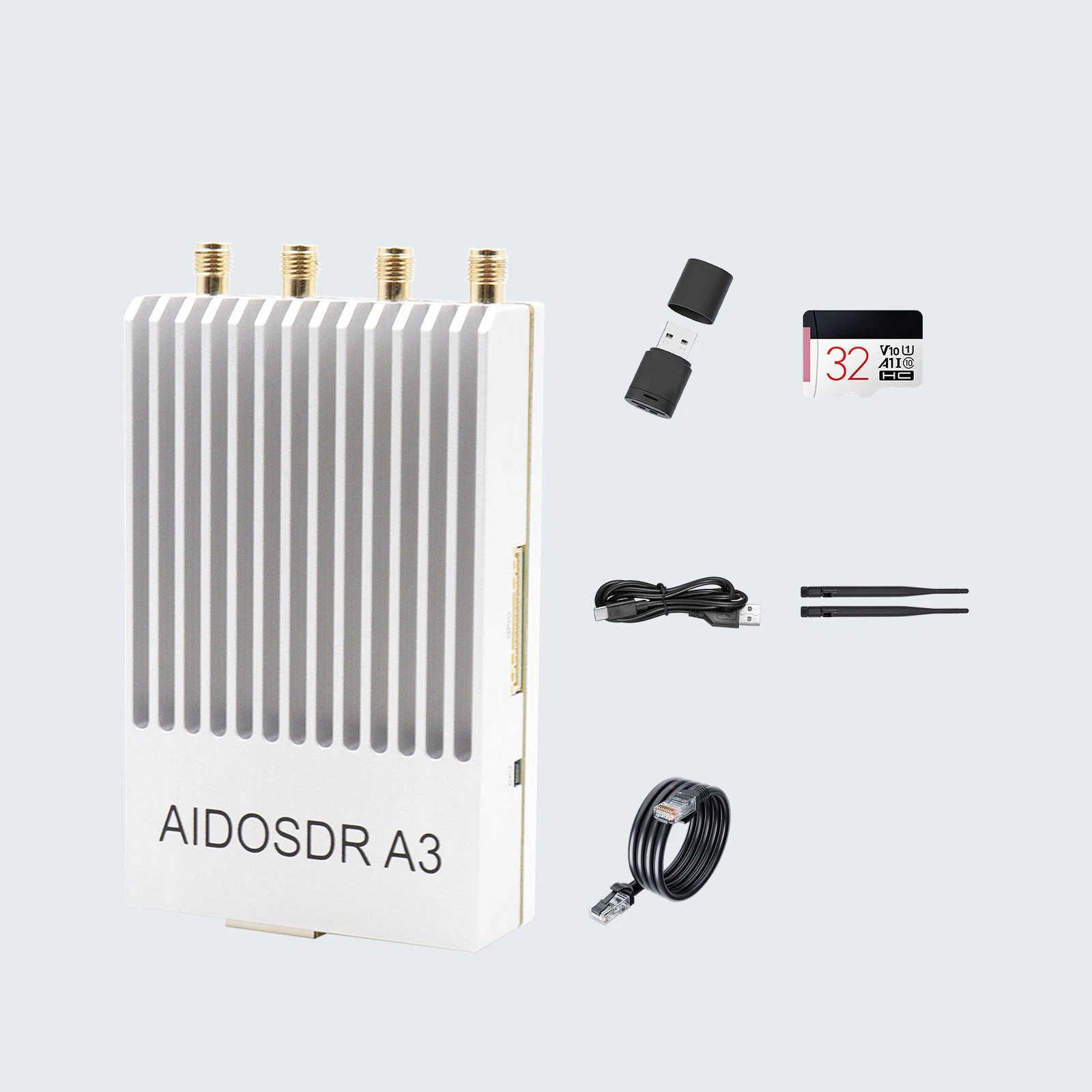
  • 1 × AIDOSDR A3 SDR-Entwicklungsboard (Zynq7020 + AD9363, 2TX/2RX)
  • 2 × USB-Datenkabel
  • 1 × Kartenlesegerät
  • 1 × 32 GB SD-Karte
  • 1 × Netzwerkkabel
  • 2 × kurze Gummi-Stabantennen

Mit seiner Kombination aus Zynq7020-Prozessor, AD9363-HF-Frontend, robustem Aluminiumgehäuse und umfangreicher Softwareunterstützung ist das AIDOSDR A3 eine hervorragende Plattform für SDR-Entwickler, Forscher und fortgeschrittene Hobbyisten, die eine offene, skalierbare Alternative zu Geräten der ADALM-Pluto-Klasse suchen.

Produktfragen
Ask question
Max
06/12/2026, 00:01
Hello, I have a few questions 1. Boot method: does the board boot from the included microSD card, or is the SD card only used for storage? I'd like to be able to flash firmware images to the card and recover by simply reflashing it. 2. Firmware: does it ship with the AD9363 already "unlocked" (extended tuning toward ~70 MHz–6 GHz, AD9364-style), or do I unlock it myself? If self-unlock, do you have a short guide? 3. Exact parts: can you confirm the FPGA part number (XC7Z020-CLG400?) and the AD9363 marking (ABCZ or BBCZ)? 4. Recovery: do you provide a factory SD image / firmware download and the matching device tree, in case I need to restore the board to stock? 5. Dev compatibility: is the board compatible with PlutoSDR firmware and FPGA development via the ADI HDL reference designs / openwifi-style projects? 6. Is there any technical sheet i can take a look at?
SDRstore Support
07/15/2026, 18:46
Hello, Thank you for your detailed questions. Please see the answers below: Boot method: The board includes both onboard QSPI flash and a microSD card slot, and both can be used as boot sources. The supplied 32 GB microSD card contains PlutoSDR-compatible firmware. This means you can use the SD card for firmware testing and recovery without immediately overwriting the onboard flash. AD9363 frequency extension: The supplied firmware is configured for operation across approximately 70 MHz to 6 GHz and supports both transmit and receive channels. You should therefore not need to perform the standard ADALM-Pluto AD9363-to-AD9364 software modification yourself for normal use. Main components: The current manufacturer specification lists: FPGA/SoC: Xilinx XC7Z020-2CLG400I RF transceiver: AD9363BBCZ DDR3 memory: 1 GB QSPI flash: 16 MB If the exact physical chip marking is essential for your project, please contact us before ordering so that we can confirm the production batch. Recovery firmware: Factory firmware and recovery resources are available from the supplier and can be provided after purchase. The supplied SD card already contains compatible firmware. Availability of a separate, fully documented device-tree source package may depend on the firmware release, so please contact us with your order number if you require these development files. Development compatibility: The board is compatible with the PlutoSDR/libiio software ecosystem and can be used with applications such as GNU Radio, IIO Oscilloscope, SDR++, SDR#, MATLAB and SDRangel. However, it is not an official Analog Devices ADALM-Pluto board. ADI HDL reference projects, custom FPGA images and OpenWiFi-style projects may require modifications to the device tree, FPGA constraints, clock configuration and board-specific interfaces. They should not be considered completely drop-in without adaptation. Technical documentation: At present, we do not have a complete public datasheet comparable to the official Analog Devices documentation. We can provide the available firmware resources, specifications and supplier development materials after purchase. Please note that this board is mainly intended for experienced SDR and FPGA developers who are comfortable adapting PlutoSDR-compatible firmware to custom Zynq hardware. Best regards, The SDRstore Team
Bewertungen

No reviews found

You may be interested
  • Similar products
  • Most Popular
  • On Sale
  • Recently Viewed
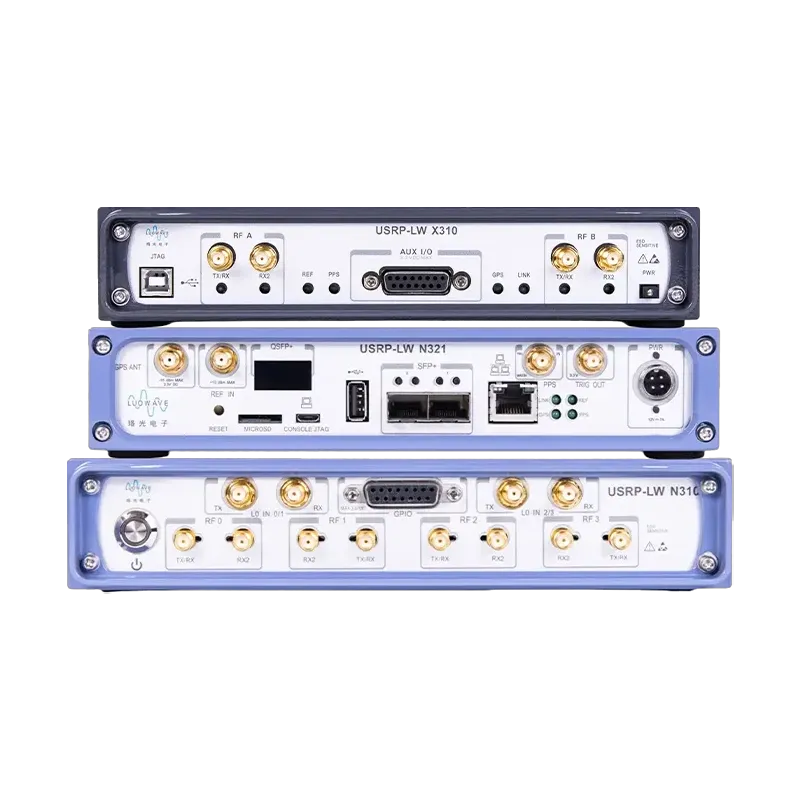
USRP-Geräte
Finde dein USRP noch heute.
Jetzt einkaufen.
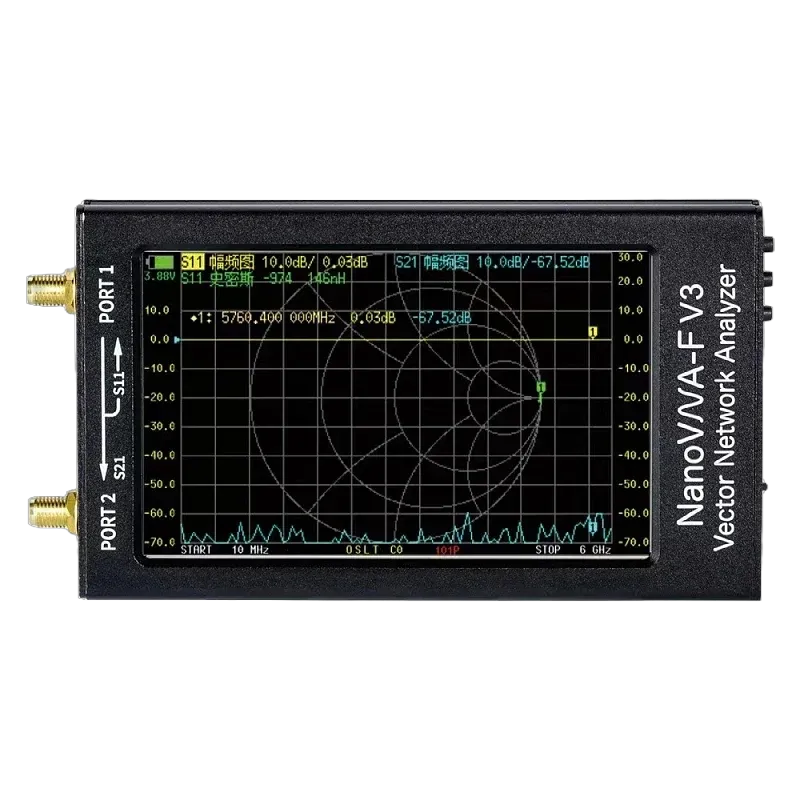
NanoVNA-FV3
Best Value Analyzer.
Start analyzing with confidence.
Buy
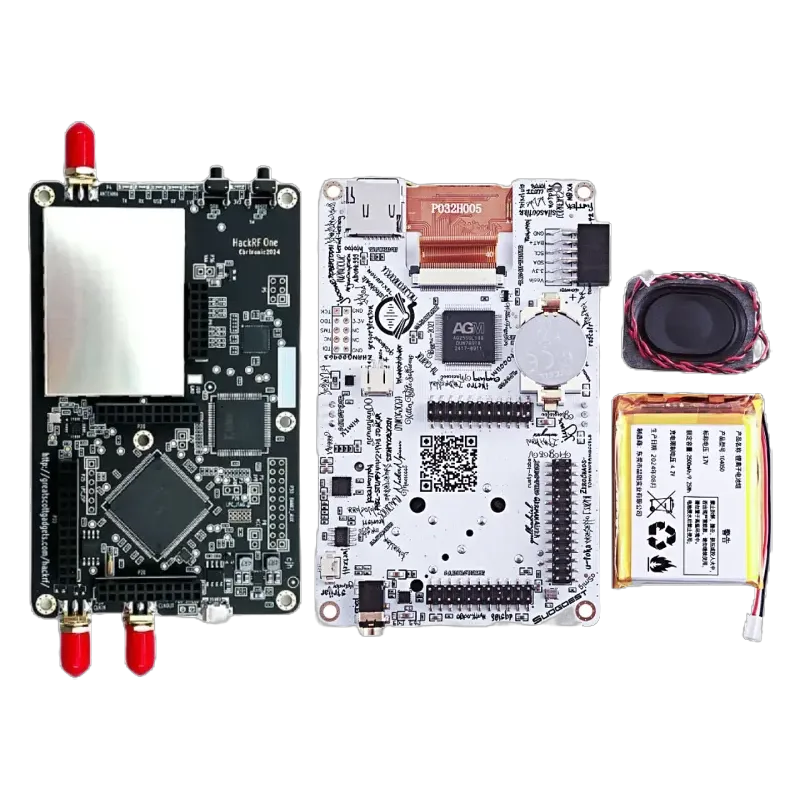
HackRF H4MClifford Edition
Compact. Capable.
Clifford delivers more.
Buy
Fast and high quality delivery

We deliver products internationally.

Quality assurance and service

We offer only those goods, in which quality we are sure

Returns within 14 days

You have 14 days to test your purchase