





SDRstore.eu Blog | SDR, Electronics & Tech Guides
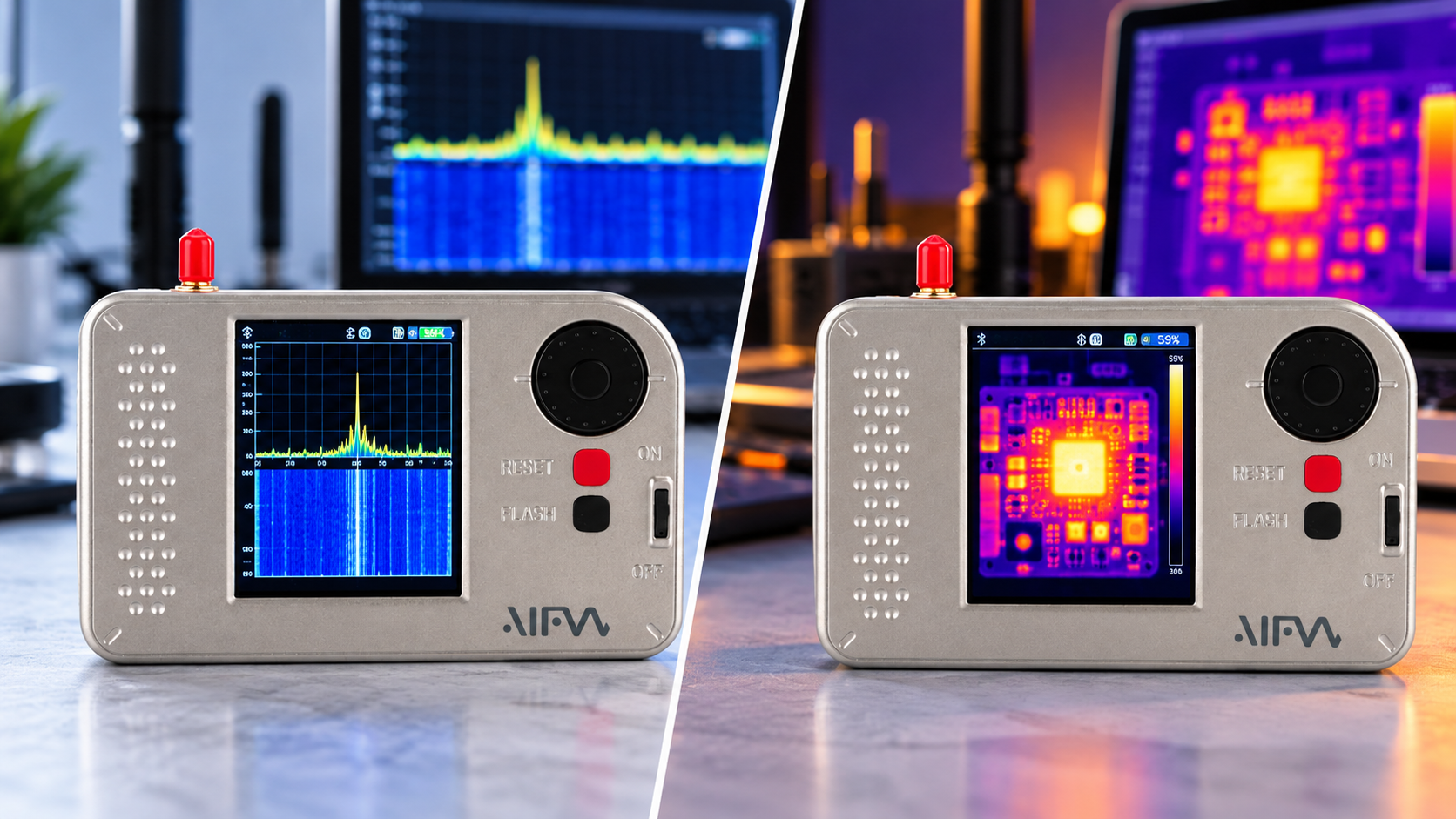

AIFW WaveSentry vs WaveSentry Pro: Is Thermal Imaging Worth Paying For?
Choose AIFW WaveSentry for Wi-Fi and Bluetooth observation plus AM/FM reception. Choose WaveSentry Pro if you also want thermal visualization in the same handheld and expect to use it regularly. Thermal imaging is the documented hardware difference,...
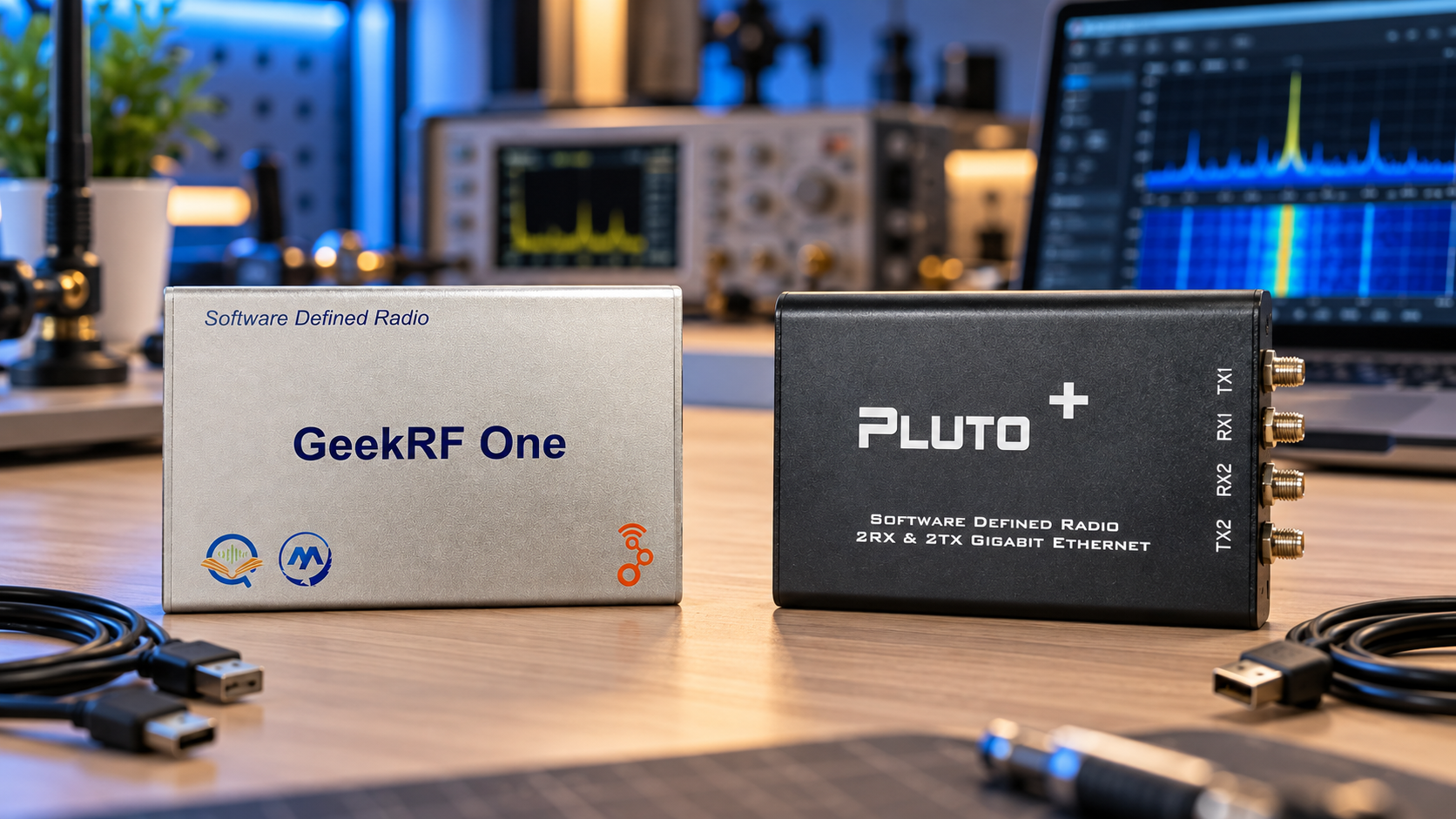
GeekRF One vs PLUTO+: Which Ethernet SDR Should You Buy?
Choose PLUTO+ for Ethernet-connected Pluto-style experiments when its documented firmware and hardware fit your project. Choose GeekRF One when you specifically need the larger Zynq-7020 FPGA and can obtain the development files for the supplied...
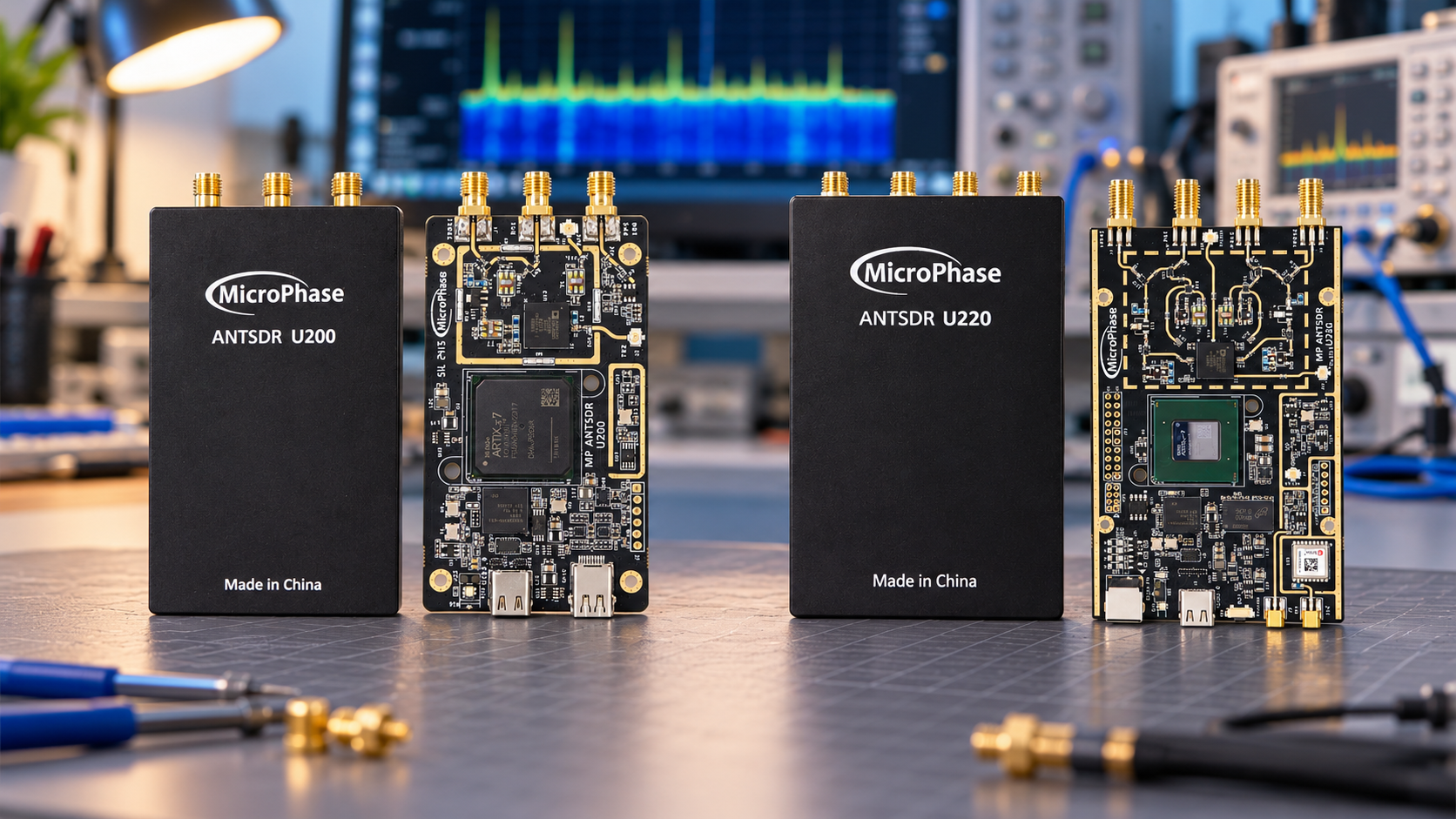
MicroPhase ANTSDR U200 vs U220: Which USB SDR Fits Your Project?
Choose the ANTSDR U200 for projects needing one transmit and one receive channel within its documented 325 MHz–3.8 GHz range and up to 20 MHz analog bandwidth. Choose the ANTSDR U220 when you need two transmit and two receive channels. For wider tuning...
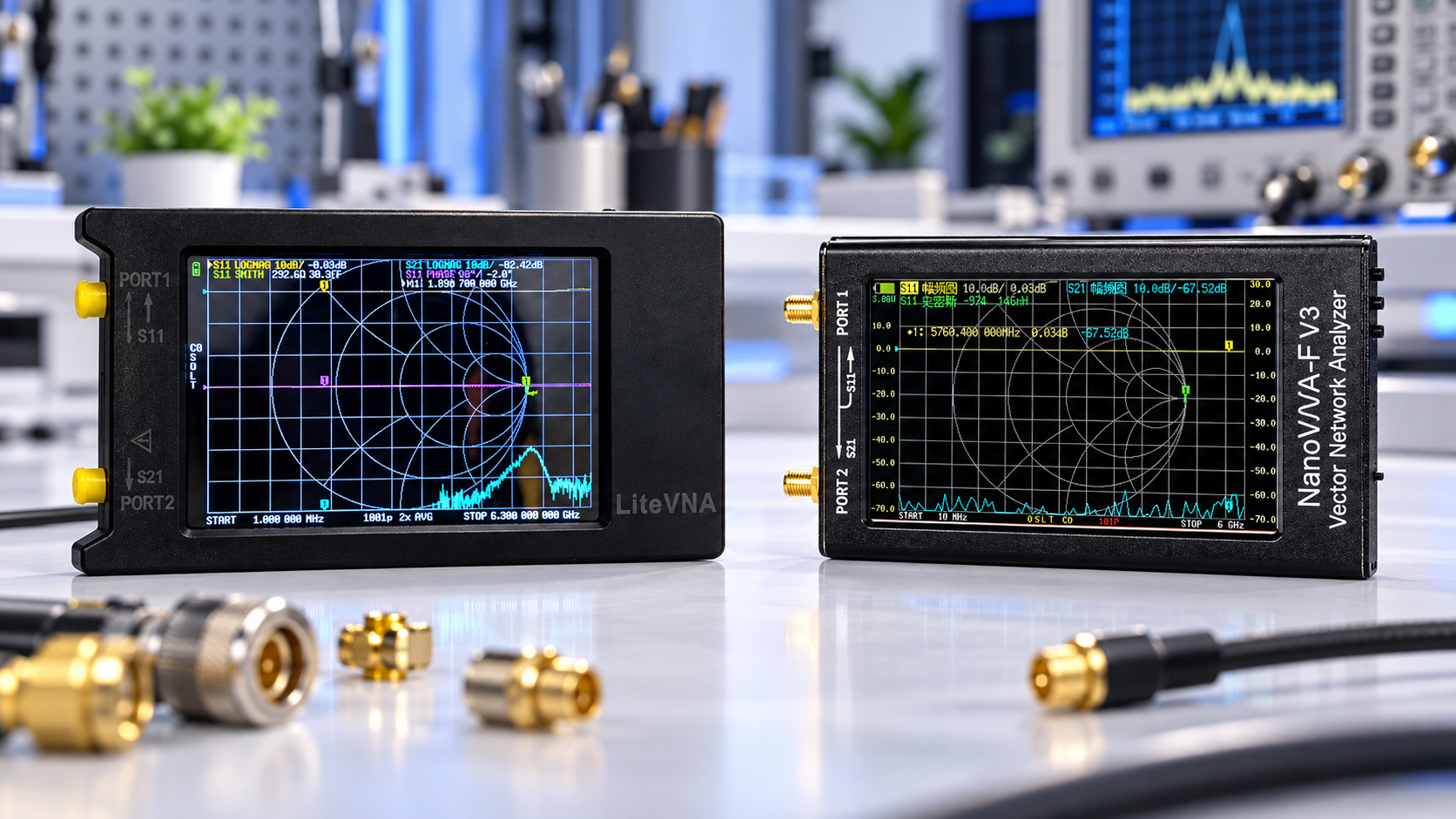
NanoVNA-F V3 vs LiteVNA-64: Which Portable VNA Should You Buy?
Choose NanoVNA-F V3 if you value a larger, higher-resolution display; choose LiteVNA-64 if you need measurements below 1 MHz, coverage up to 6.3 GHz or MicroSD recording. Both portable vector network analyzers (VNAs) can test antenna matching and...
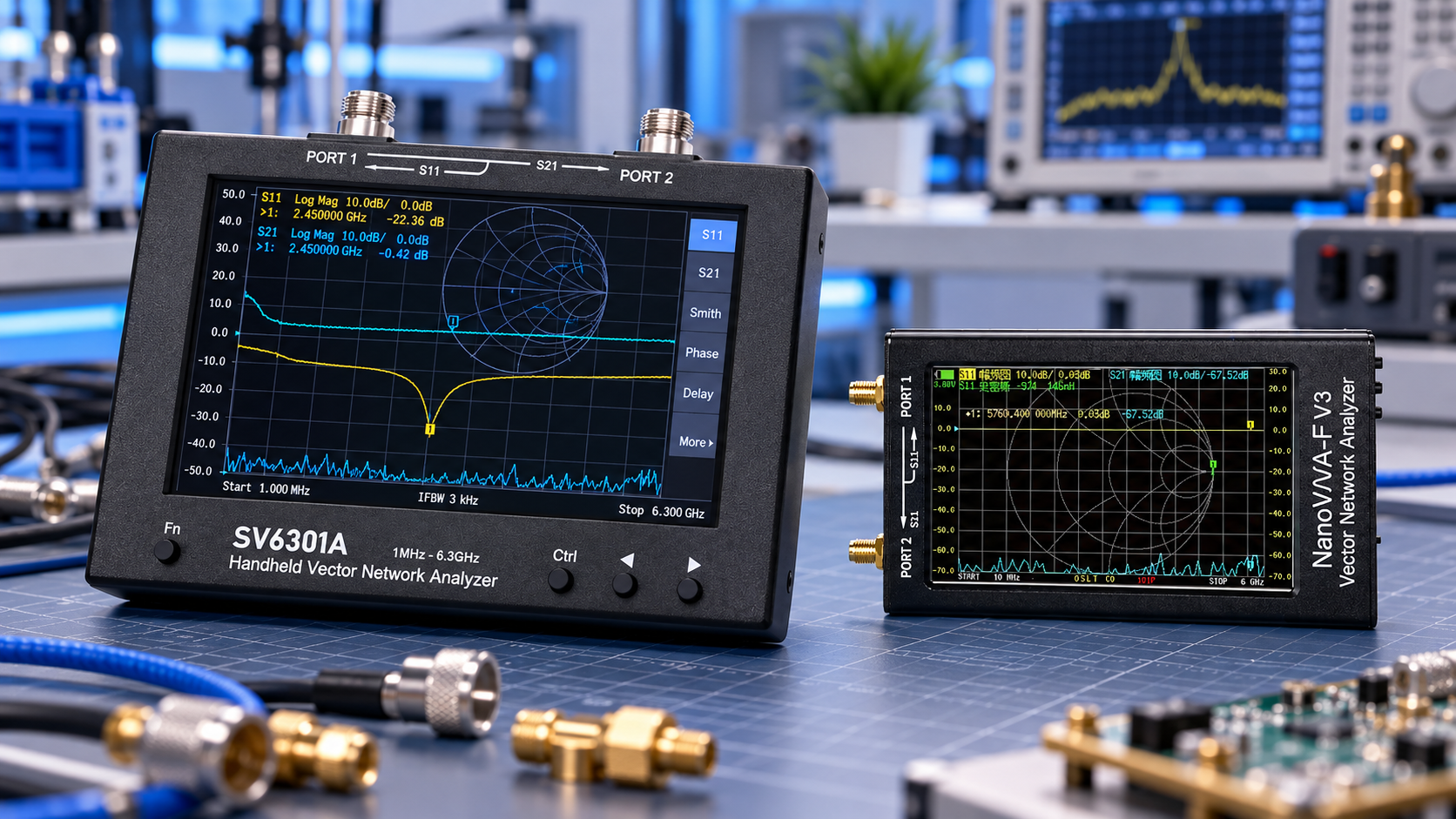
SV6301A vs NanoVNA-F V3: Is the Larger VNA Worth the Extra Cost?
SV6301A is worth considering when frequent RF measurements justify a larger screen, faster specified sweeps, adjustable measurement bandwidth and built-in recording. NanoVNA-F V3 is the more economical choice for occasional antenna, cable and filter...
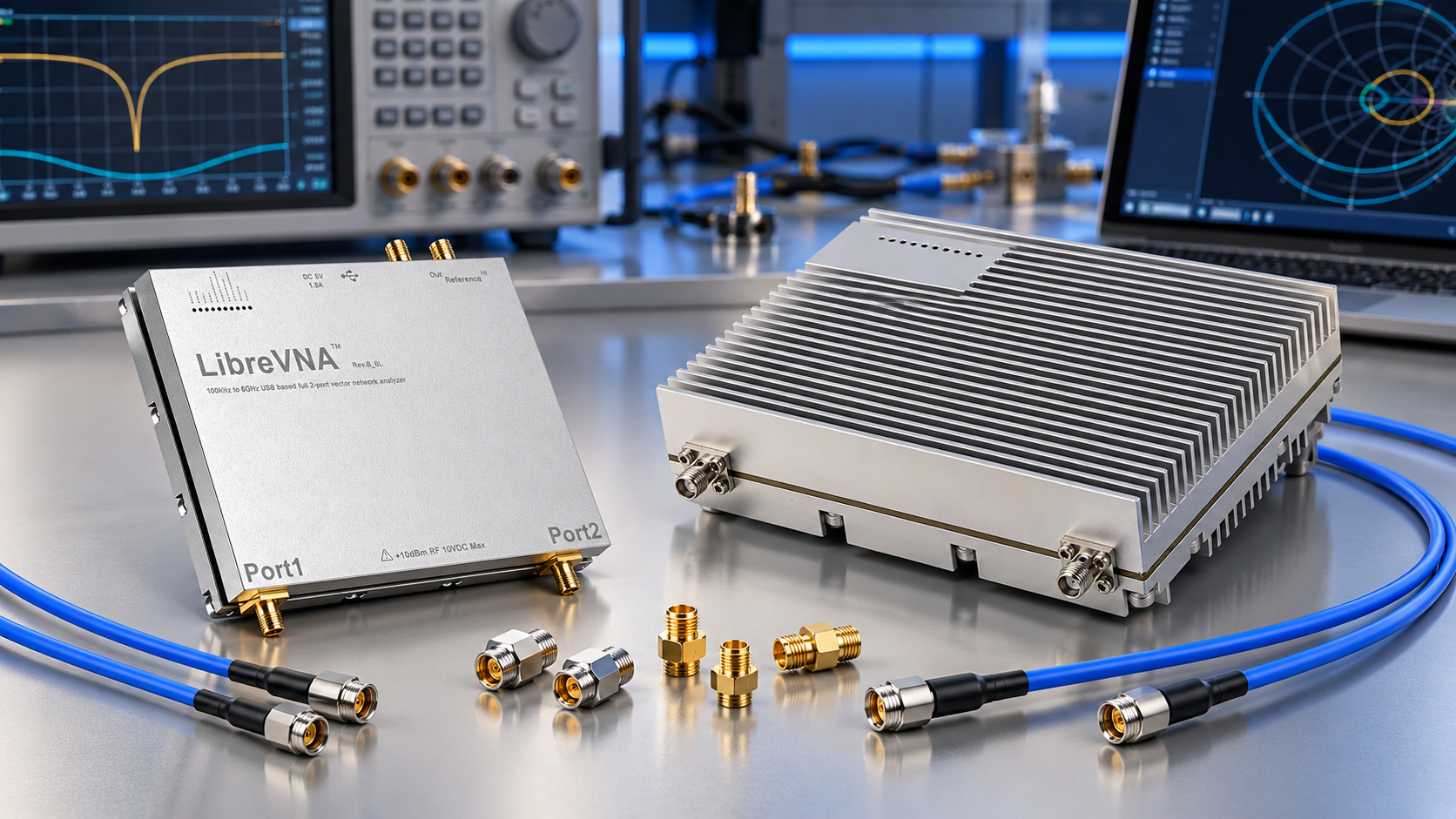
LibreVNA vs LibreVNA 2.0: Which Version Is Worth Buying?
Choose the lower-priced LibreVNA when its confirmed hardware revision, software compatibility and measurement performance meet your needs. Pay more for a product called LibreVNA 2.0 only when its specific hardware changes or included accessories justify...
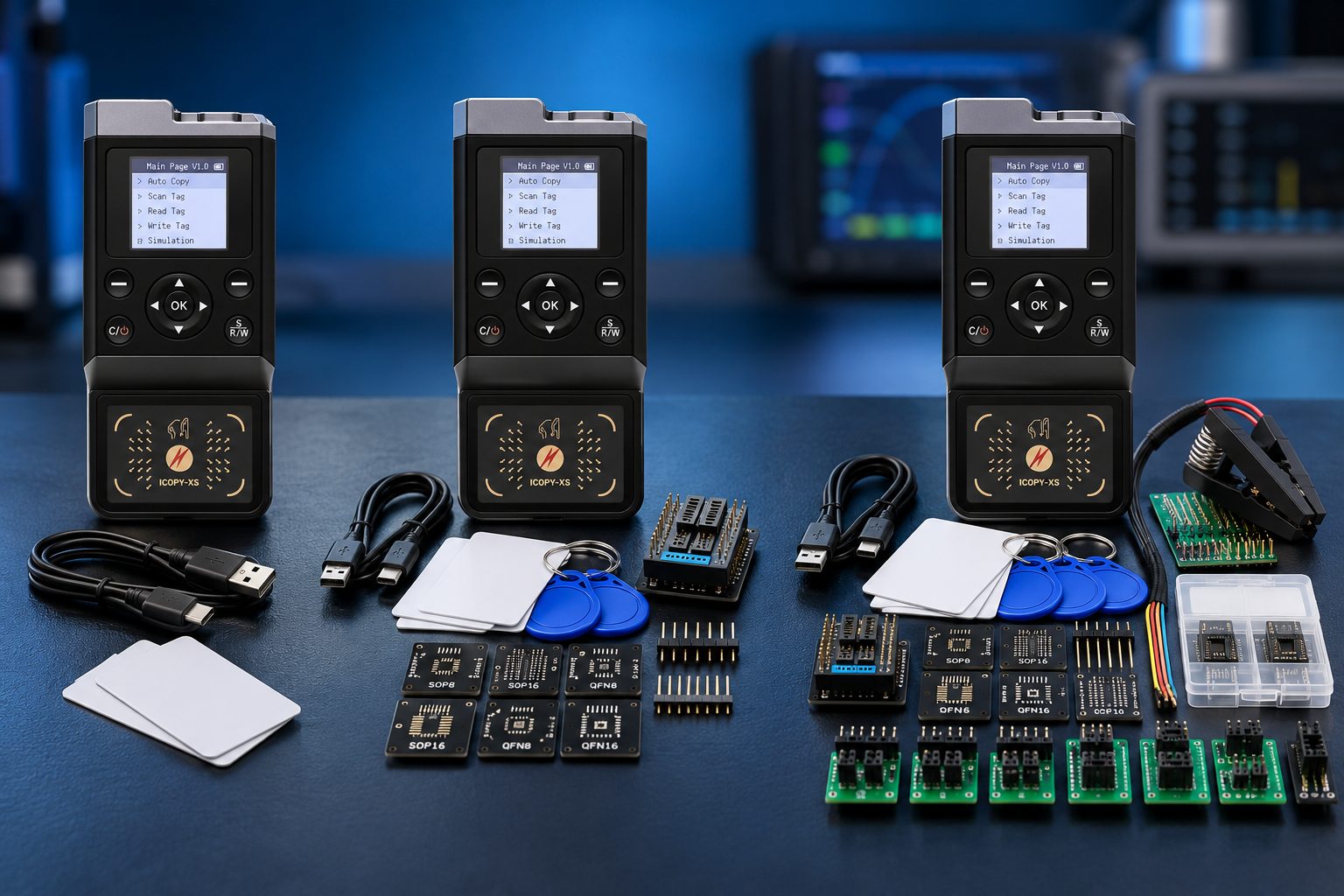
iCopy-XS Basic vs Intermediate vs Advanced: Which Package Do You Need?
Choose iCopy-XS Basic for common MIFARE 1K 4-byte UID and supported low-frequency credential work. Choose Intermediate when you need a wider selection of MIFARE, Ultralight and NTAG-compatible blanks. Choose Advanced when your work also requires...
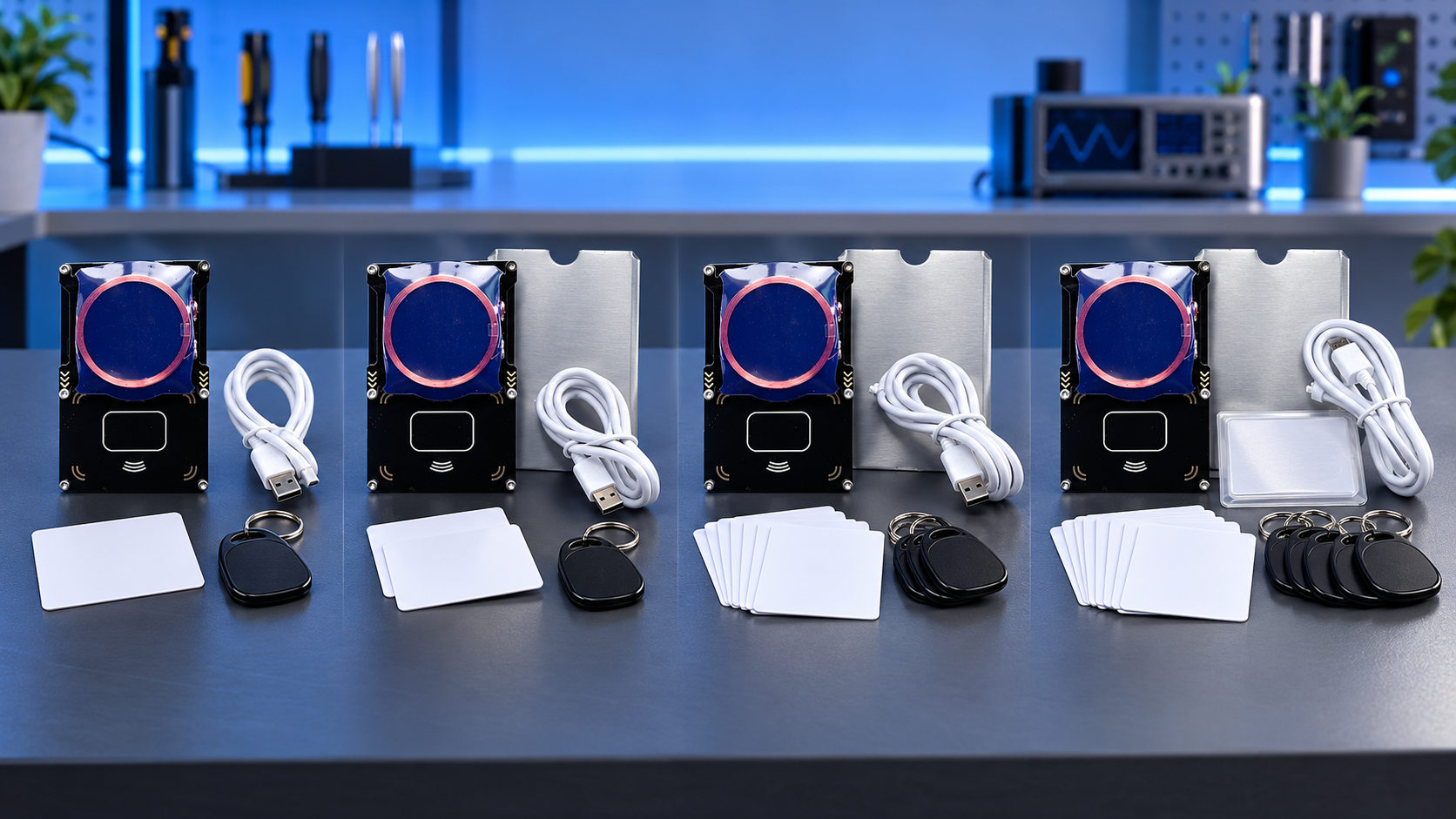
Proxmark3 Bundles 1–4 Compared: What Is Included and Which Should You Buy?
Choose Proxmark3 Bundle 1 for the lowest-cost starting point, Bundle 2 for a CUID-labelled card and fob, Bundle 3 for a mixed UID/CUID pair, or Bundle 4 for the widest range of pictured test media. SDRstore’s listing images identify the same Proxmark3...
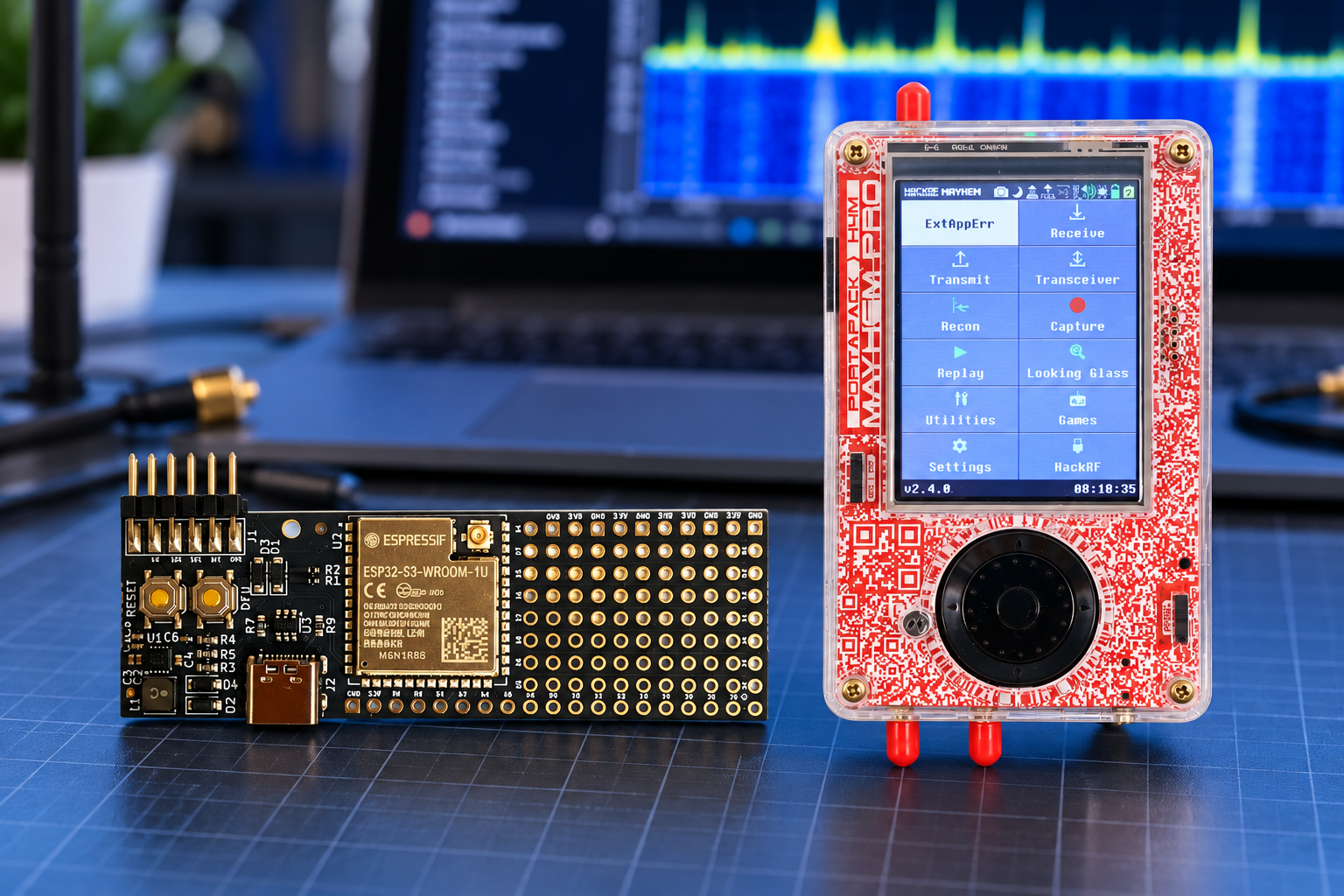
PortaPack H4M ESP32 MDK Extension: Compatibility and Is It Worth Buying?
The PortaPack H4M ESP32 MDK is worth buying if you want to develop external-module applications or connect your H4M to custom electronics. It is intended for a compatible H4M-based setup and adds an ESP32-S3 development platform. Buy it for a defined...
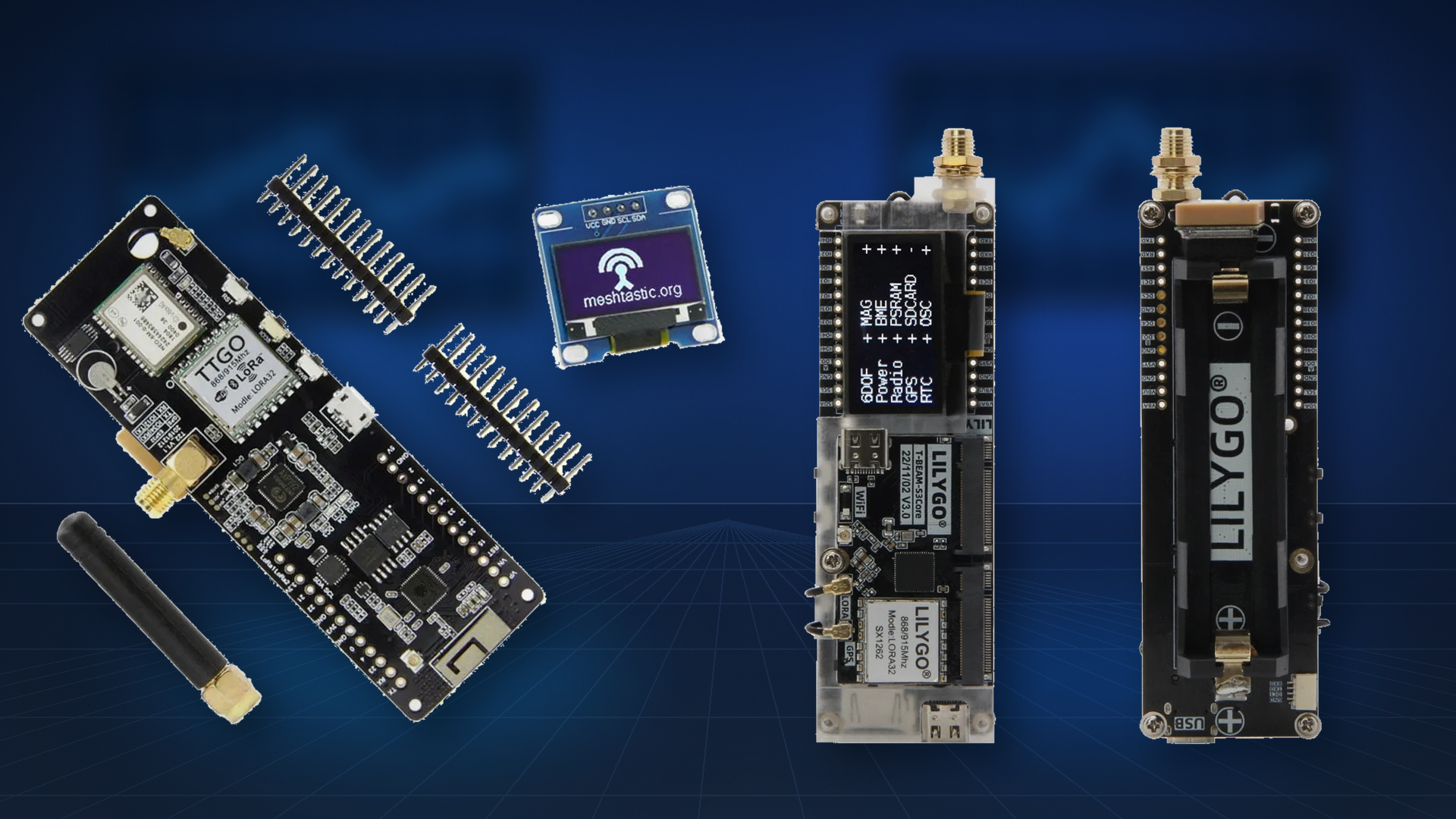
LILYGO T-Beam V1.2 vs T-Beam Supreme: Which Meshtastic Board Should You Buy?
Choose T-Beam Supreme for a new Meshtastic build when you want the SX1262 radio, modern GNSS options, a larger OLED and USB-C. Choose T-Beam V1.2 when its lower price and available frequency variant suit your project, or when you want to keep using an...

USRP B200mini-i vs B205mini-i vs B210: Which USB SDR Should You Buy?
If you only need one transmit and one receive channel, the USRP B200mini-i is usually the simplest choice; choose the B205mini-i when you need the same 1×1 RF architecture with substantially more FPGA resources. Choose the B210 when your project genuinely...

USRP N310 vs N321: More RF Channels or More Bandwidth?
The USRP N310 is usually the better choice when you need four synchronized transmit and receive channels , while the USRP N321 is designed for applications that need up to 200 MHz of instantaneous bandwidth per channel and stronger multi-radio...
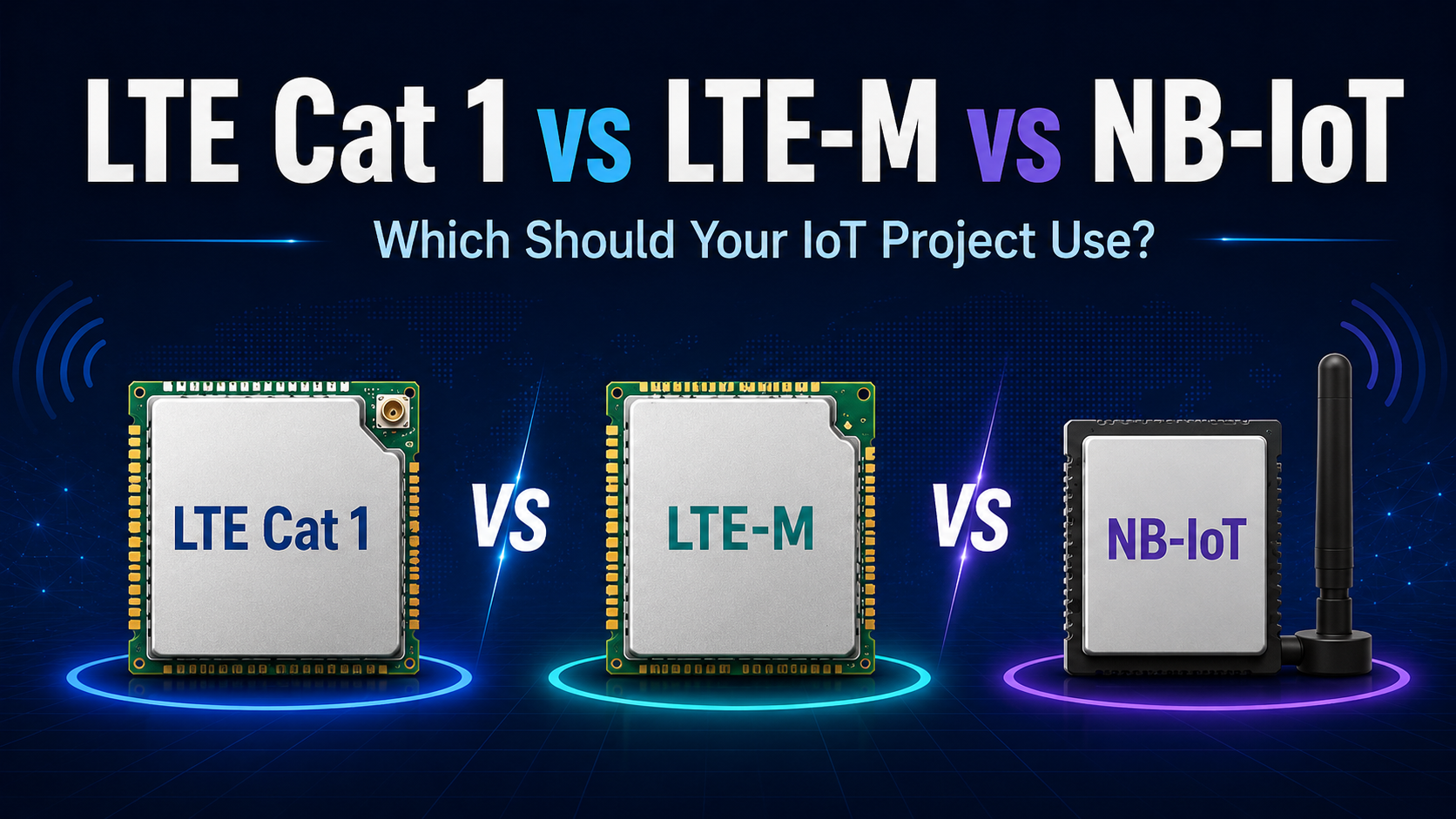
LTE Cat 1 vs LTE-M vs NB-IoT: Which Should Your IoT Project Use?
Choosing cellular connectivity for an IoT device is no longer as simple as selecting “4G.”
A product designer can choose between LTE Cat 1, LTE Cat 1 bis, LTE-M and NB-IoT , and all four can connect an IoT device to a cellular network. However, they...
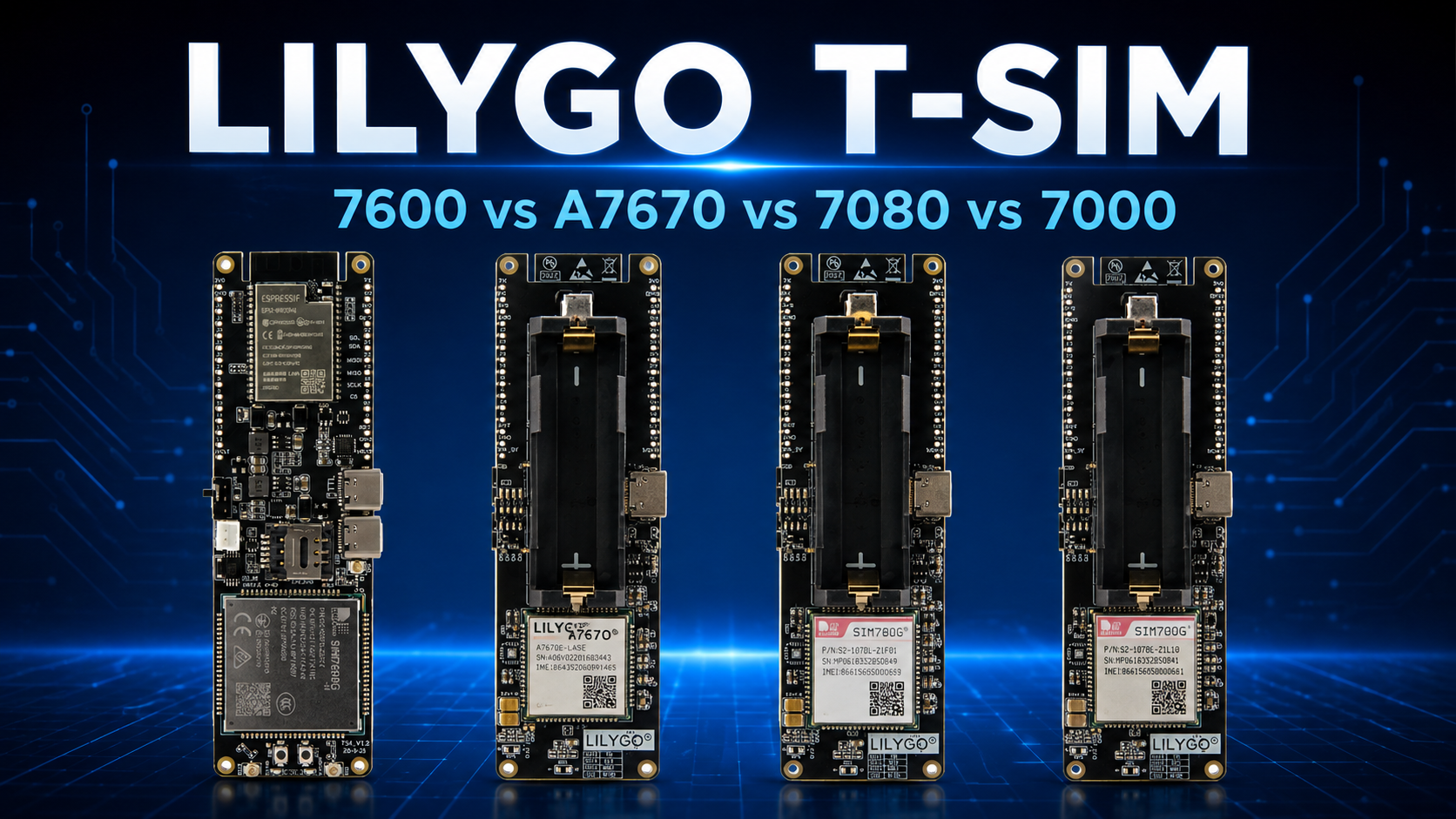
LILYGO T-SIM7600 vs T-A7670 vs T-SIM7080 vs T-SIM7000
LILYGO offers several ESP32 cellular development boards that can look extremely similar in product listings but target very different IoT applications.
The T-SIM7600, T-A7670, T-SIM7080 and T-SIM7000 all combine an ESP32-family microcontroller with...
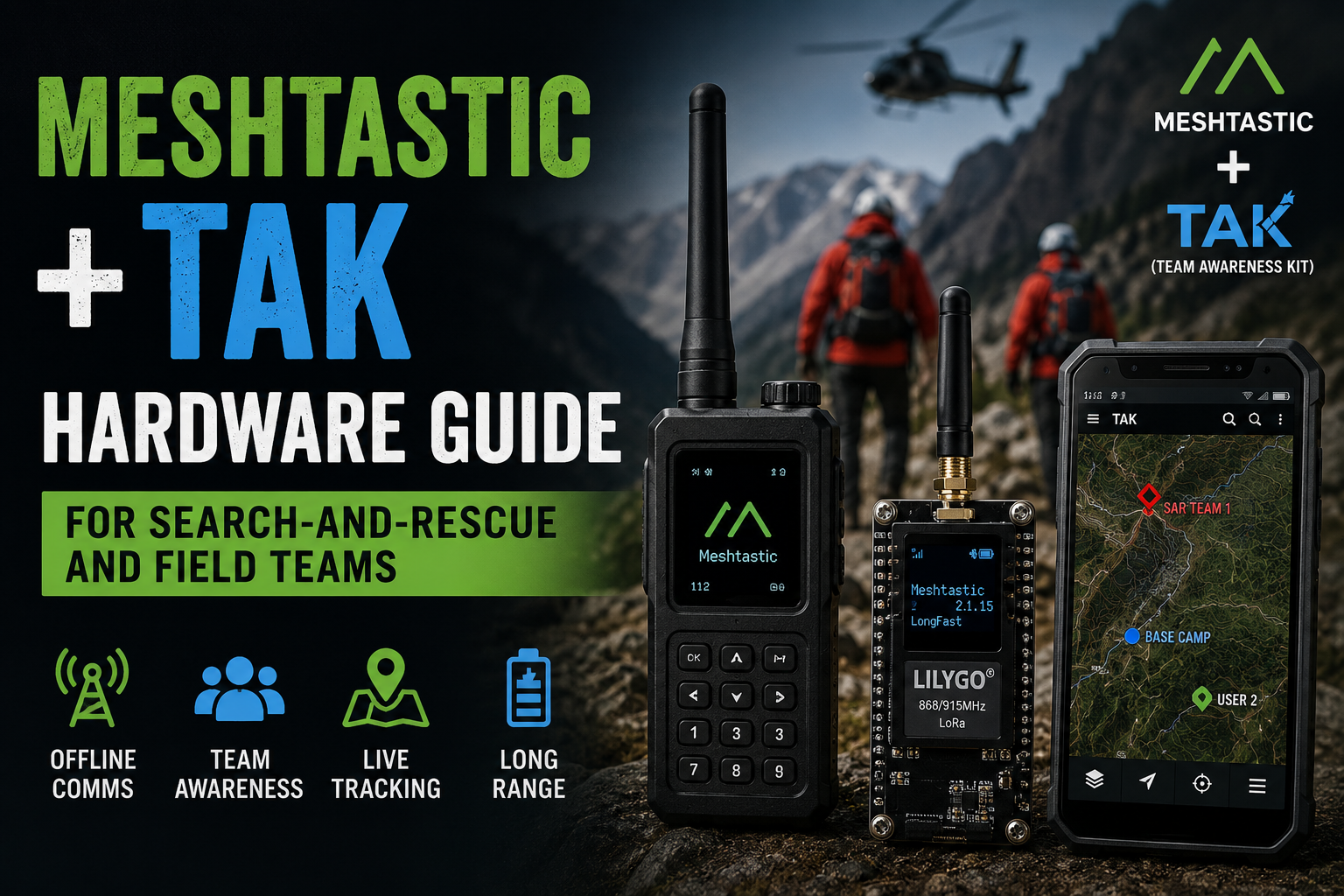
Meshtastic + TAK Hardware Guide for Search-and-Rescue and Field Teams
Search-and-rescue teams need two things that are difficult to maintain once cellular coverage disappears: communication and shared situational awareness .
Meshtastic and the Team Awareness Kit solve different parts of that problem.
Meshtastic...
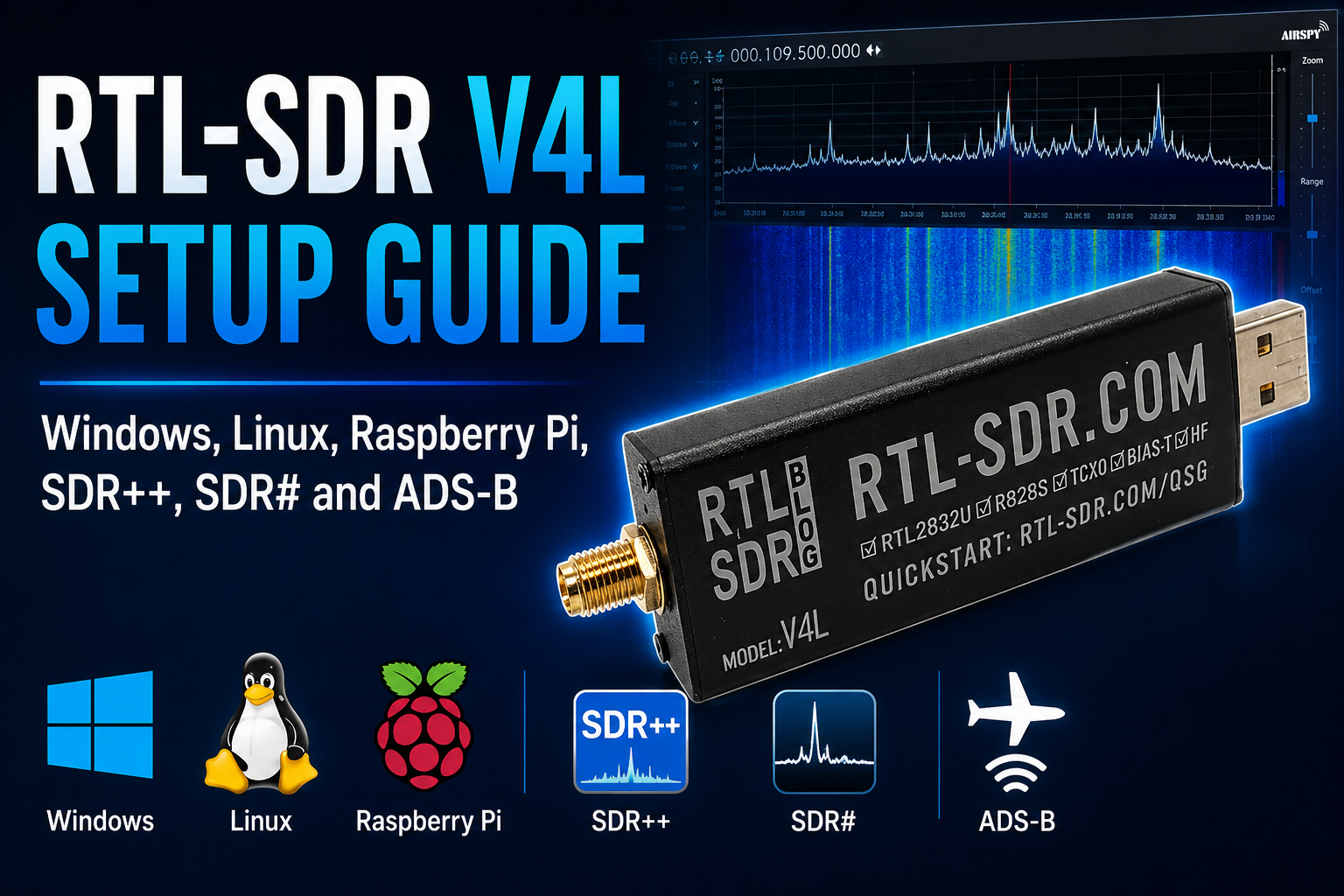
RTL-SDR V4L Setup Guide: Windows, Linux, Raspberry Pi, SDR++, SDR# and ADS-B
The RTL-SDR Blog V4L , also called the RTL-SDR V4 Lite, is now available—and setting it up correctly is slightly different from setting up a generic RTL-SDR, V3 or even the original V4.
The reason is the new Rafael Micro R828S tuner . RTL-SDR Blog...
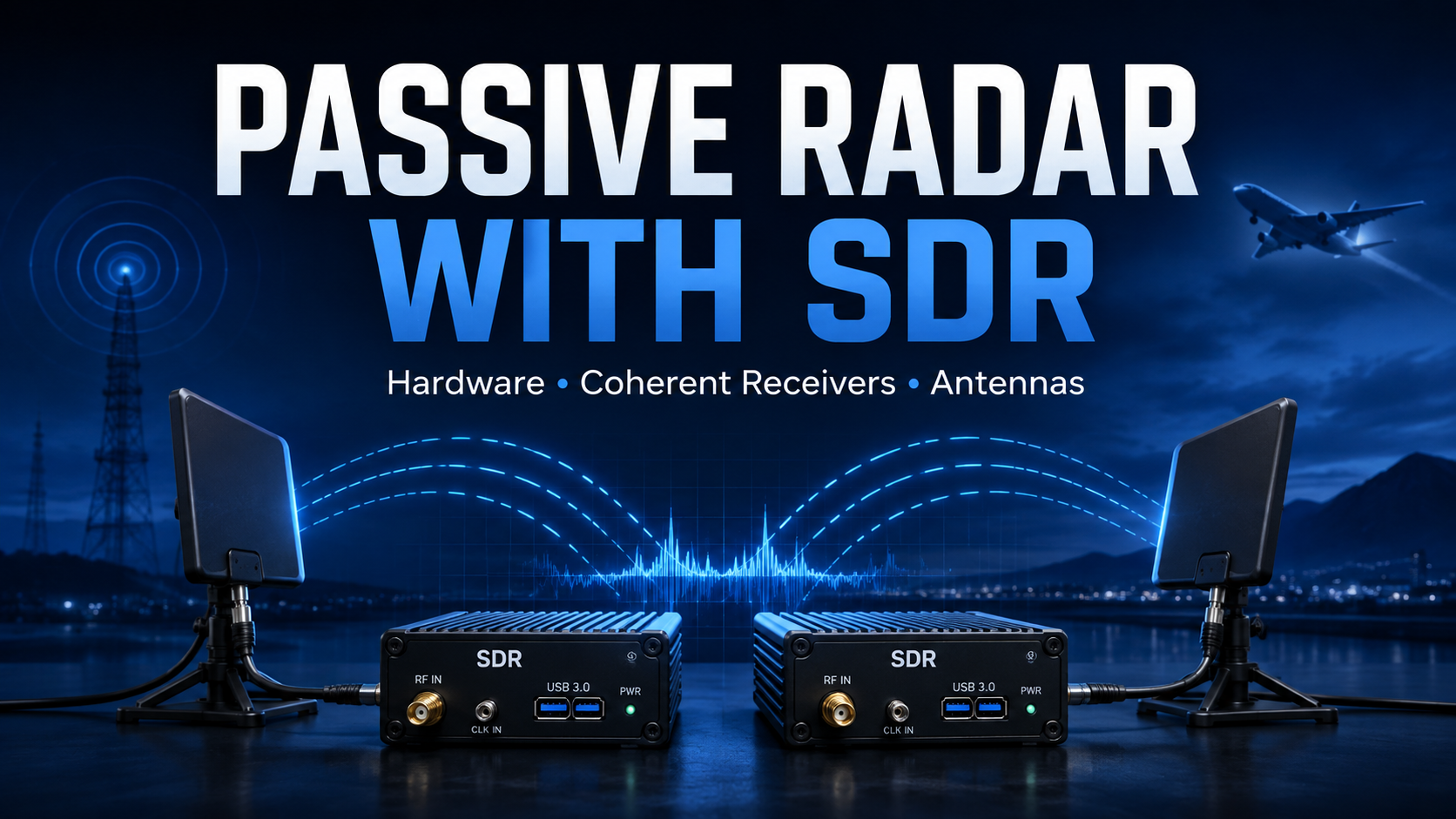
Passive Radar with SDR: Hardware, Coherent Receivers, Antennas, and Real-World Research
Radar normally brings to mind a transmitter sending powerful RF pulses and then listening for reflections.
Passive radar works differently.
Instead of transmitting its own waveform, a passive radar receiver listens to radio signals that already...
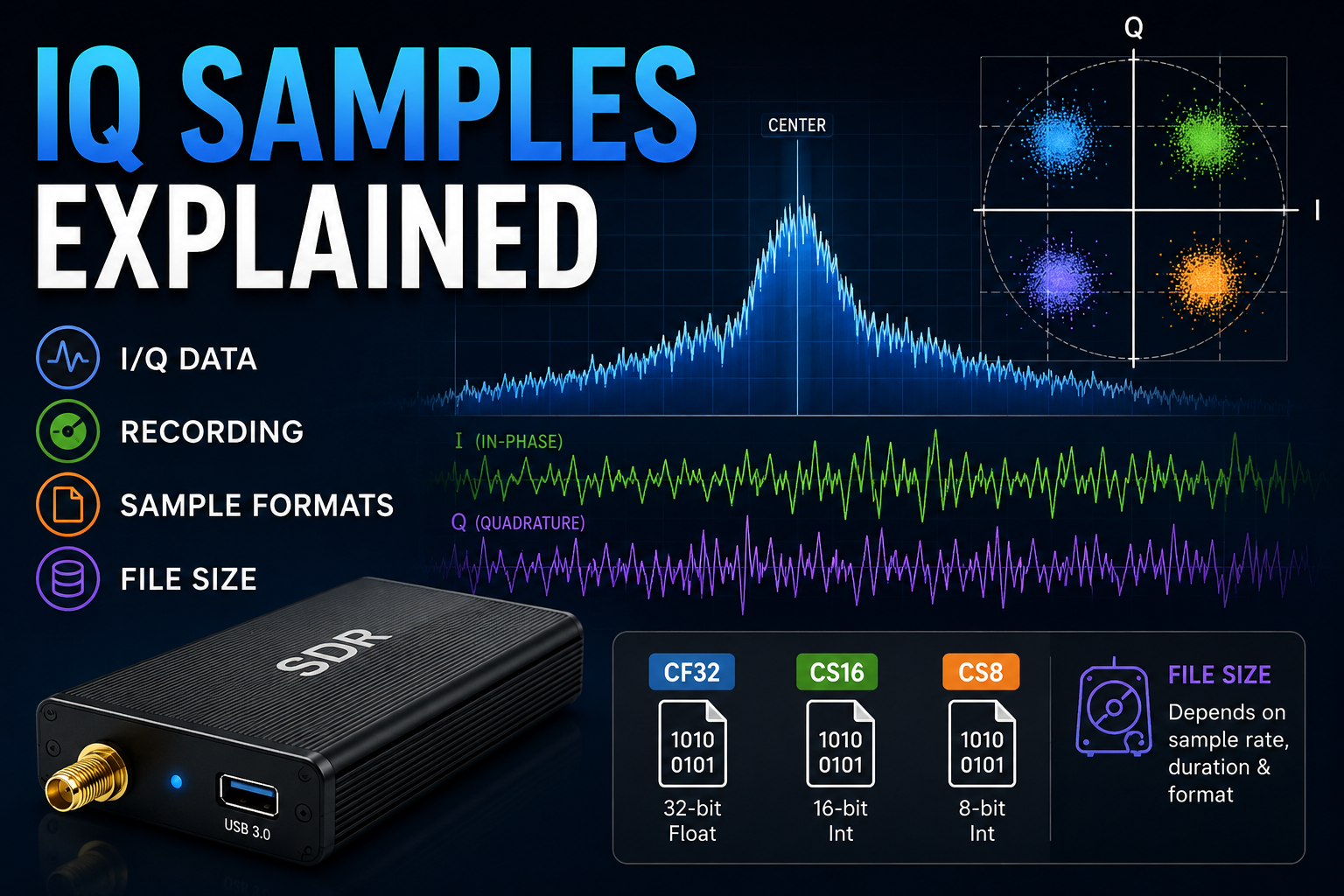
IQ Samples Explained: I/Q Data, Recording, Sample Formats, and File Size
When an SDR records radio spectrum, it normally does not save an MP3, WAV audio track or a list of frequencies.
It records I/Q samples .
Those samples are the digital representation of the radio-frequency signal inside the bandwidth currently...
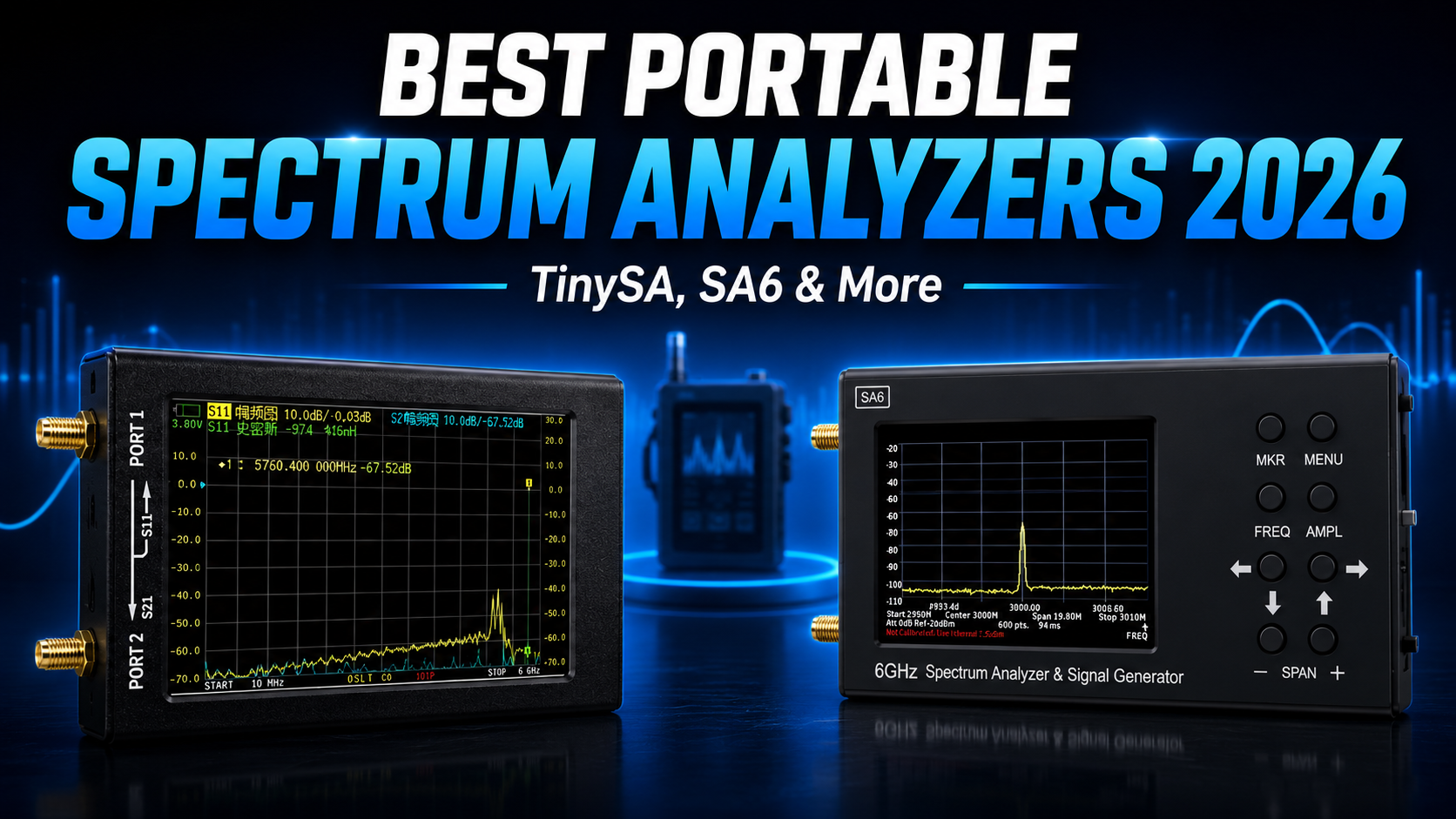
Best Portable Spectrum Analyzer in 2026: TinySA, SA6, SA8, and Other Options
A spectrum analyzer used to mean a large laboratory instrument costing thousands or tens of thousands of euros. In 2026, RF engineers, amateur-radio operators, SDR users, field technicians and university students have far more portable options....
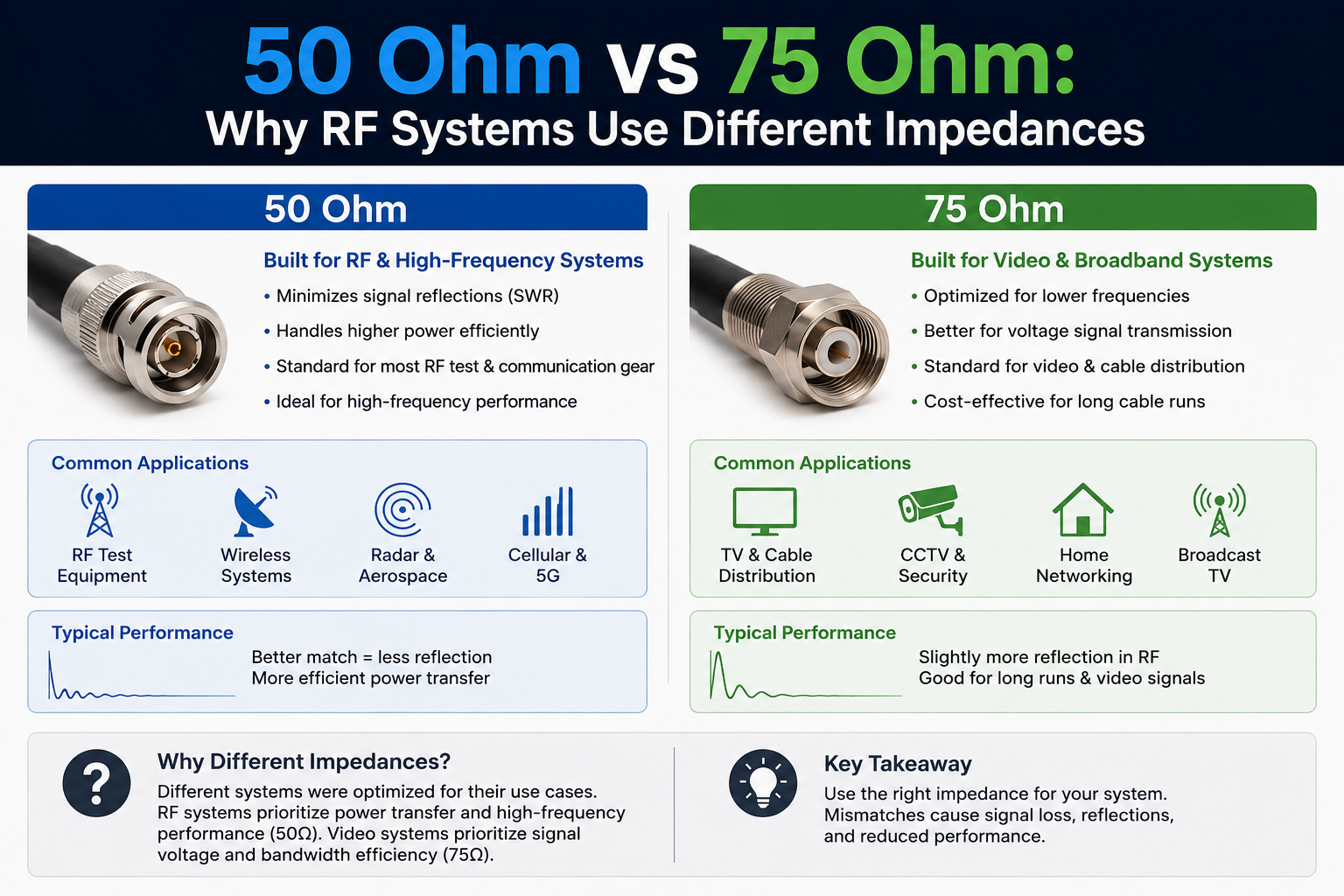
50 Ohm vs 75 Ohm: Why RF Systems Use Different Impedances
Why do SDRs, antennas, RF amplifiers and laboratory instruments usually use 50 ohms, while television, CATV and professional video systems often use 75 ohms?
The answer is not that one impedance is universally better. 50 Ω and 75 Ω were optimized...






We support all major card and digital payment options. More local methods are available and shown during checkout.
You enter into a binding sales contract once you have received an 'order confirmation and sales receipt' email from us, in line with our Sales & Delivery conditions. Therefore, sdrstore.eu has the right to cancel your order in the event of technical problems, delivery failure, Fair use policy and other similar situations.






Your payments are protected by advanced encryption and 3-D Secure authentication for safe online shopping.