



09/09/2026
USRP B200mini-i vs B205mini-i vs B210: Which USB SDR Should You Buy?
If you only need one transmit and one receive channel, the USRP B200mini-i is usually the simplest choice; choose the B205mini-i when you need the same 1×1 RF architecture with substantially more FPGA resources. Choose the B210 when your project genuinely...

09/09/2026
USRP N310 vs N321: More RF Channels or More Bandwidth?
The USRP N310 is usually the better choice when you need four synchronized transmit and receive channels , while the USRP N321 is designed for applications that need up to 200 MHz of instantaneous bandwidth per channel and stronger multi-radio...
08/22/2026
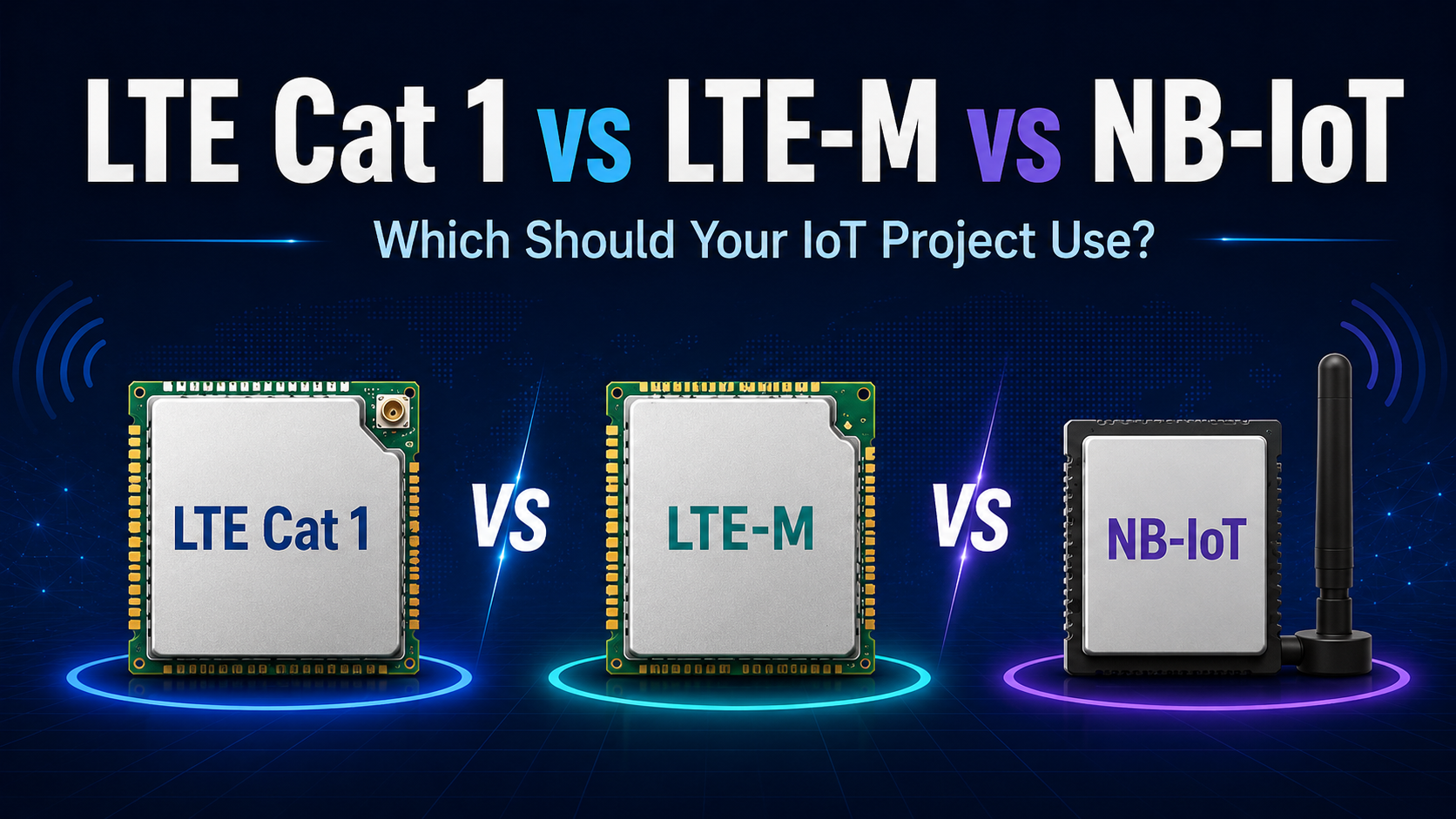
LTE Cat 1 vs LTE-M vs NB-IoT: Which Should Your IoT Project Use?
Choosing cellular connectivity for an IoT device is no longer as simple as selecting “4G.”
A product designer can choose between LTE Cat 1, LTE Cat 1 bis, LTE-M and NB-IoT , and all four can connect an IoT device to a cellular network. However, they...

08/22/2026
LILYGO T-SIM7600 vs T-A7670 vs T-SIM7080 vs T-SIM7000
LILYGO offers several ESP32 cellular development boards that can look extremely similar in product listings but target very different IoT applications.
The T-SIM7600, T-A7670, T-SIM7080 and T-SIM7000 all combine an ESP32-family microcontroller with...

08/22/2026
Meshtastic + TAK Hardware Guide for Search-and-Rescue and Field Teams
Search-and-rescue teams need two things that are difficult to maintain once cellular coverage disappears: communication and shared situational awareness .
Meshtastic and the Team Awareness Kit solve different parts of that problem.
Meshtastic...
08/21/2026
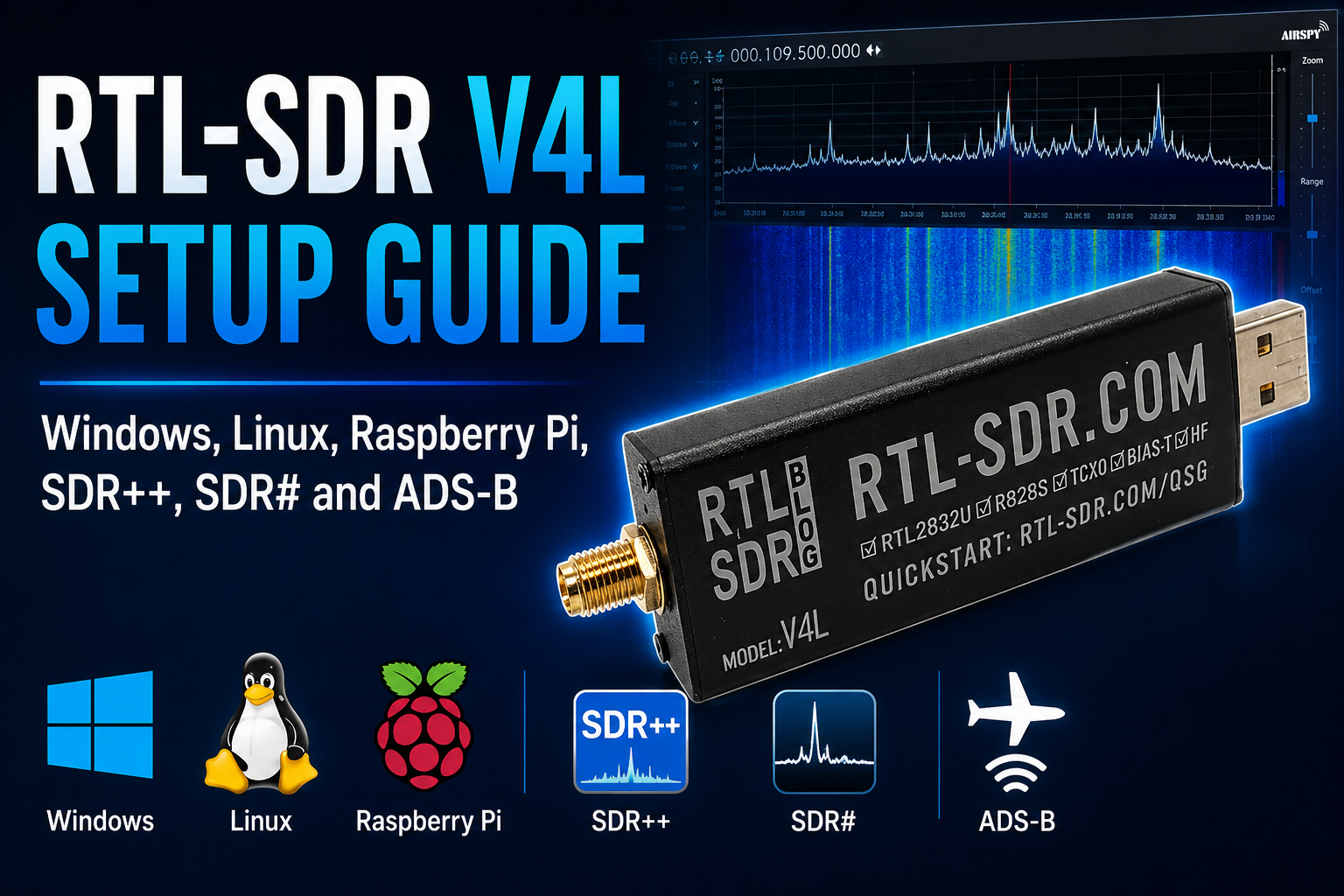
RTL-SDR V4L Setup Guide: Windows, Linux, Raspberry Pi, SDR++, SDR# and ADS-B
The RTL-SDR Blog V4L , also called the RTL-SDR V4 Lite, is now available—and setting it up correctly is slightly different from setting up a generic RTL-SDR, V3 or even the original V4.
The reason is the new Rafael Micro R828S tuner . RTL-SDR Blog...
08/09/2026
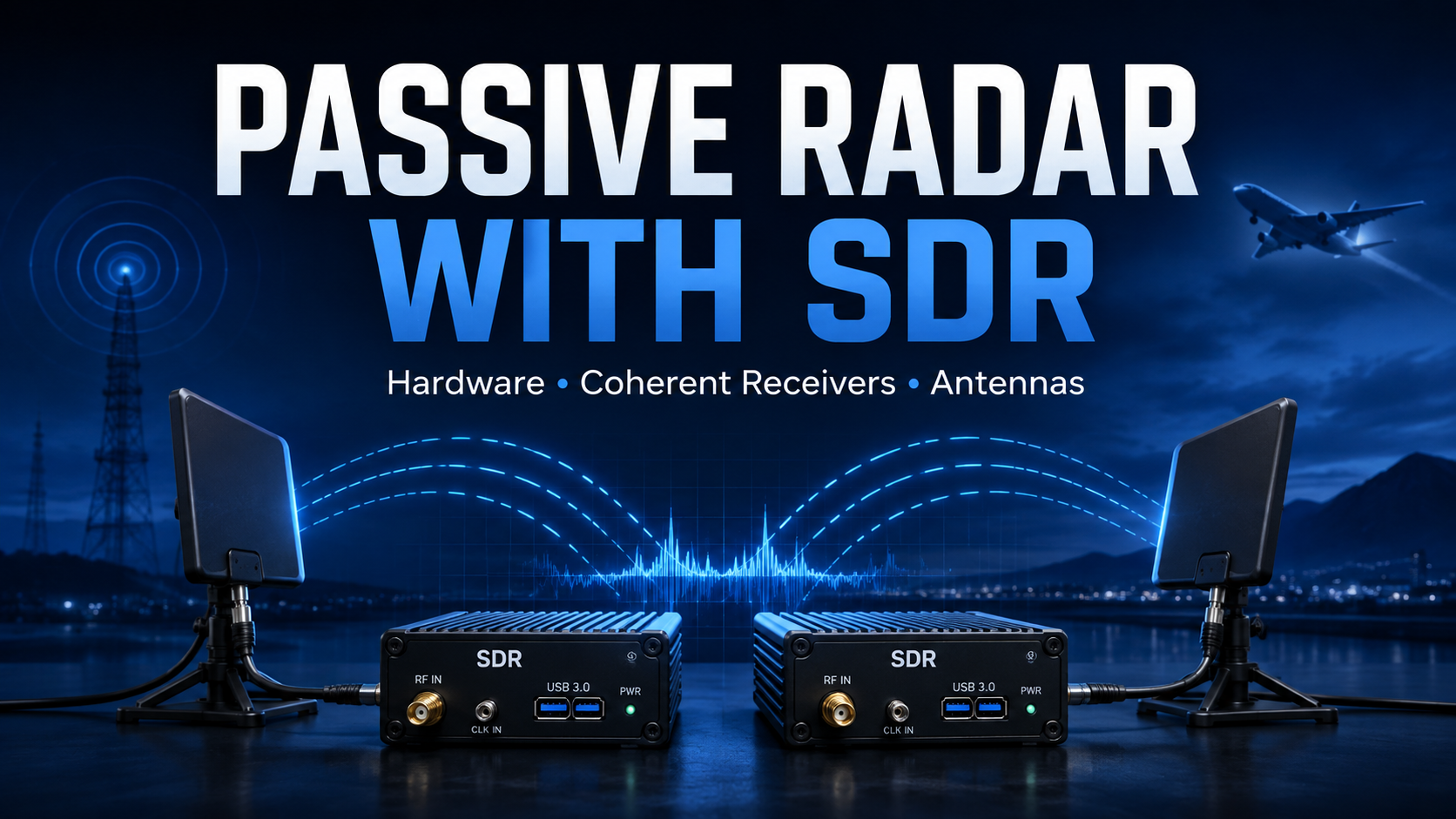
Passive Radar with SDR: Hardware, Coherent Receivers, Antennas, and Real-World Research
Radar normally brings to mind a transmitter sending powerful RF pulses and then listening for reflections.
Passive radar works differently.
Instead of transmitting its own waveform, a passive radar receiver listens to radio signals that already...
08/09/2026
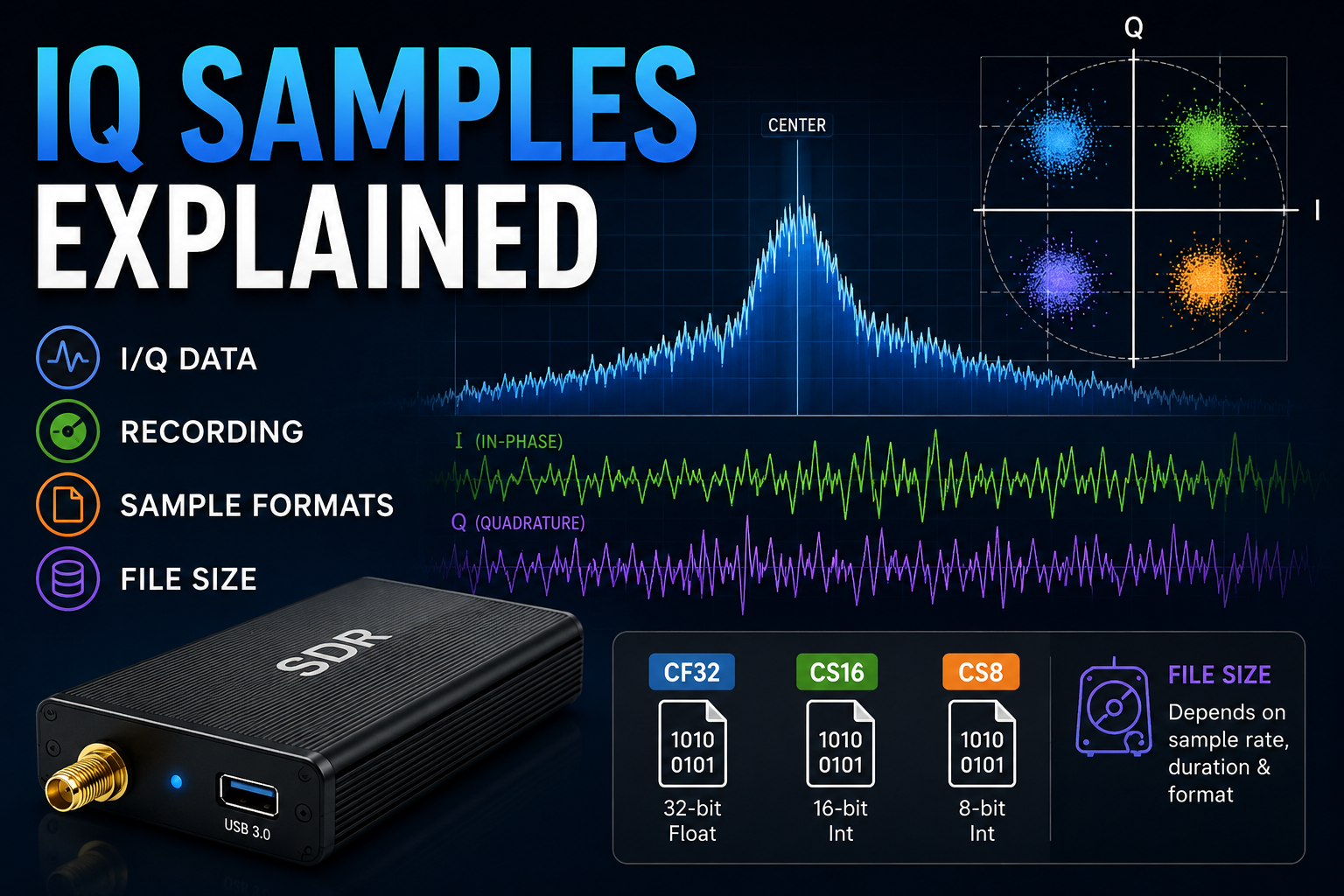
IQ Samples Explained: I/Q Data, Recording, Sample Formats, and File Size
When an SDR records radio spectrum, it normally does not save an MP3, WAV audio track or a list of frequencies.
It records I/Q samples .
Those samples are the digital representation of the radio-frequency signal inside the bandwidth currently...
08/09/2026
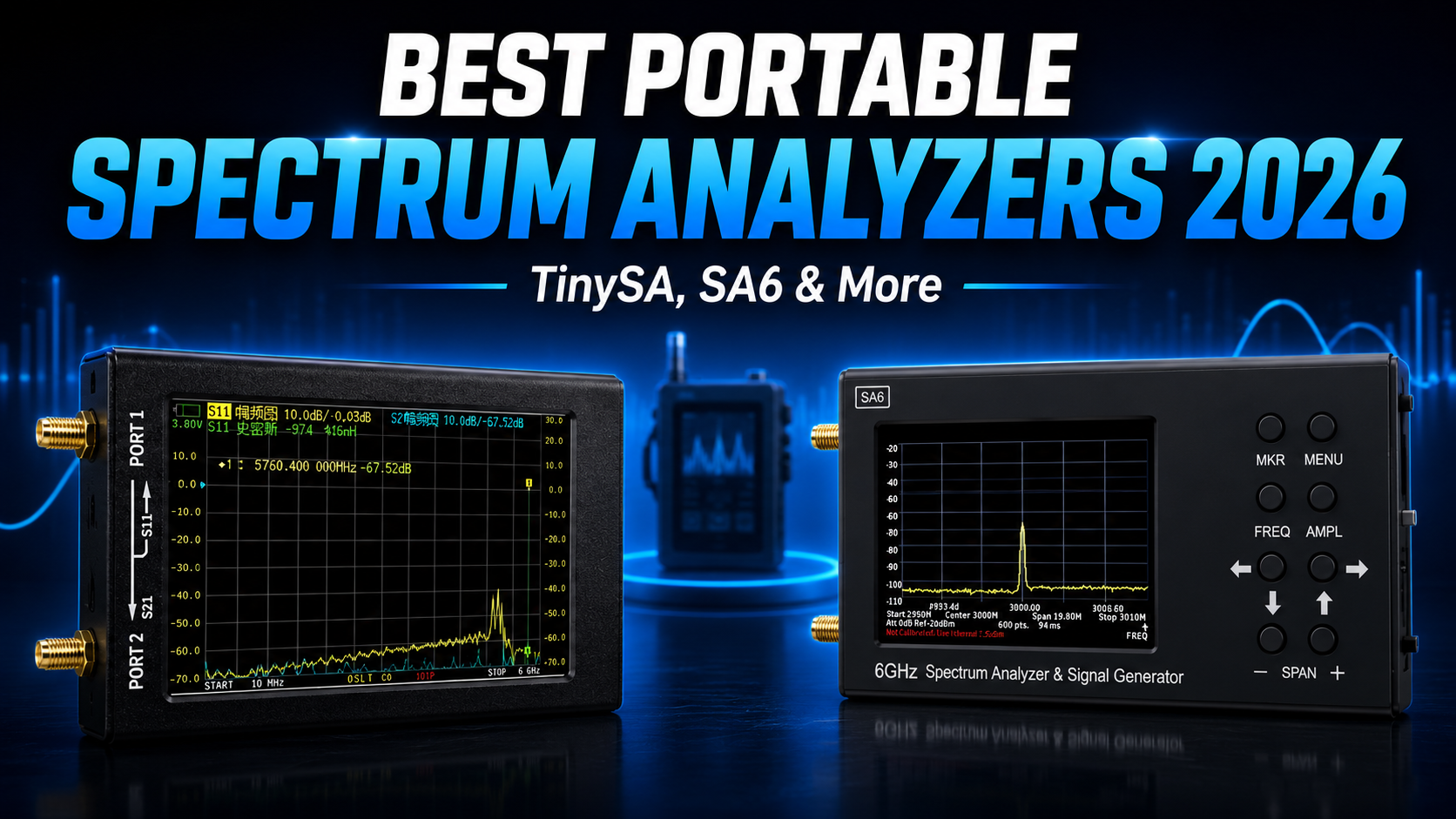
Best Portable Spectrum Analyzer in 2026: TinySA, SA6, SA8, and Other Options
A spectrum analyzer used to mean a large laboratory instrument costing thousands or tens of thousands of euros. In 2026, RF engineers, amateur-radio operators, SDR users, field technicians and university students have far more portable options....
08/08/2026
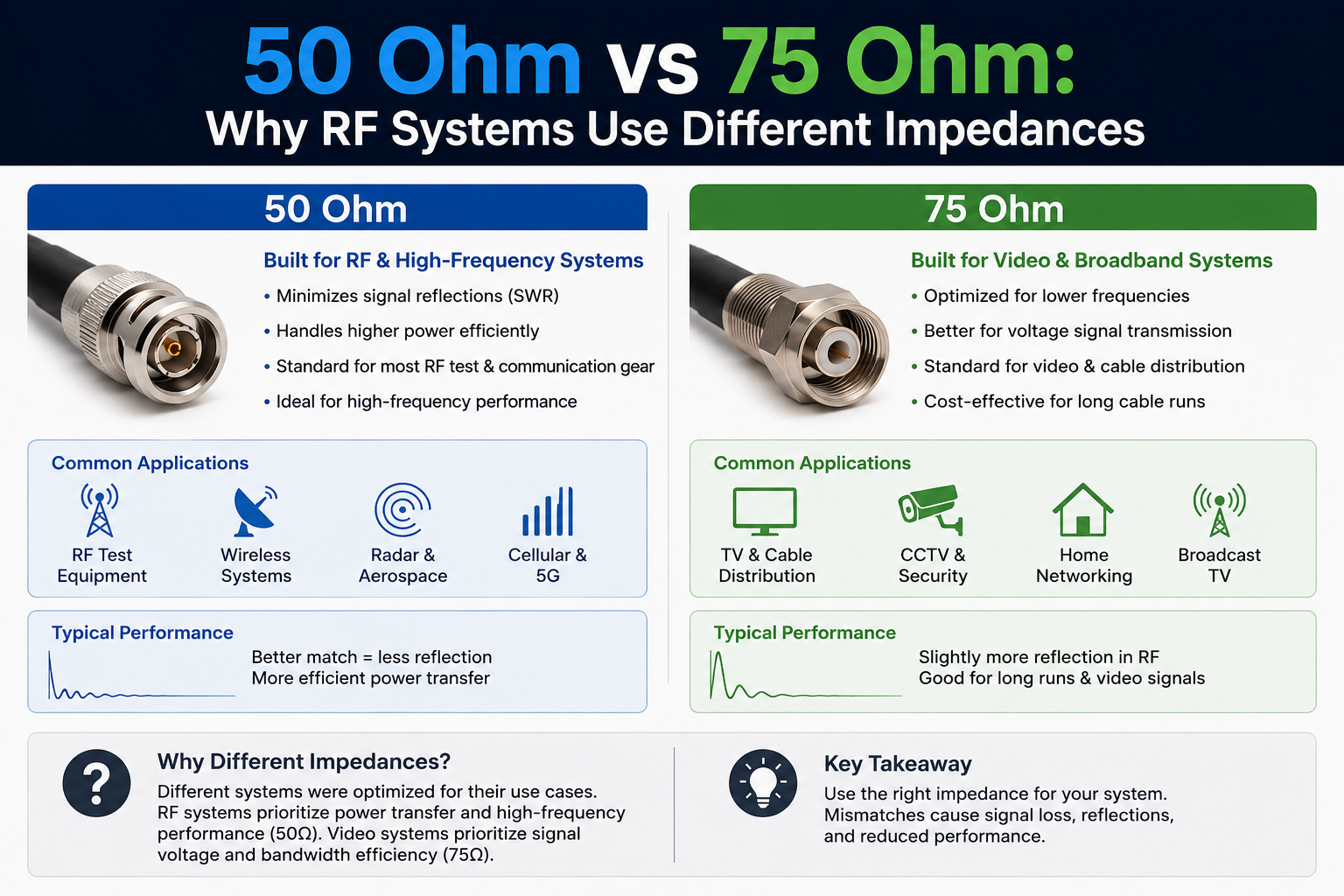
50 Ohm vs 75 Ohm: Why RF Systems Use Different Impedances
Why do SDRs, antennas, RF amplifiers and laboratory instruments usually use 50 ohms, while television, CATV and professional video systems often use 75 ohms?
The answer is not that one impedance is universally better. 50 Ω and 75 Ω were optimized...
08/08/2026
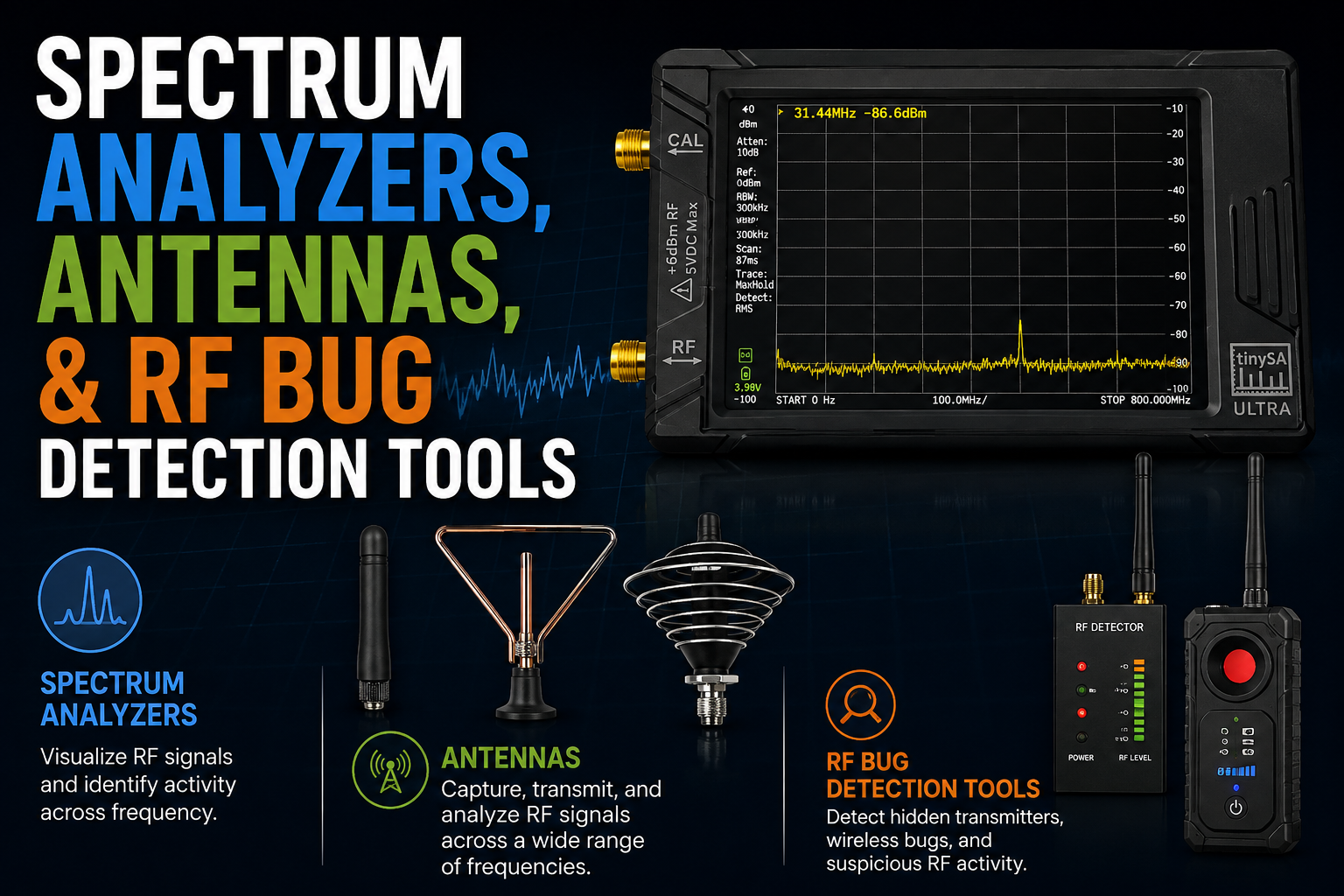
Spectrum Analyzers, Antennas, and RF Bug Detection Tools
A suspicious wireless transmitter can be much harder to find than the small handheld “bug detector” advertisements often suggest. Modern buildings are already filled with Wi-Fi, Bluetooth, cellular, IoT, wireless microphones, alarm sensors, remote controls...
08/08/2026
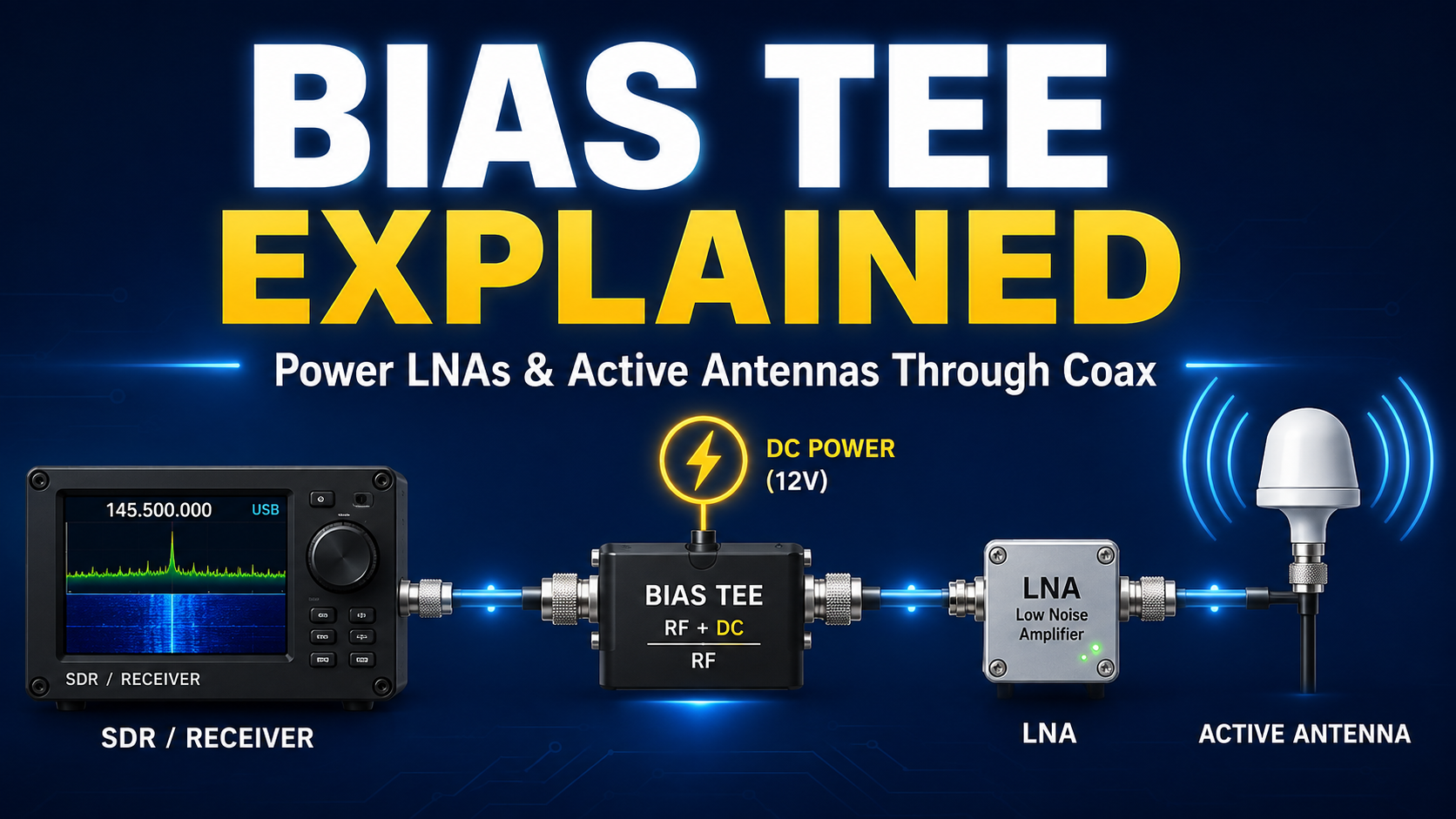
Bias Tee Explained: Powering LNAs and Active Antennas Through Coax
An outdoor LNA may be several meters away from your SDR receiver. An active GNSS antenna may need electrical power even though only one coaxial cable connects to it. A mast-mounted preamplifier may be positioned where running a separate DC cable would be...
08/08/2026
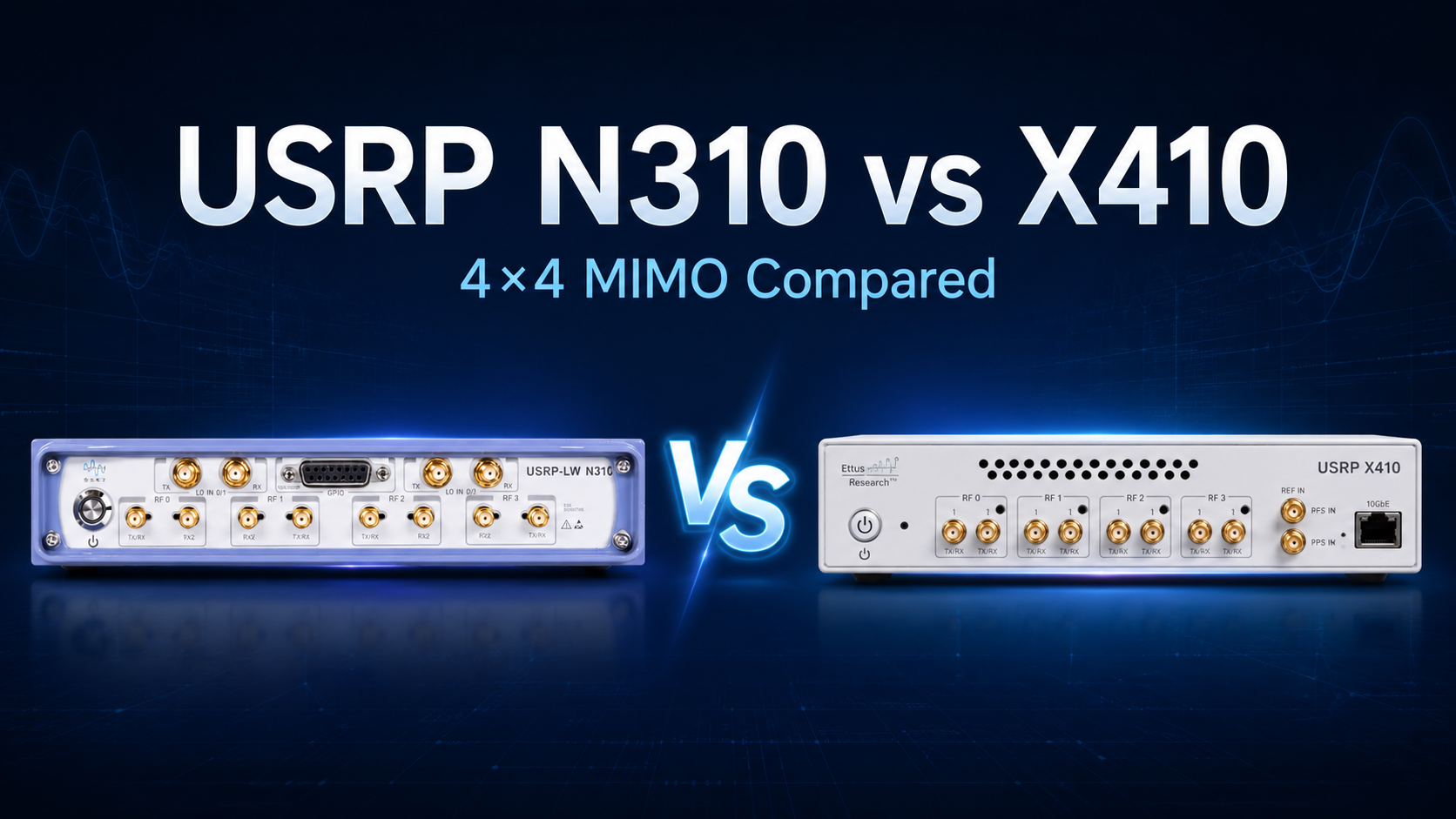
USRP N310 vs X410: 4×4 MIMO, Bandwidth, FPGA, and Networking Compared
USRP N310 and USRP X410 both offer four transmit and four receive channels, which can make them look surprisingly similar on a specification sheet.
They are not.
The USRP N310 is a mature networked 4×4 SDR built around two AD9371 RF...
08/07/2026
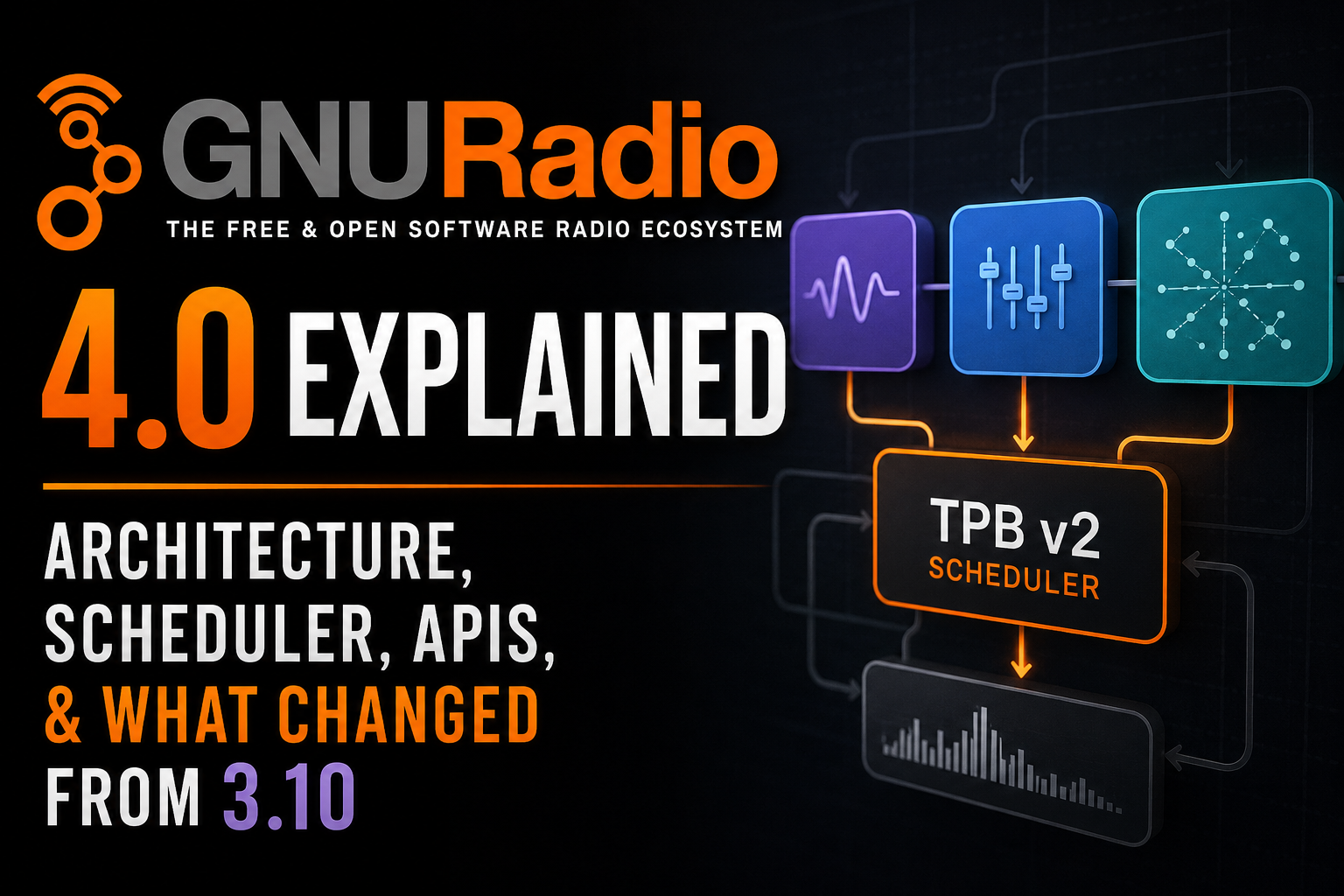
GNU Radio 4.0 Explained: Architecture, Scheduler, APIs, and What Changed from 3.10
GNU Radio 4 is not simply GNU Radio 3.10 with a new interface. It is a major redesign of the runtime, block model, scheduler, type system, execution architecture, and developer APIs underneath GNU Radio flowgraphs.
The familiar idea remains: connect...
08/07/2026
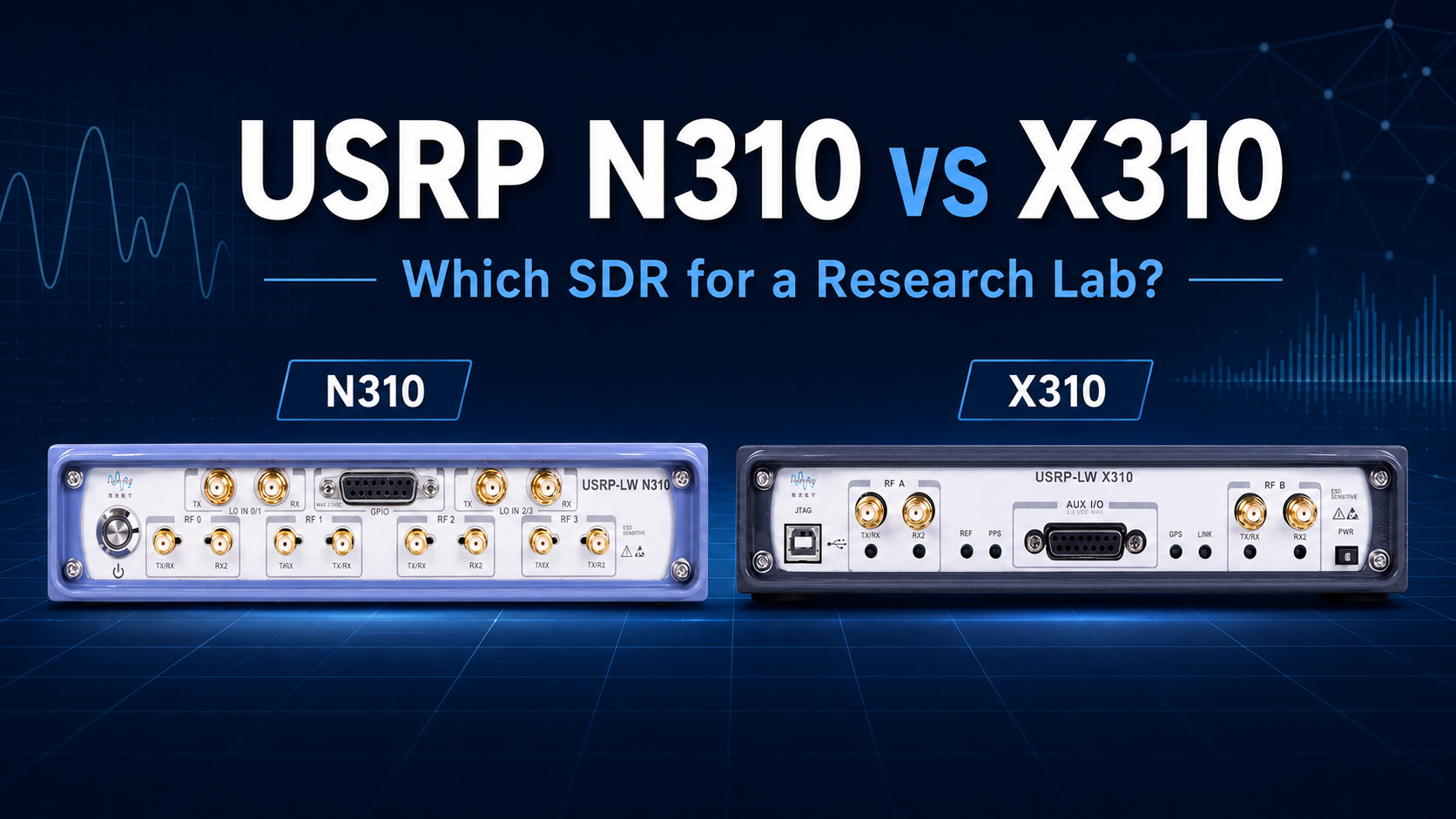
USRP N310 vs X310: Which SDR Should a Research Lab Buy?
The USRP N310 and USRP X310 are both high-end software-defined radio platforms used in universities, telecom laboratories, MIMO testbeds, GNU Radio research, private cellular networks, spectrum-monitoring systems, RF cybersecurity laboratories, and...
08/07/2026
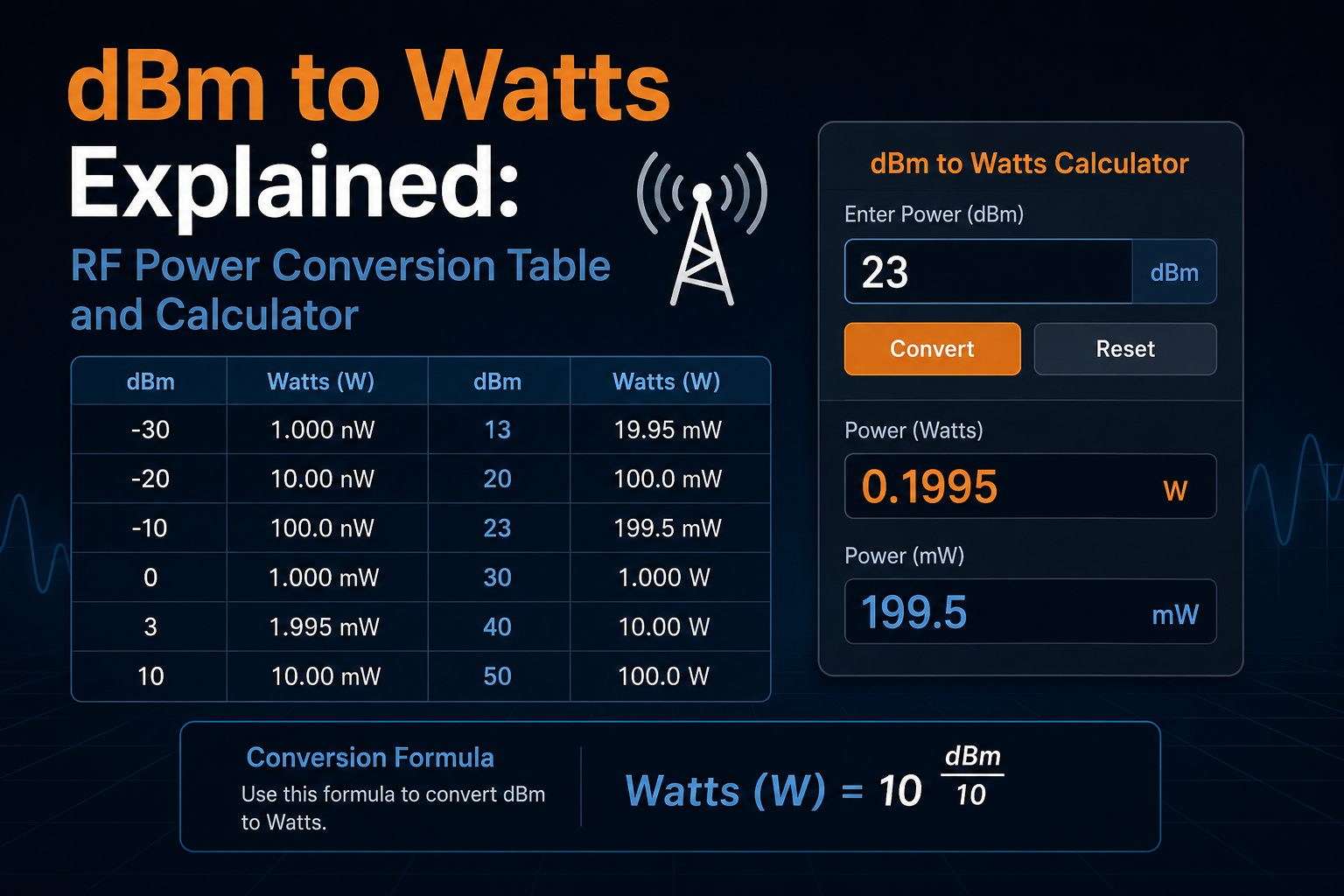
dBm to Watts Explained: RF Power Conversion Table and Calculator
dBm is one of the most common units in radio-frequency engineering, but it can be confusing when RF equipment is also specified in milliwatts or watts. A transmitter may be rated at 30 dBm, an SDR input may have a safe limit expressed in dBm, an RF power...
08/07/2026
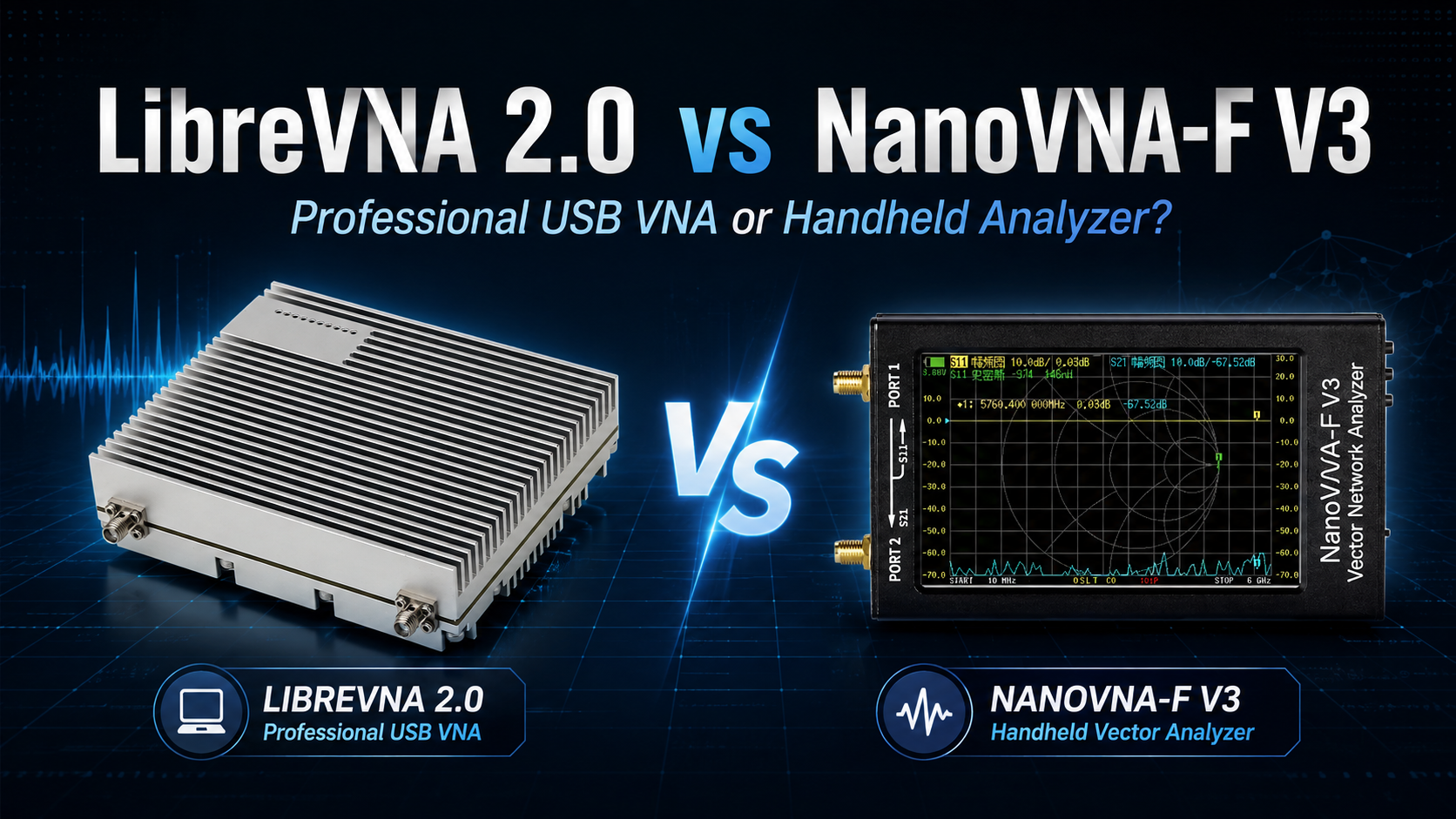
LibreVNA 2.0 vs NanoVNA-F V3: Professional USB VNA or Handheld Analyzer?
The LibreVNA 2.0 and NanoVNA-F V3 both cover frequencies up to approximately 6 GHz, both measure RF networks, and both cost far less than a traditional laboratory vector network analyzer. That makes them look like direct competitors.
In practice, they...
08/07/2026
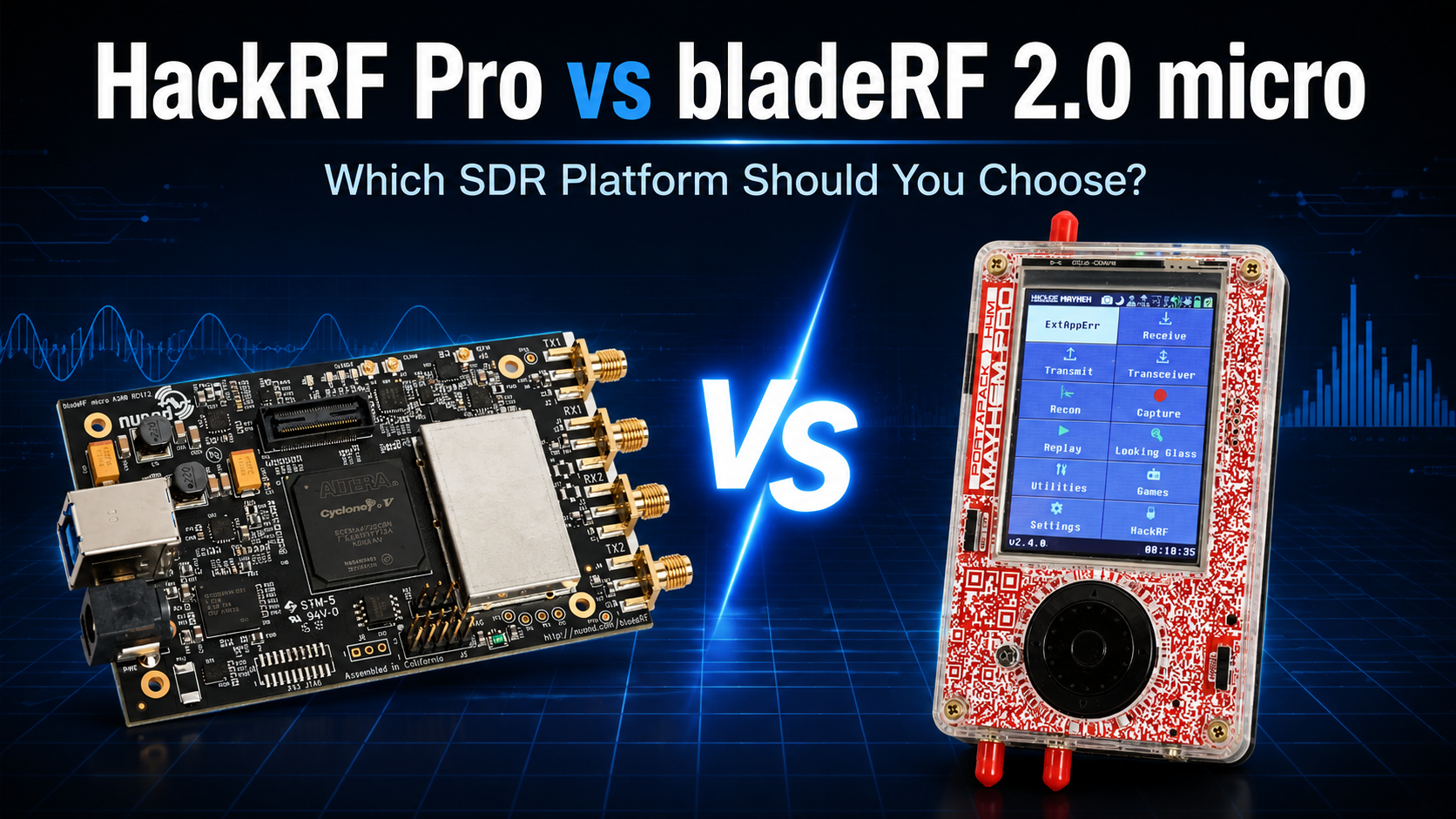
HackRF Pro vs bladeRF 2.0 micro: Which SDR Platform Should You Choose?
HackRF Pro and bladeRF 2.0 micro are both powerful open software-defined radio platforms covering much of the RF spectrum up to 6 GHz, but they are designed for very different types of users.
The HackRF Pro is the easier platform for broad-frequency...
08/07/2026
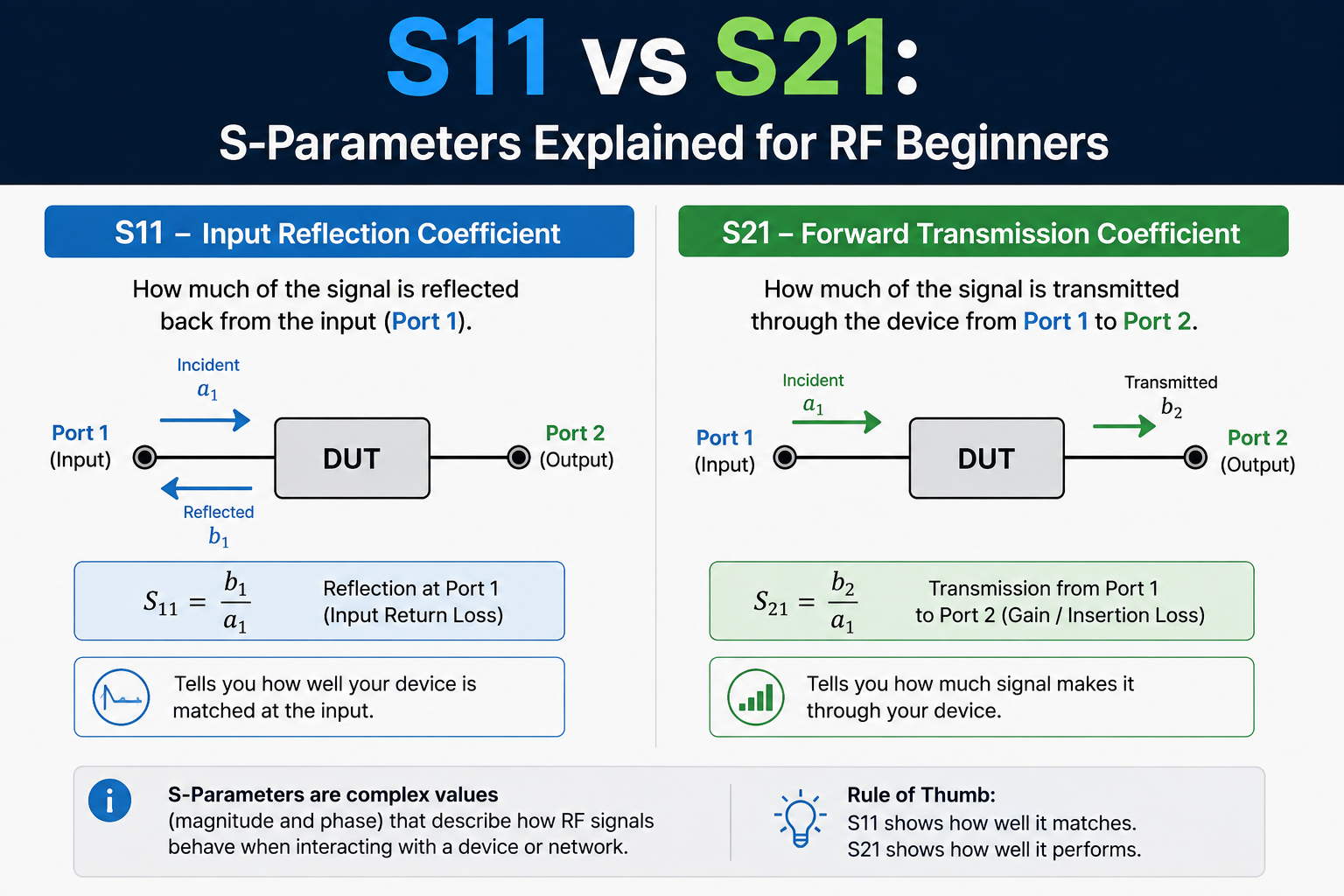
S11 vs S21: S-Parameters Explained for RF Beginners
S11 and S21 are two of the most important measurements you will see on a vector network analyzer, NanoVNA, LibreVNA, or professional RF VNA.
The names initially look abstract, but the basic idea is simple:
S11 tells you what comes back....
08/07/2026
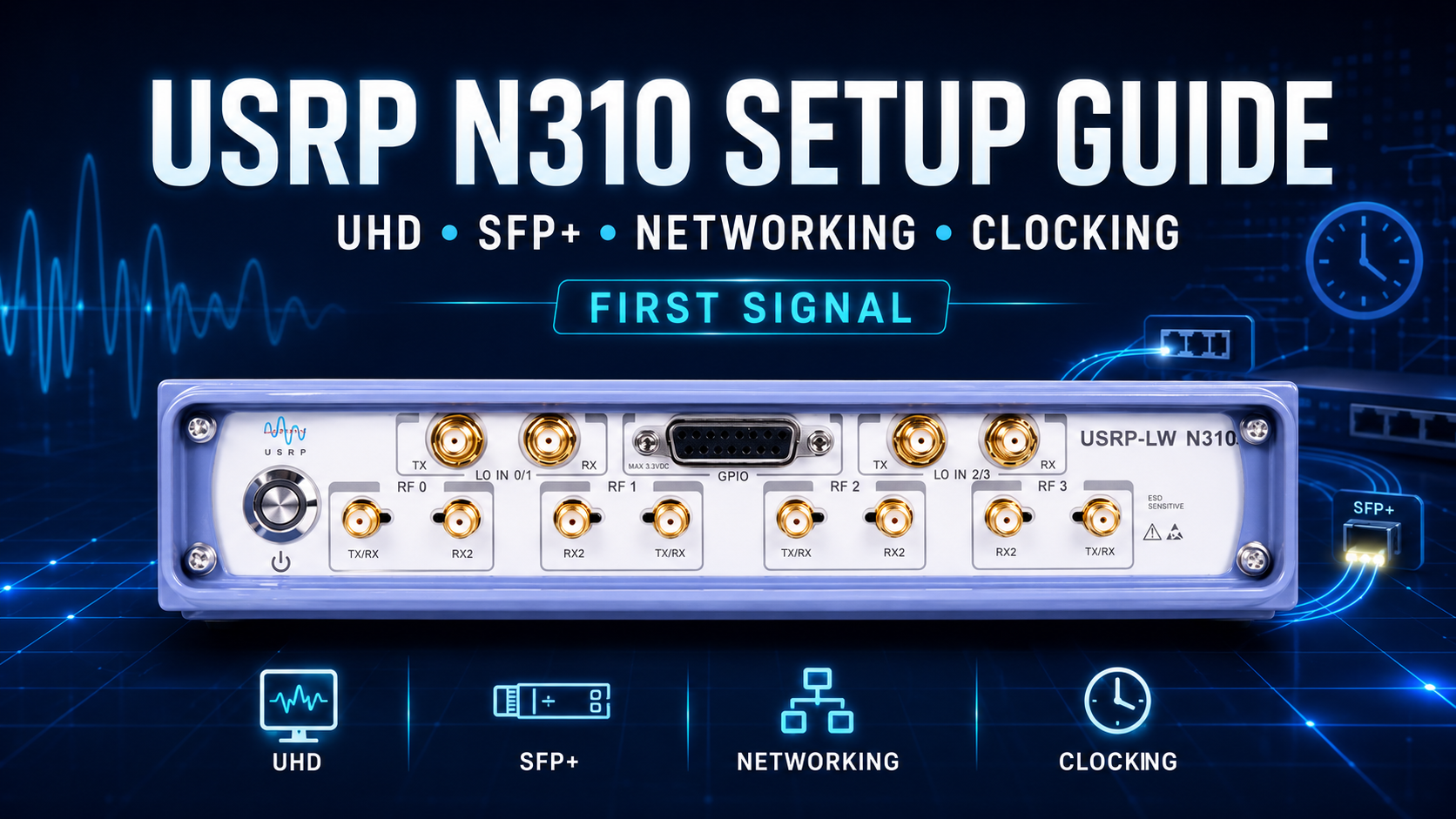
USRP N310 Setup Guide: UHD, SFP+, Networking, Clocking, and First Signal
The USRP N310 is very different from a USB SDR such as the USRP B210. You do not simply install a driver, connect one cable, and select the radio in GNU Radio.
The N310 is a four-channel networked SDR with its own embedded Linux system, FPGA image,...