


06/16/2026
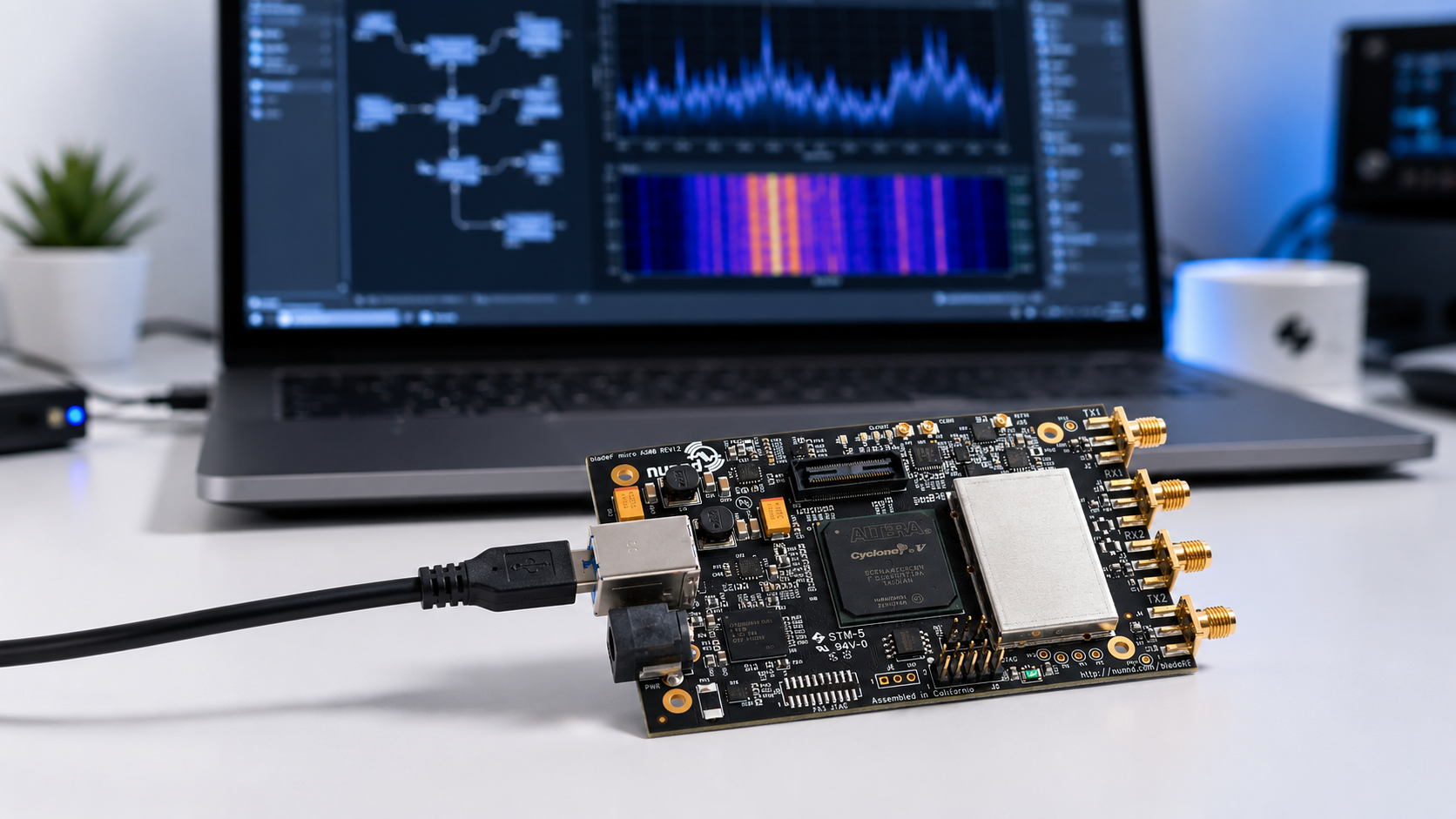
bladeRF 2.0 micro Setup Guide: Drivers, libbladeRF, FPGA Image, and GNU Radio
bladeRF 2.0 micro is a powerful 2×2 MIMO software-defined radio for GNU Radio projects, custom waveform development, wireless research, FPGA experimentation, university labs, and RF engineering. Before you can use it reliably, you need the correct drivers,...
06/16/2026
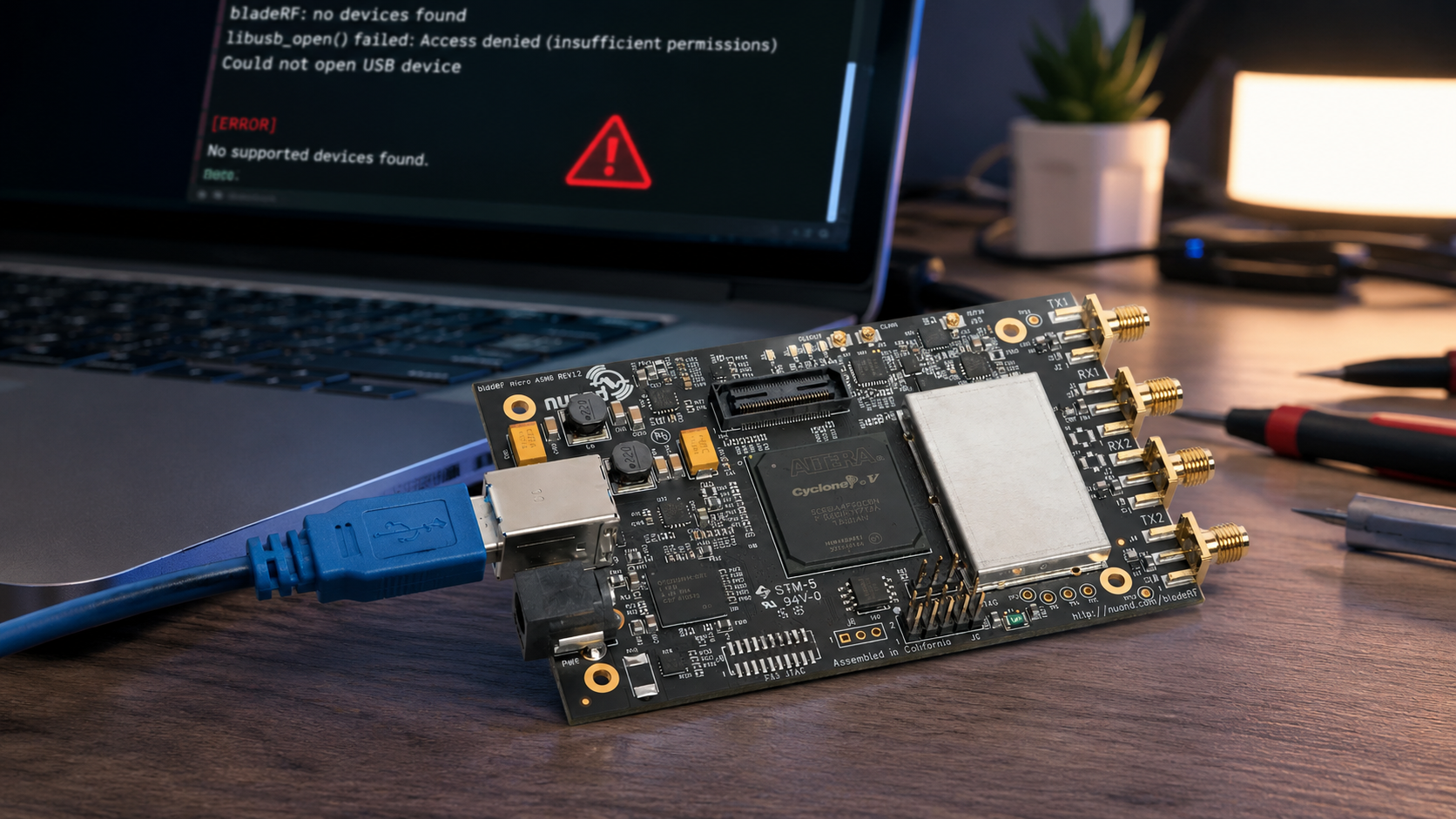
bladeRF Not Detected? Fix USB 3.0, Firmware, FPGA Image, and libbladeRF Issues
If your bladeRF 2.0 micro is not detected, the problem is usually in one of four places: the USB connection, the operating-system driver or permissions, the libbladeRF installation, or the FPGA image. GNU Radio problems are often a separate layer, so you...
06/16/2026
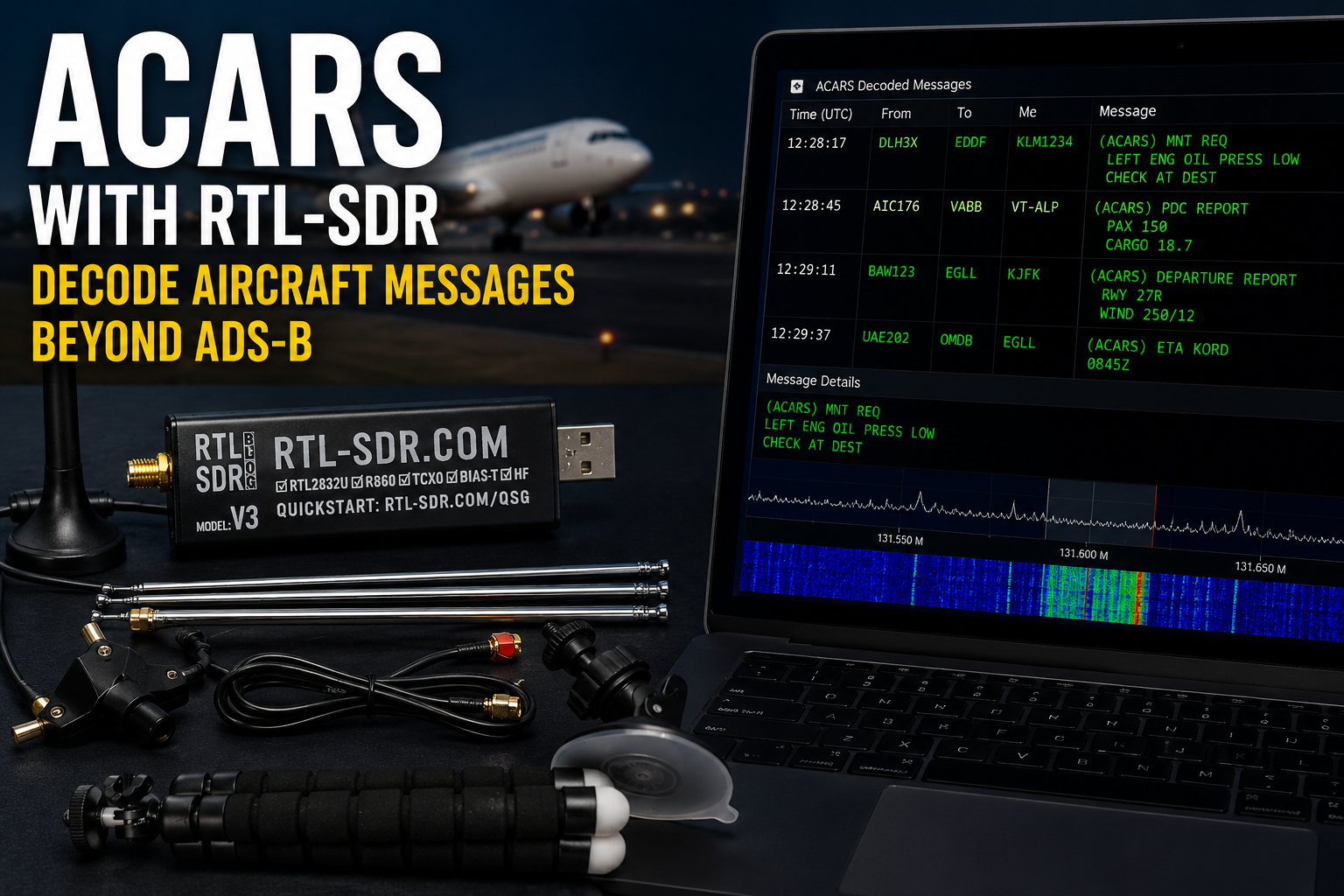
ACARS with RTL-SDR: Decode Aircraft Messages Beyond ADS-B
ADS-B is the most popular aircraft-tracking project for RTL-SDR users, but it is not the only aviation signal you can receive. If you want to go beyond dots on a map, ACARS and VDL Mode 2 can show short aircraft operational messages, airline datalink...
06/16/2026
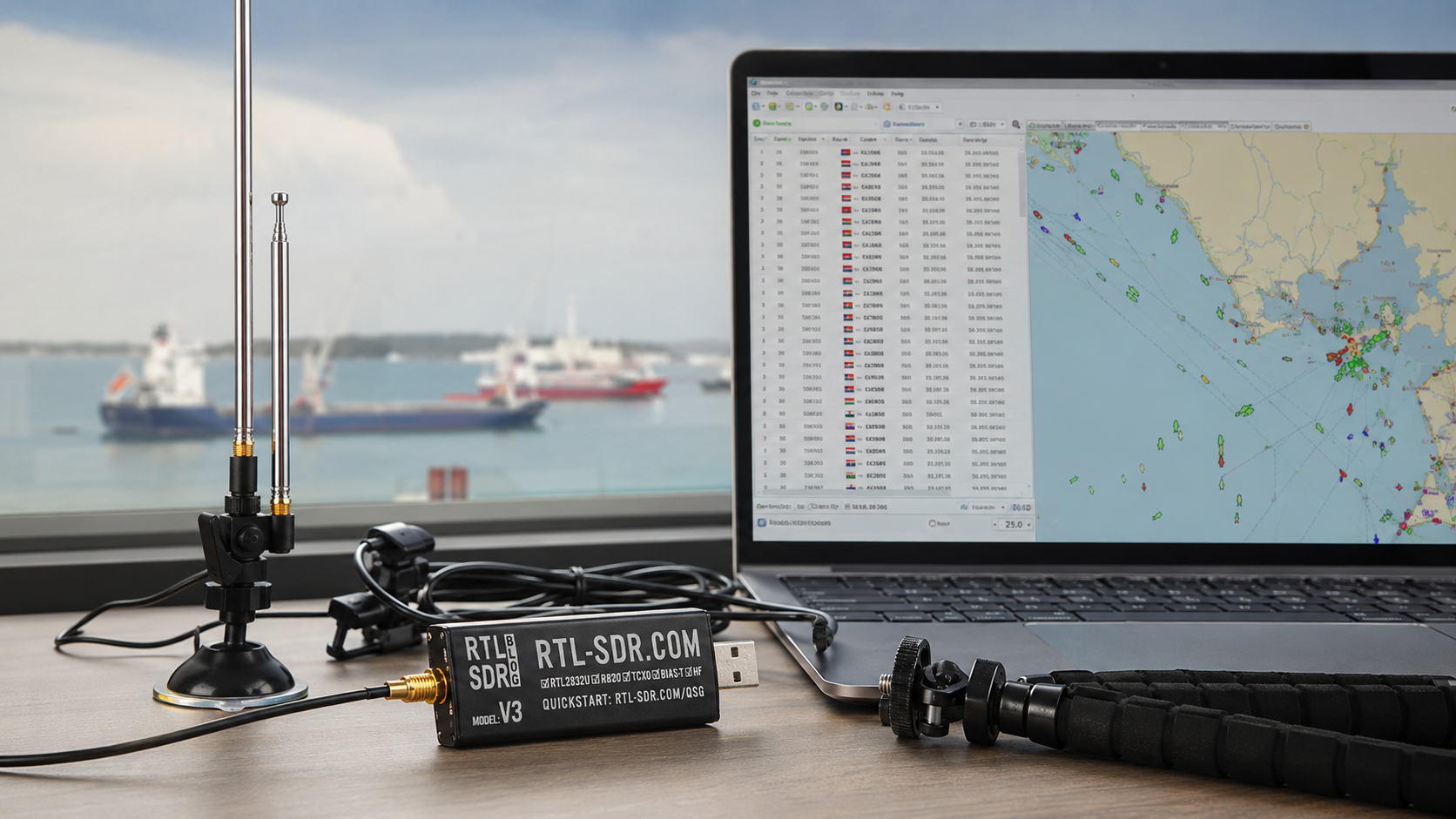
AIS Ship Tracking with RTL-SDR: Antenna, Software, and Setup Guide
AIS ship tracking is one of the best RTL-SDR projects after ADS-B aircraft tracking. With a low-cost receive-only SDR, a suitable VHF marine antenna, and free decoder software, you can receive Automatic Identification System broadcasts from nearby ships...
06/16/2026
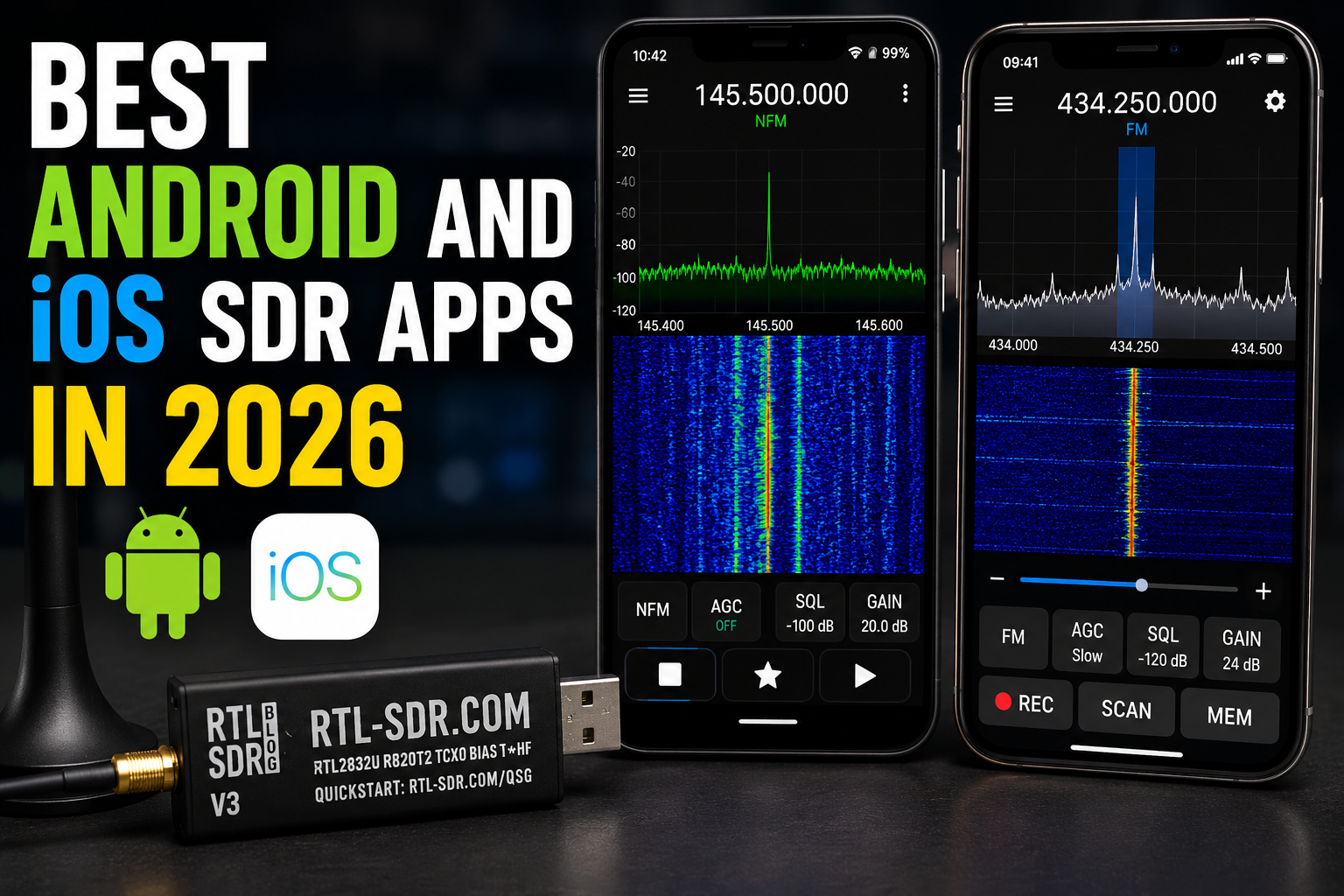
Best Android and iOS SDR Apps in 2026
Mobile SDR has improved a lot, but Android and iOS are still very different platforms for software-defined radio. Android can work with many SDR receivers directly over USB OTG. iPhone and iPad usually work better with remote SDR servers, rtl_tcp streams,...
06/16/2026
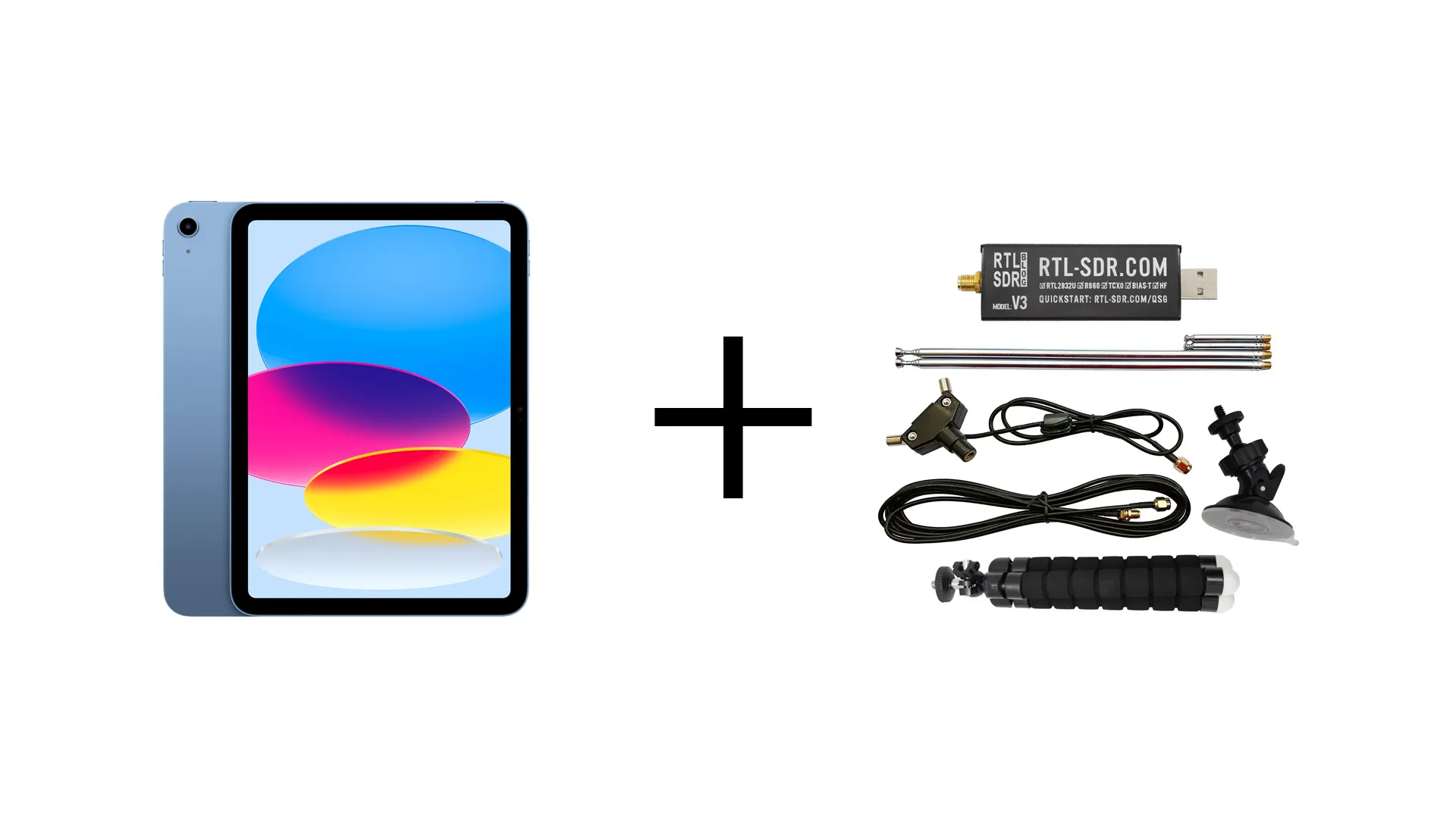
RTL-SDR on iPad: Direct USB Support, Apps, Cables, and Limitations
Many iPad users want to plug an RTL-SDR dongle directly into the USB-C port and use the tablet as a portable software-defined radio. The idea makes sense: modern iPads have powerful processors, bright displays, USB-C ports, long battery life, and excellent...
06/16/2026
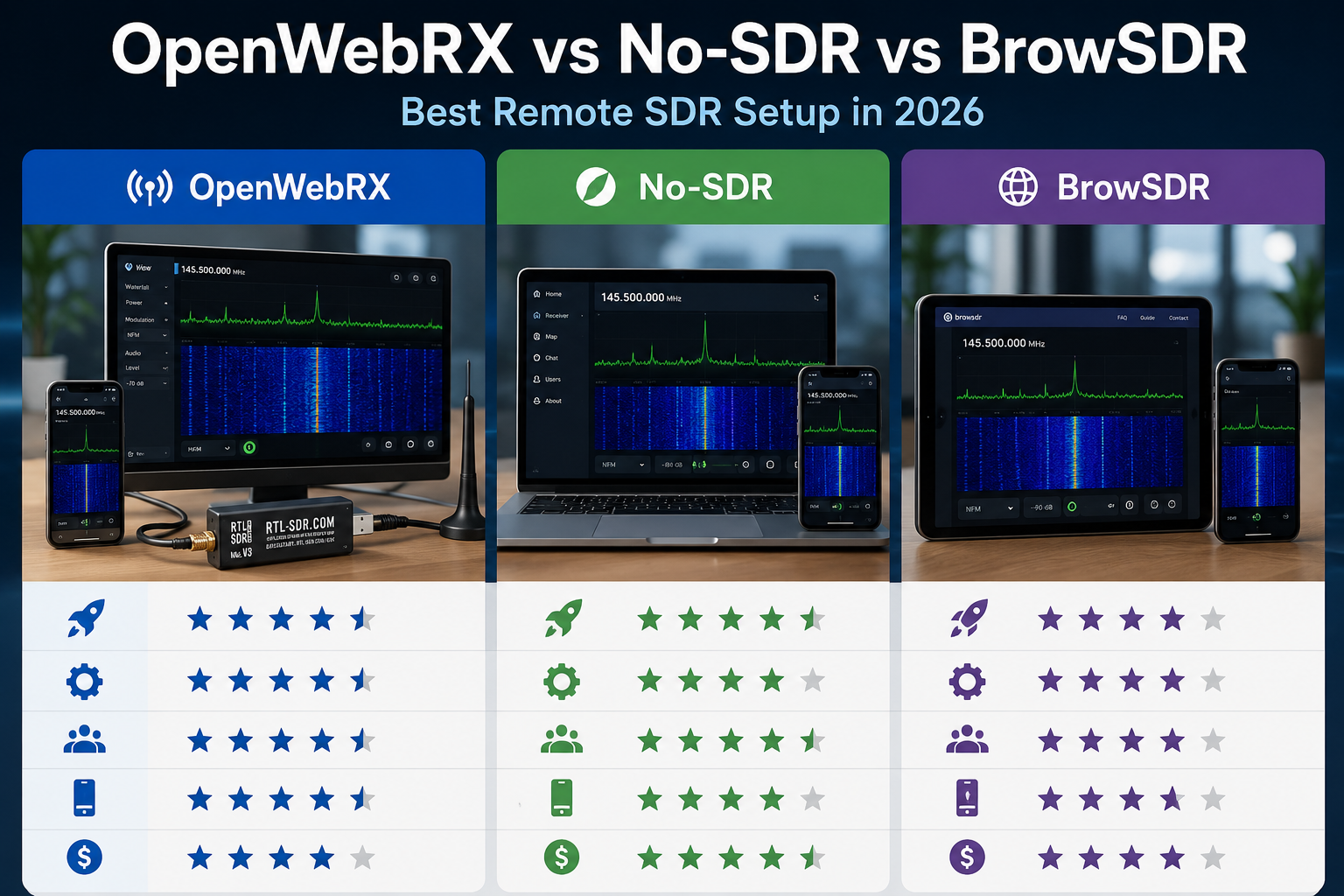
OpenWebRX vs No-SDR vs BrowSDR: Best Remote SDR Setup in 2026
Remote SDR is one of the most useful ways to run a software-defined radio. Instead of keeping the SDR dongle next to your laptop, you can place the receiver close to a better antenna, run the software on a Raspberry Pi or mini PC, and listen from a browser...
06/12/2026
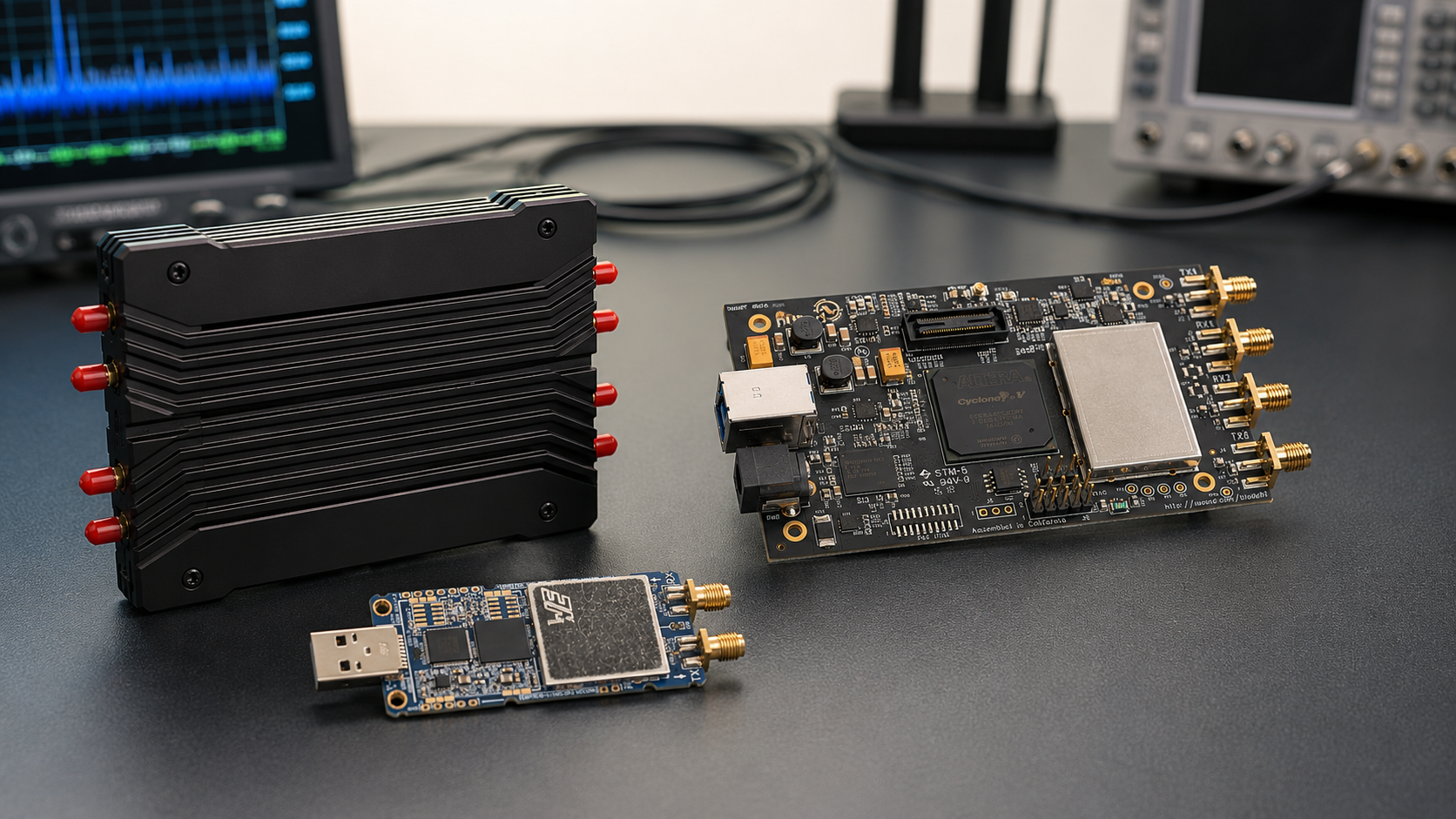
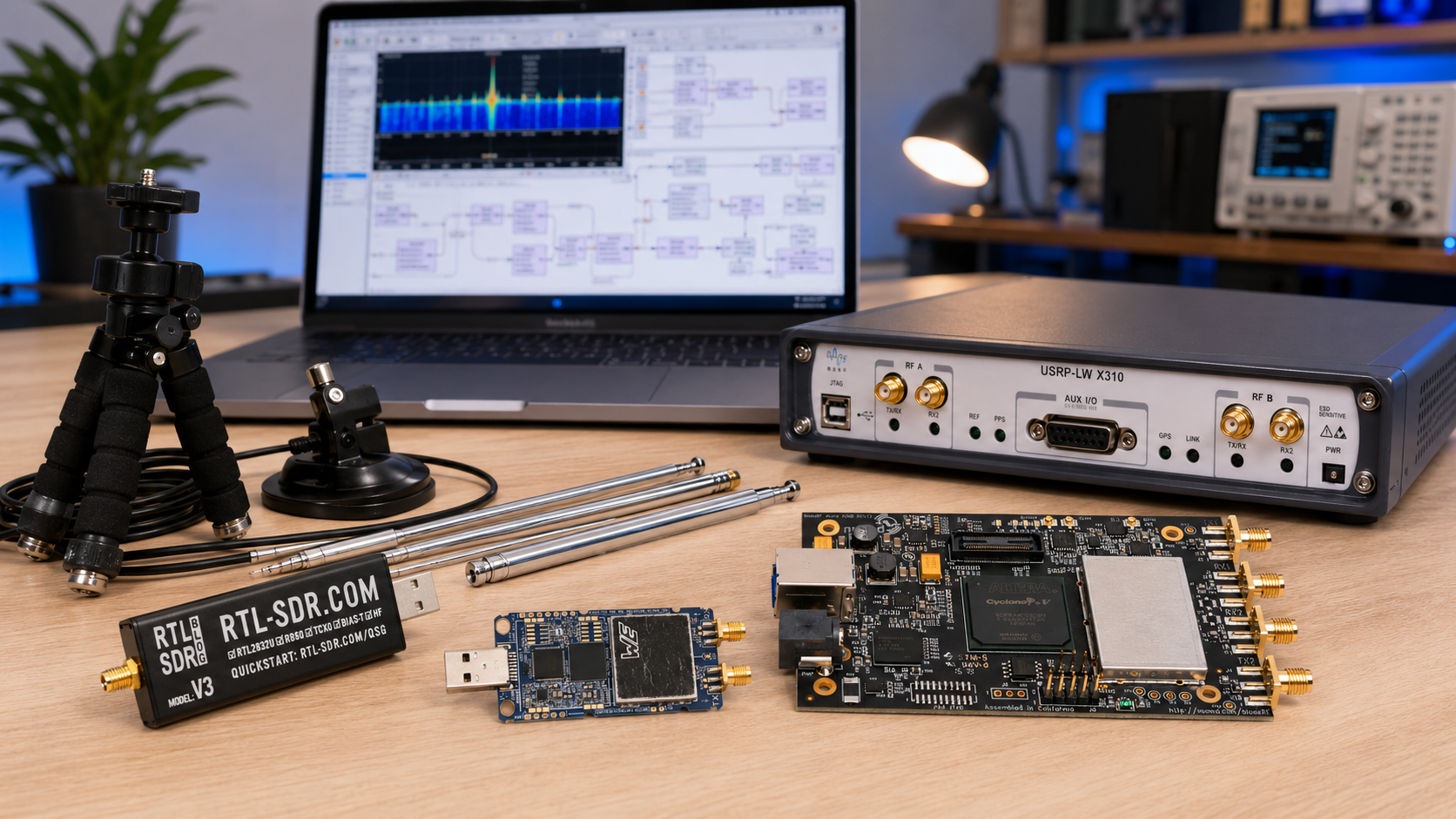
2x2 MIMO SDR Explained: USRP B210, PLUTO+, bladeRF, LimeSDR, and Research Use Cases
Updated: June 2026. This guide explains 2×2 MIMO software-defined radio hardware, including USRP B210, PLUTO+ SDR, bladeRF 2.0 micro, LimeSDR USB, LimeSDR Mini, GNU Radio, university labs, private 5G, OpenAirInterface, srsRAN, channel estimation,...
06/12/2026
Best SDR for GNU Radio Projects: RTL-SDR, HackRF, PlutoSDR, bladeRF, and USRP
Updated: June 2026. This guide compares the best SDR hardware for GNU Radio projects, including RTL-SDR, HackRF One, HackRF Pro, PlutoSDR, PLUTO+ SDR, bladeRF 2.0 micro, and USRP B210. It covers beginner receiving, spectrum analysis, transmit and...
06/12/2026
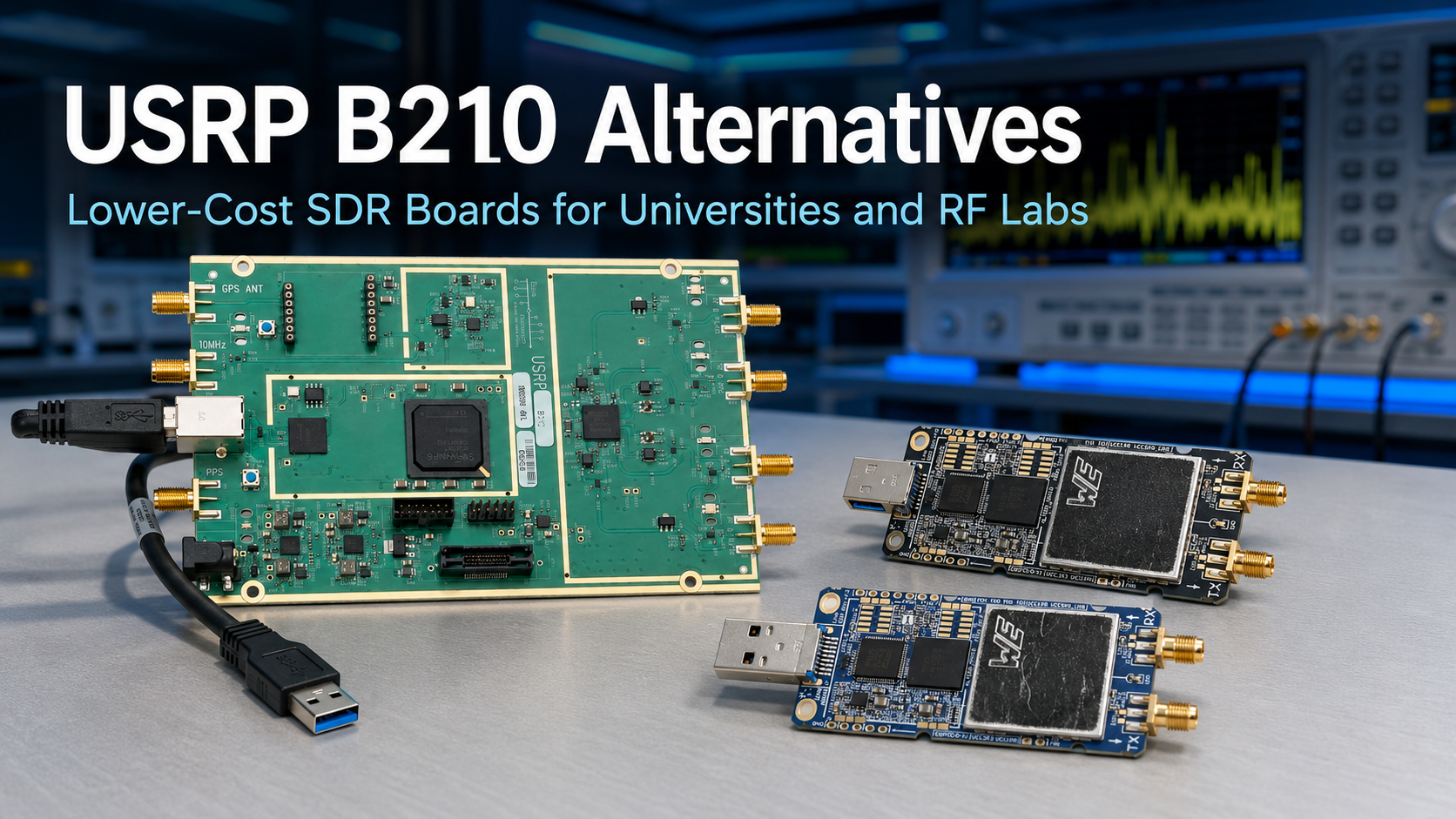
USRP B210 Alternatives: Lower-Cost SDR Boards for Universities and RF Labs
USRP B210 is one of the most widely recognized software-defined radio platforms for university laboratories, wireless-communications courses, GNU Radio development, private 5G testbeds, and RF research. Its compact USB-powered design, integrated AD9361 RF...
06/12/2026
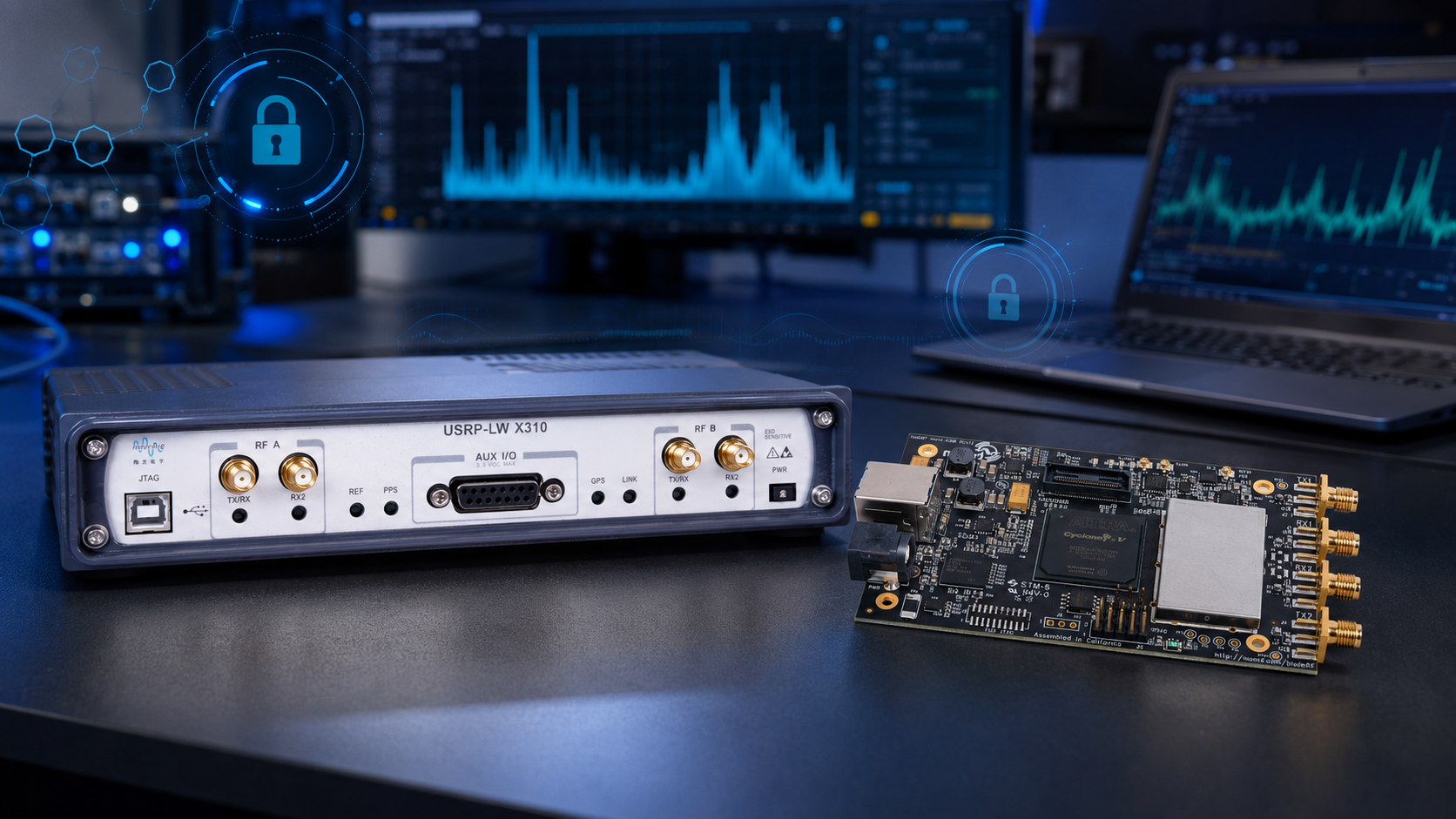
SDR for Cybersecurity Research: Hardware for Authorized Wireless Security Testing
Software-defined radio has become an important part of modern cybersecurity research because many security assessments now extend beyond traditional Ethernet and Wi-Fi networks. Organizations increasingly depend on wireless sensors, access-control systems,...
06/12/2026
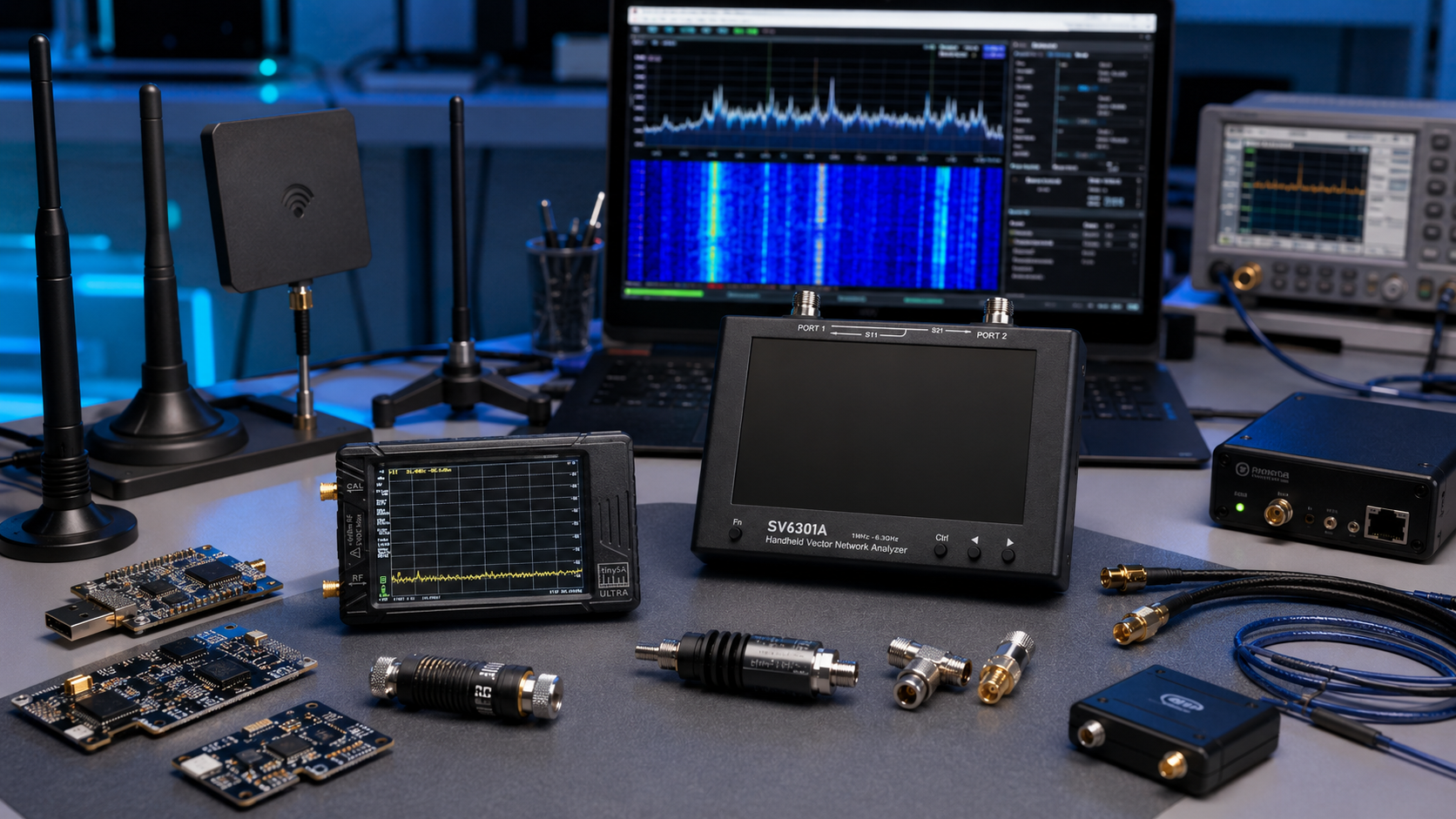
RF Cybersecurity Lab Equipment Checklist: SDRs, Spectrum Analyzers, VNAs, Antennas, and Attenuators
Building an RF cybersecurity laboratory requires more than buying a software-defined radio and installing a waterfall application. A useful wireless-security lab combines receivers, transmit-capable SDR platforms, RF measurement instruments, antennas,...
06/12/2026
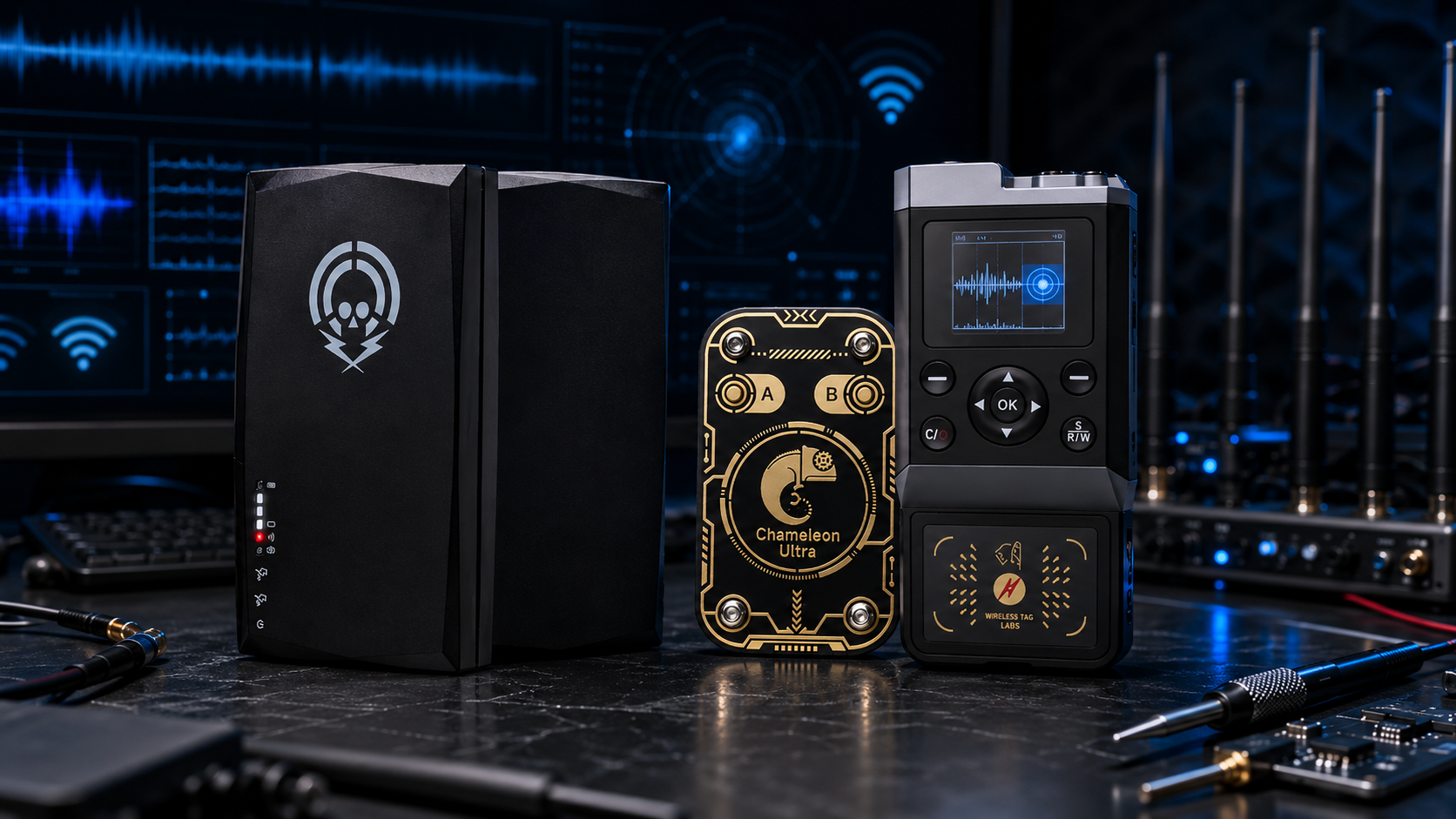
Wireless Security Testing Tools: WiFi, BLE, RFID, NFC, Sub-GHz, and SDR Hardware
Wireless-security testing is no longer limited to Wi-Fi passwords and office access points. Modern businesses rely on Bluetooth Low Energy sensors, RFID badges, NFC credentials, Sub-GHz remote controls, IoT devices, telemetry links, private wireless...
06/12/2026
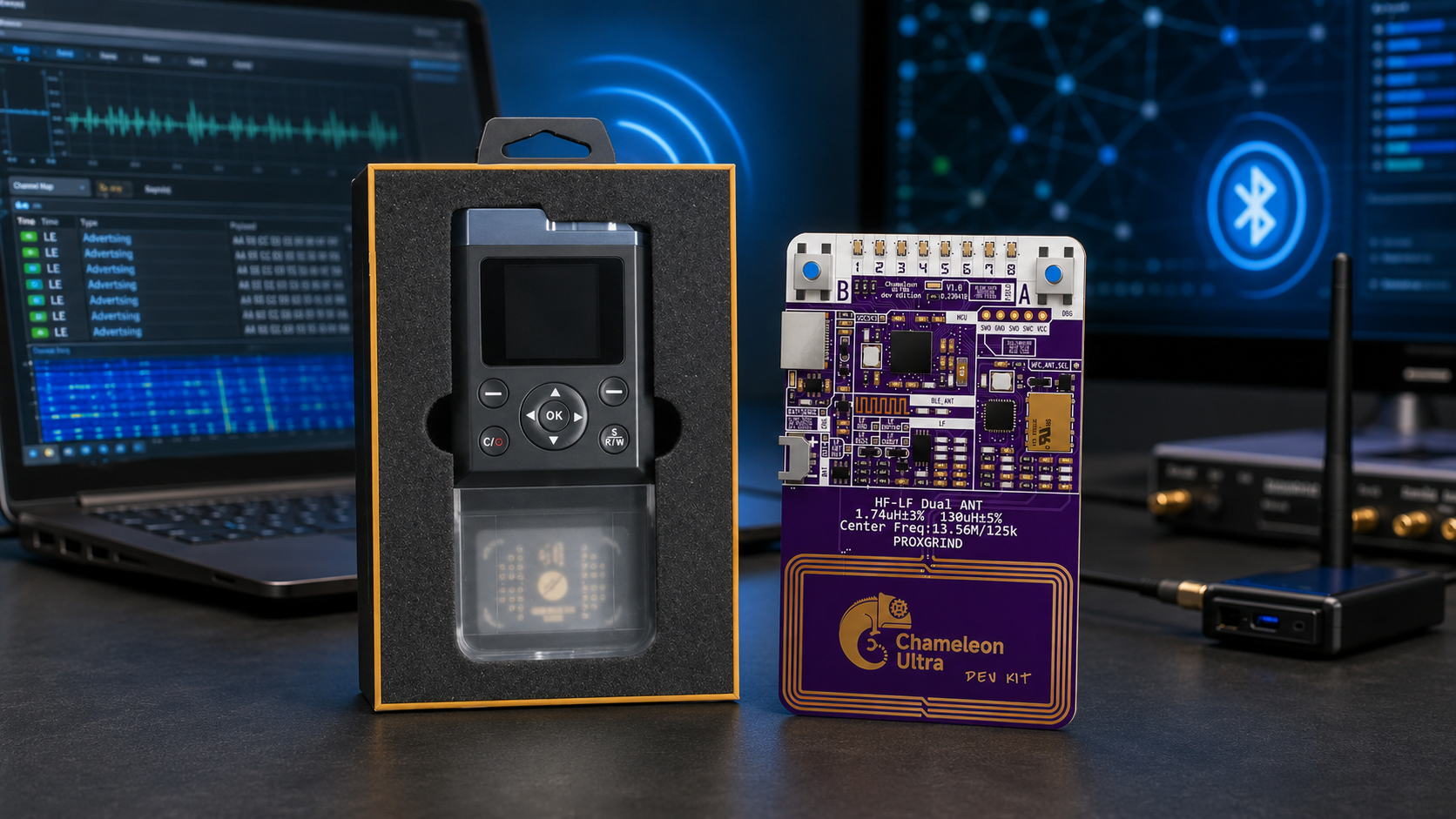
BLE Security Testing Tools: Bluetooth Low Energy Monitoring for Authorized Audits
Bluetooth Low Energy is embedded in a growing number of business and consumer products, including sensors, smart locks, access-control readers, medical-style wearables, beacons, asset trackers, mobile accessories, industrial devices, and IoT systems. As...
06/12/2026
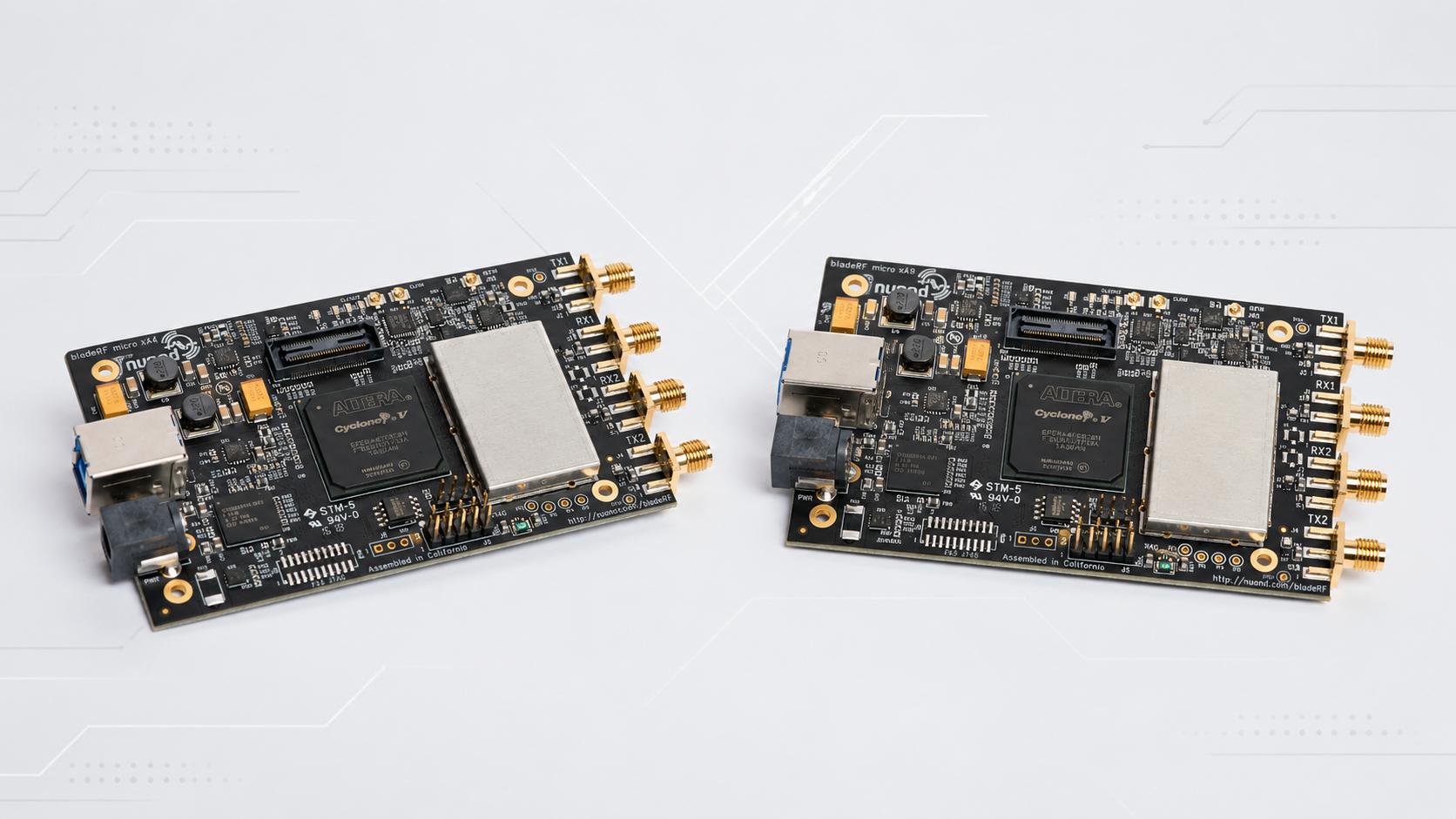
bladeRF 2.0 micro xA4 vs xA9: Which SDR Should You Buy?
Nuand bladeRF 2.0 micro is a compact USB 3.0 software-defined radio platform designed for wireless research, GNU Radio projects, custom waveform development, FPGA experimentation, and 2×2 MIMO applications.
Buyers commonly face one important decision:...
06/11/2026
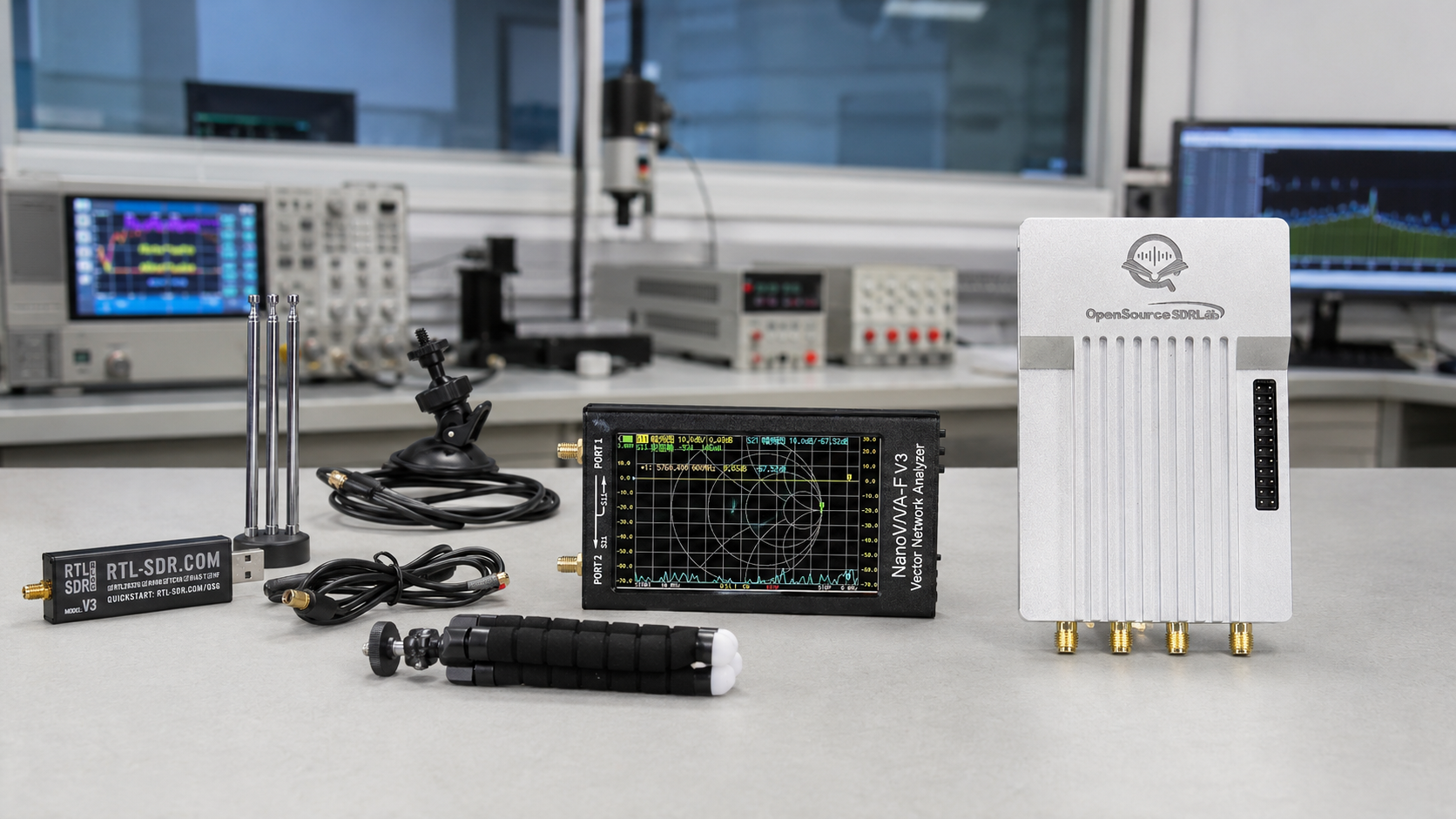
SDR Hardware for Universities: Beginner, Intermediate, and Advanced Lab Setups
Updated: June 2026. This guide compares beginner, intermediate, and advanced software-defined radio hardware setups for universities, engineering departments, telecom laboratories, cybersecurity teams, and wireless-research institutes....
06/11/2026
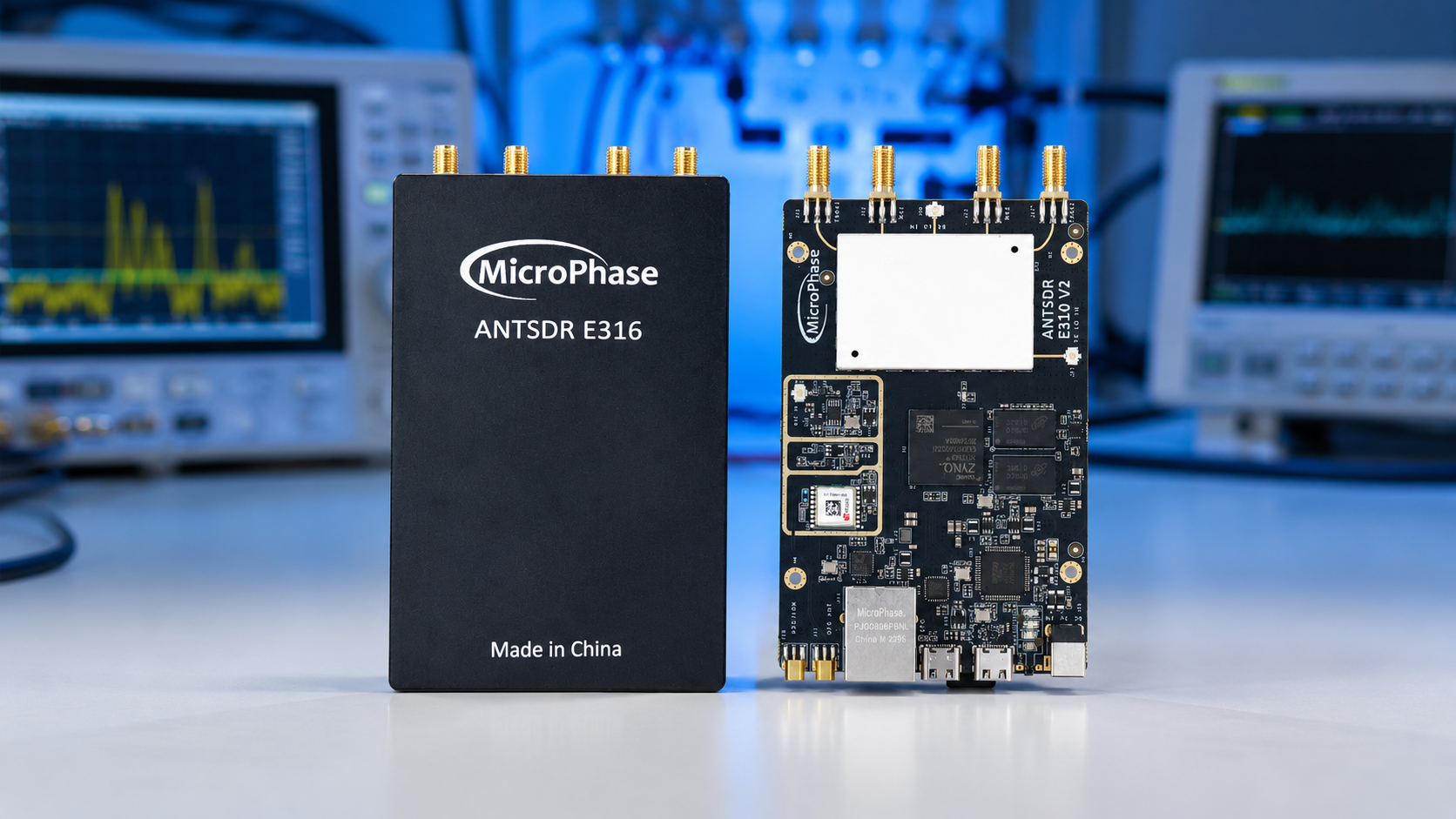
AD9361 vs AD9363 SDR Boards: Bandwidth, MIMO, Use Cases, and Buyer Advice
Updated: June 2026. This guide compares AD9361 and AD9363 SDR boards for bandwidth, tuning range, MIMO, transmit and receive channels, PlutoSDR-style devices, USRP B210, GNU Radio, OpenAirInterface, srsRAN, university labs, wireless research, and...
06/09/2026
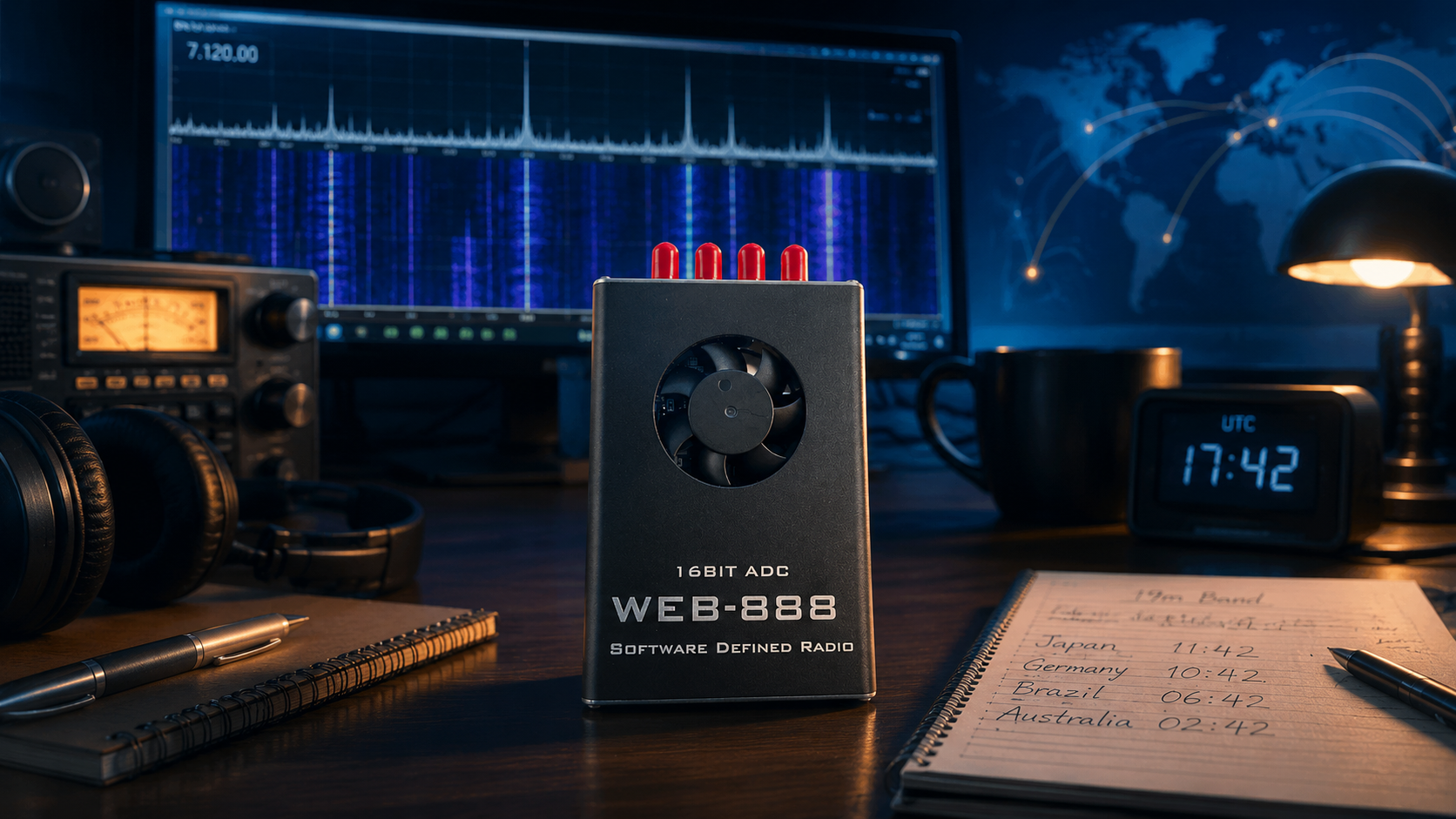
Best SDR for Shortwave Listening in 2026
Updated: June 2026. This guide compares the best SDR receivers, antennas, software, and remote-listening options for shortwave radio, HF amateur bands, international broadcasts, digital modes, portable listening, and browser-based monitoring....
06/09/2026
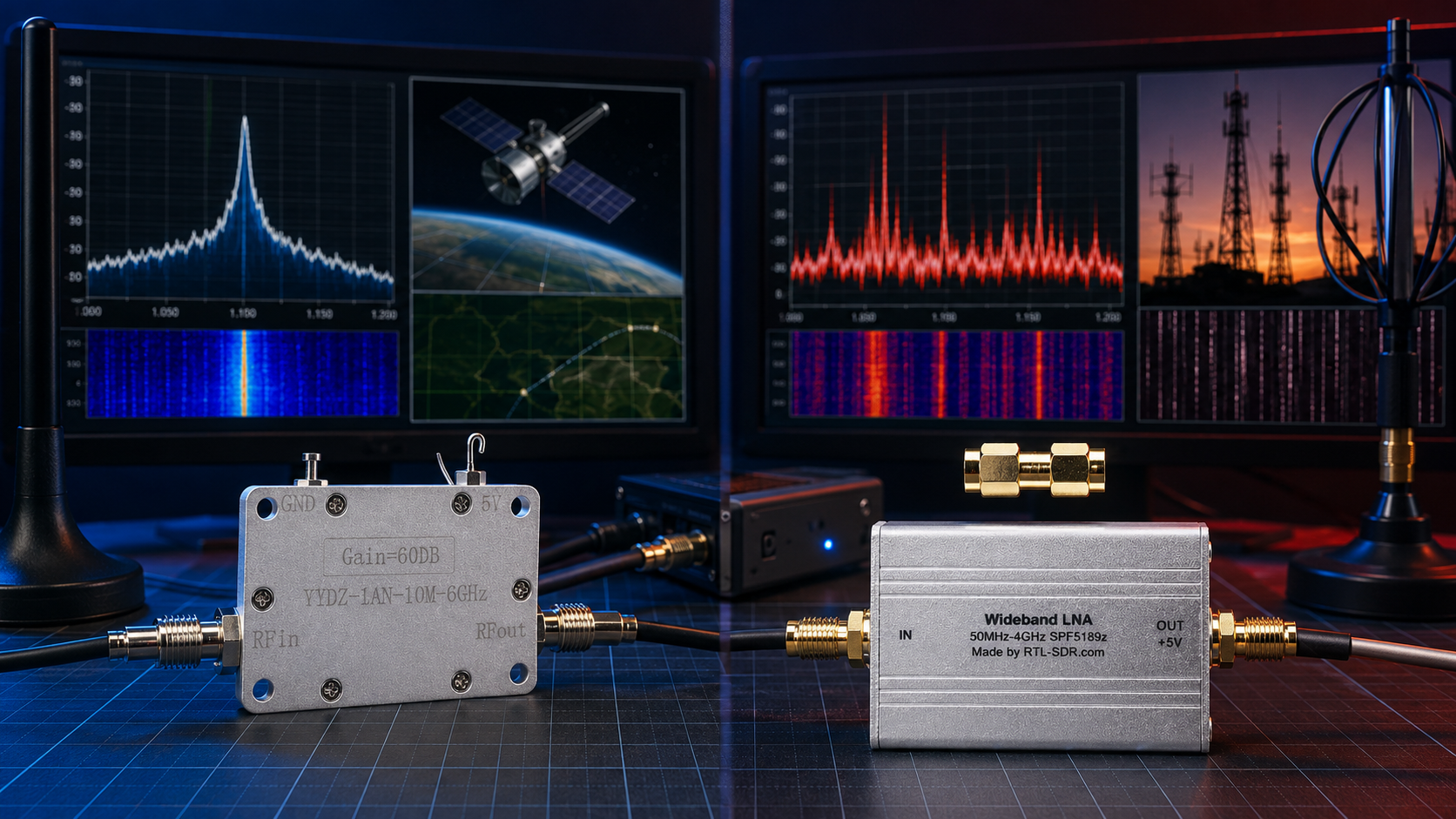
Do You Need an LNA for SDR? When It Helps and When It Makes Signals Worse
Updated: June 2026. This guide explains when a low-noise amplifier improves SDR reception, when it causes overload and intermodulation, where it should be installed, how filters change the result, and how to choose an LNA for RTL-SDR, ADS-B,...
06/09/2026
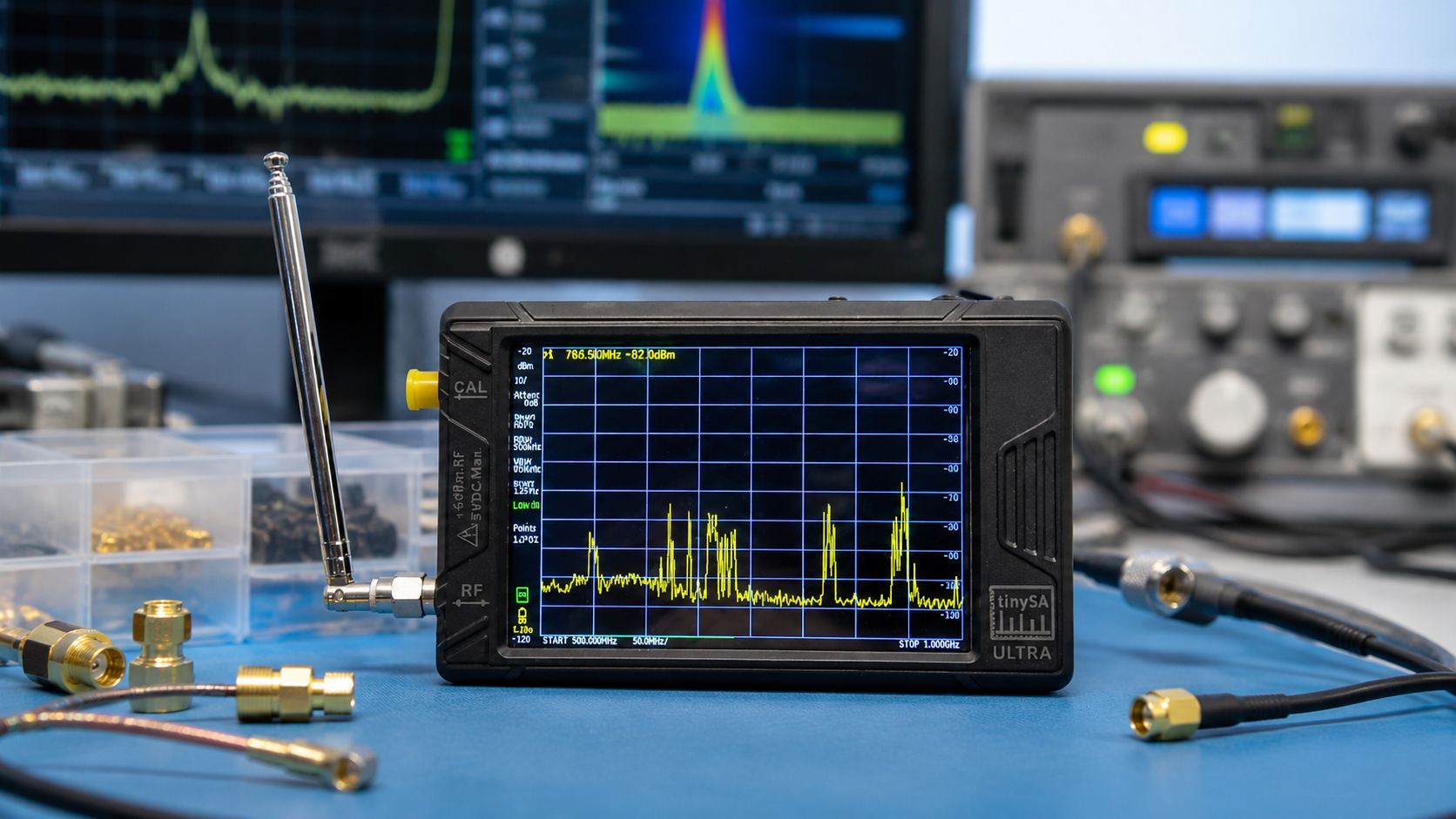
TinySA Ultra Setup Guide: Spectrum Scanning, Signal Generator, LNA, and Attenuator
Updated: June 2026. This TinySA Ultra setup guide explains first-use calibration, spectrum scanning, frequency settings, markers, resolution bandwidth, waterfall display, the built-in LNA, internal and external attenuation, signal-generator mode, safe...