



06/17/2026
Detecting Rogue Wireless Devices with SDR: Defensive RF Monitoring Guide
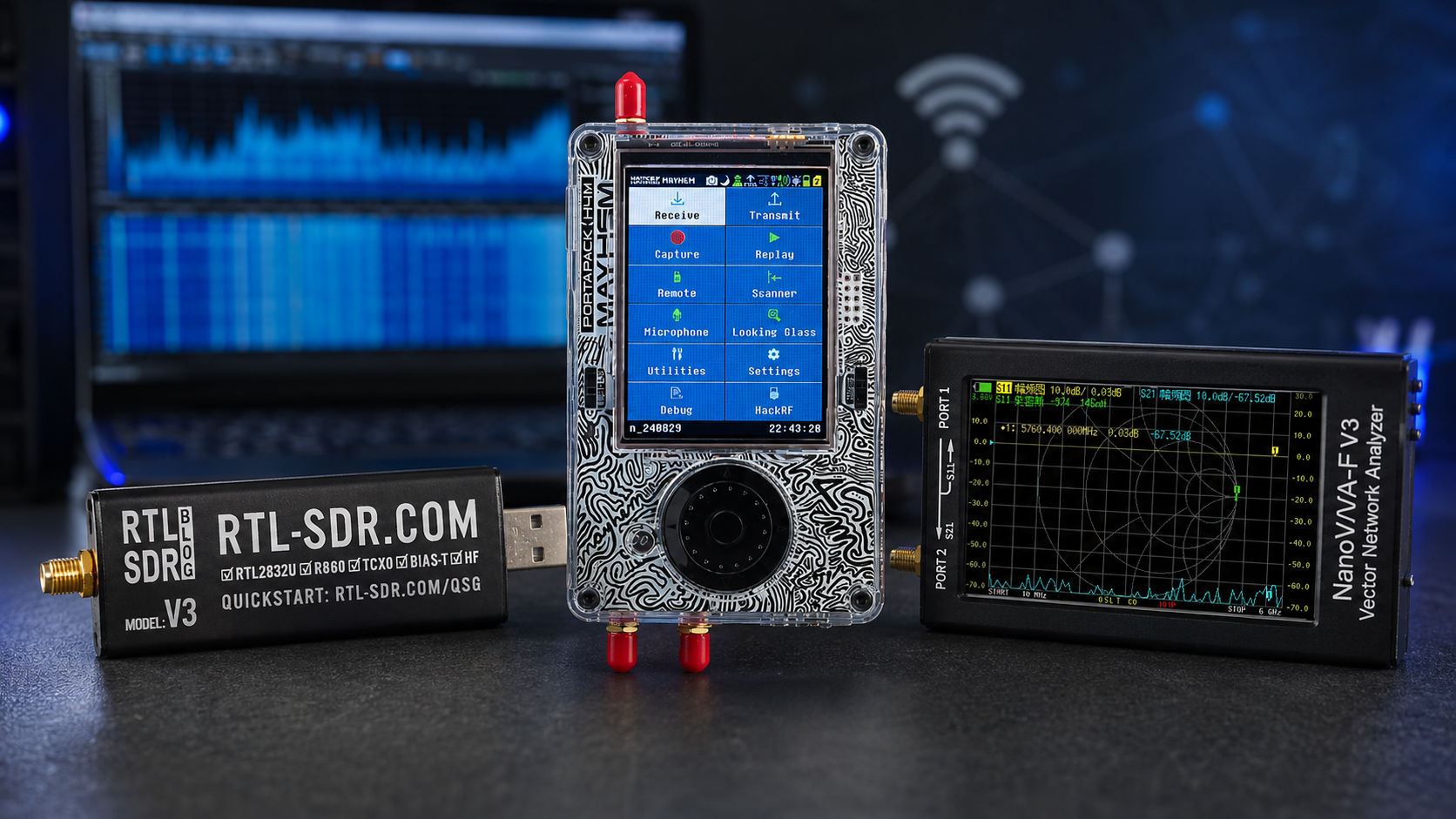
Rogue wireless devices are a real risk for facilities, laboratories, corporate networks, universities, warehouses, data centers, retail sites, factories, and critical infrastructure. A rogue device can be a small Wi-Fi access point hidden under a desk, an...
06/17/2026
WiFi Packet Capture Hardware for Wireless Security Audits
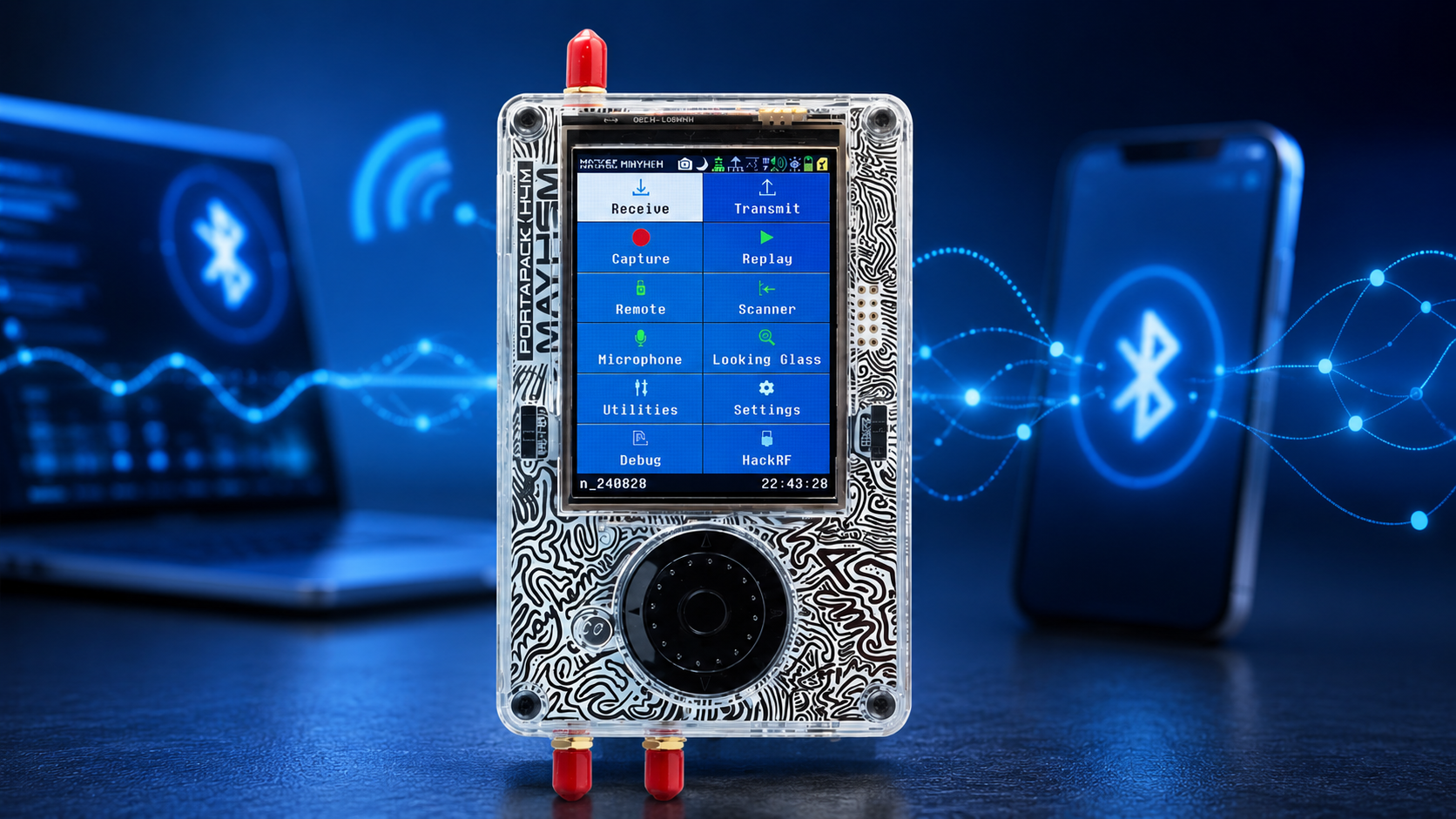
WiFi packet capture is one of the most important skills in an authorized wireless security audit. It allows engineers, cybersecurity teams, universities, and network administrators to inspect 802.11 management frames, beacon frames, probe requests, roaming...
06/17/2026
BLE Sniffing Hardware for Authorized Bluetooth Security Testing
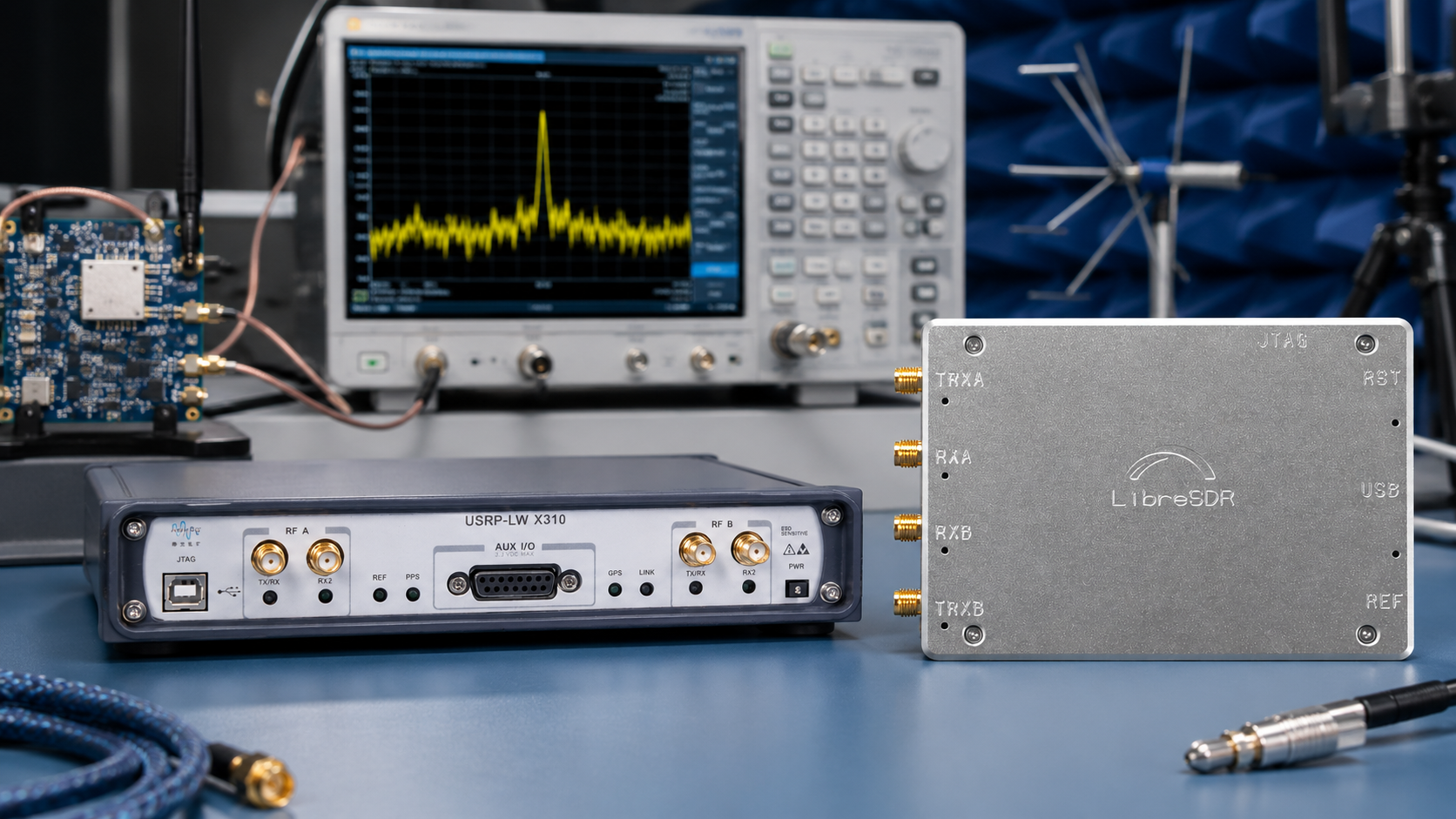
Bluetooth Low Energy is everywhere: smart locks, sensors, medical devices, wearables, asset tags, industrial IoT, beacons, access-control systems, mobile apps, keyboards, headphones, gateways, and connected products. For cybersecurity teams and product...
06/17/2026
SDR Hardware for RF Product Testing: Pre-Compliance, Interference, and Signal Validation
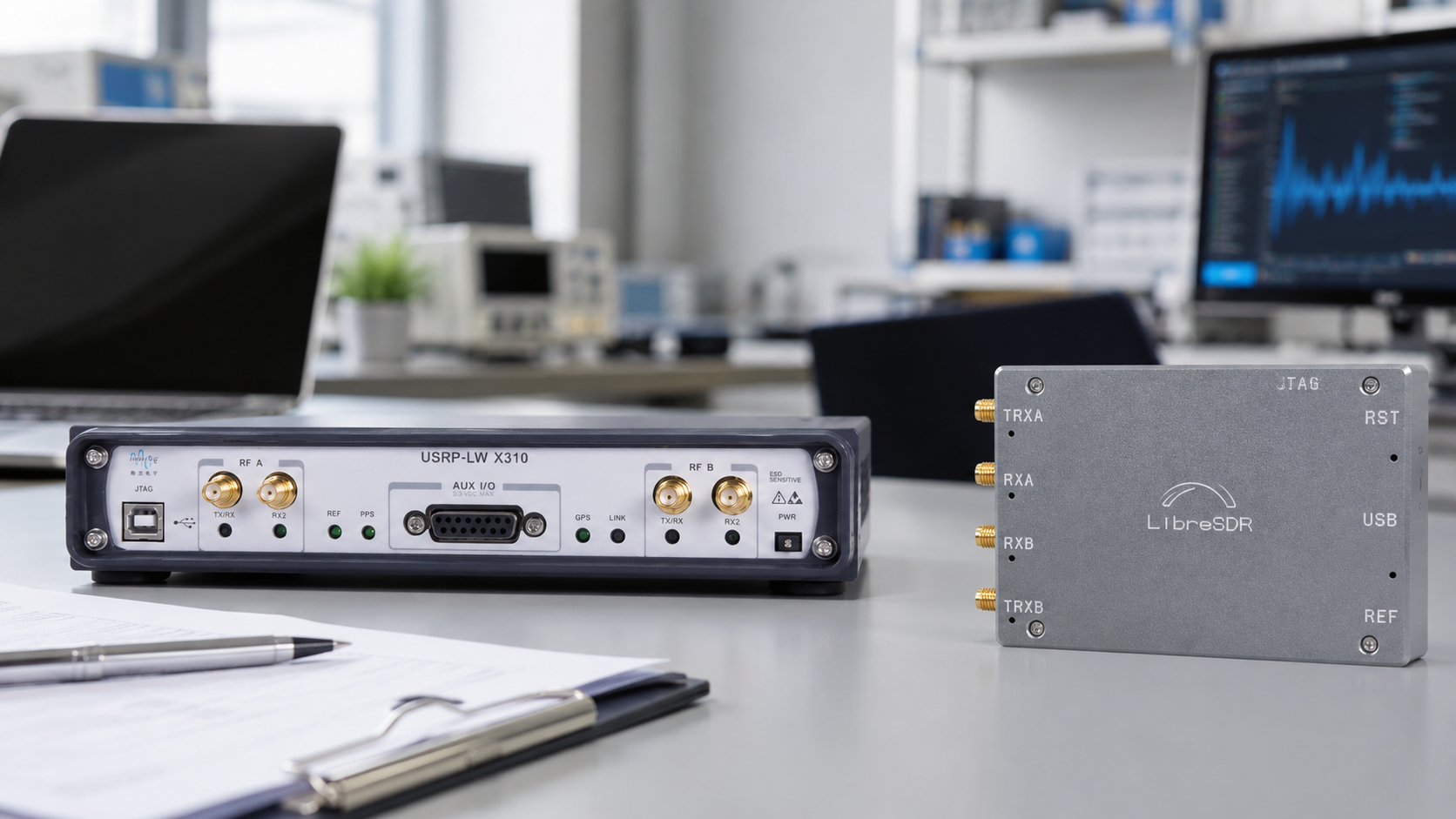
RF product testing is not only for large certification laboratories. If your company builds IoT devices, wireless sensors, antennas, BLE products, LoRa nodes, Sub-GHz transmitters, RF modules, SDR-based prototypes, access-control hardware, telemetry...
06/17/2026
How to Choose SDR Hardware for a Research Grant or University Purchase Order
Choosing SDR hardware for a research grant or university purchase order is different from buying one receiver for personal experiments. A grant-funded SDR purchase must be technically justified, compatible with the project goals, easy to document, and...
06/17/2026
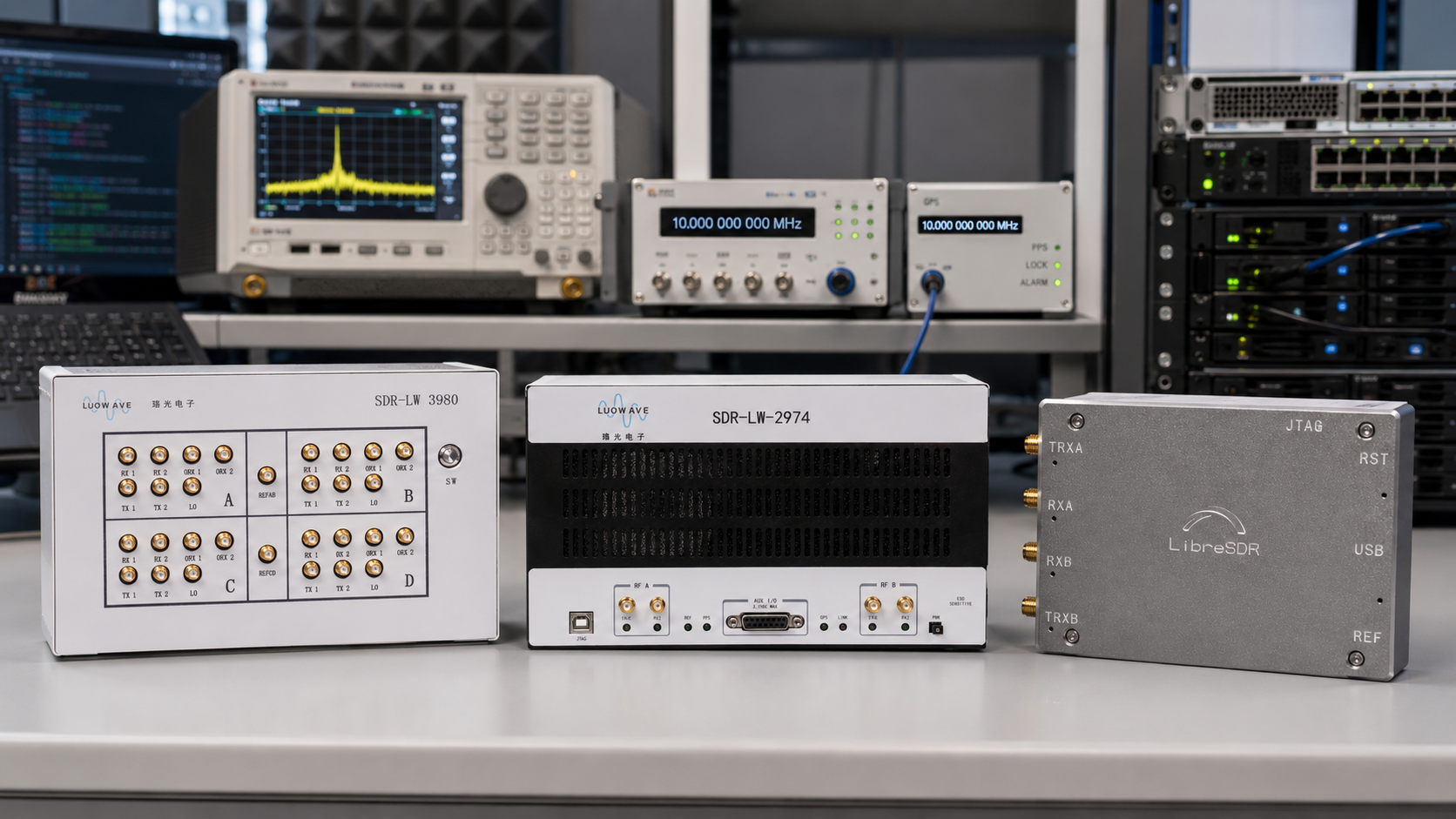
O-RAN Research Lab Hardware: USRP, Compute, Networking, Timing, and RF Test Equipment
Building an O-RAN research lab is not the same as buying one software-defined radio. A useful Open RAN testbed combines SDR or O-RU hardware, real-time compute, fronthaul networking, timing and synchronization, RF safety accessories, antennas, spectrum...
06/17/2026
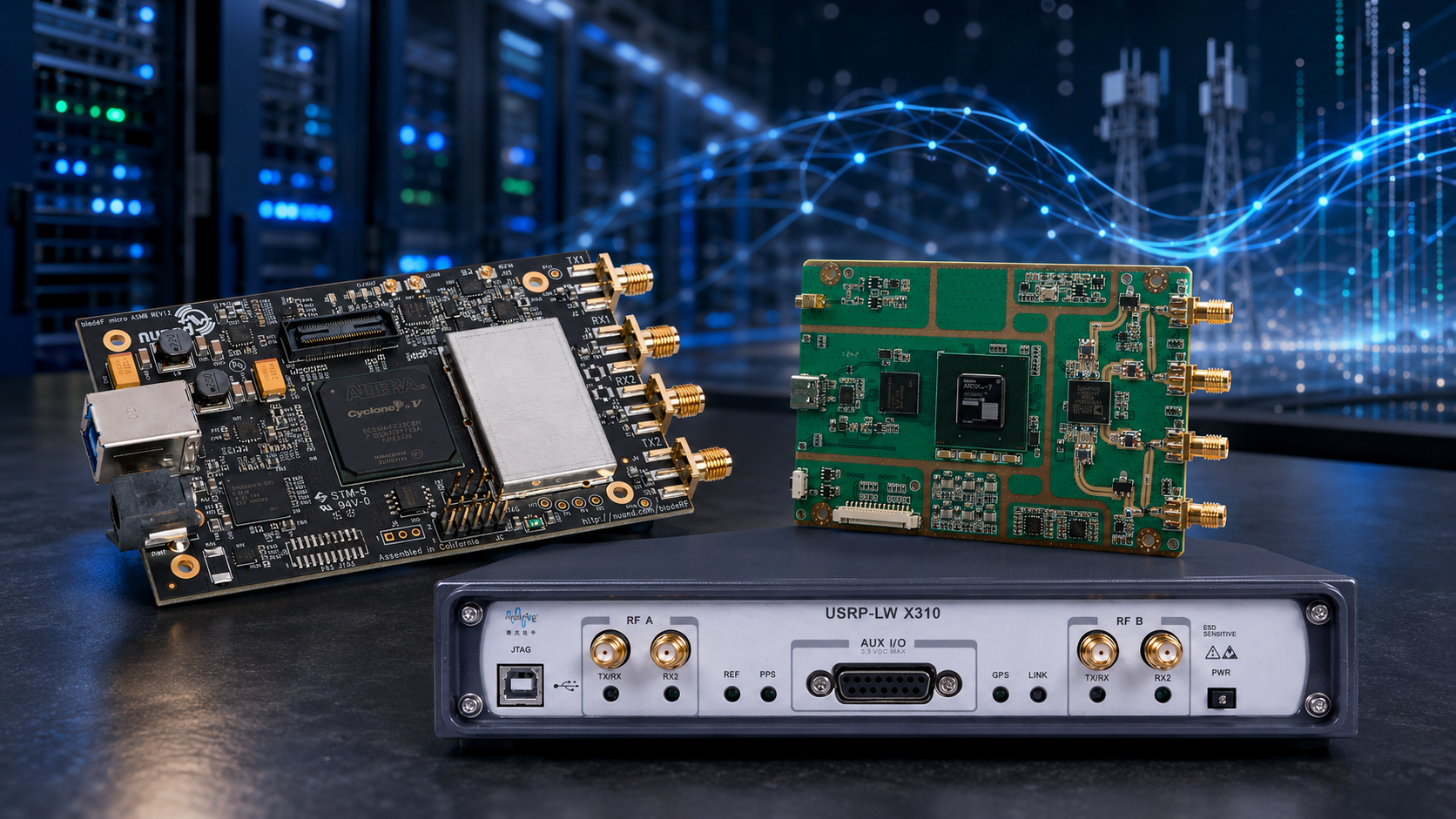
AI-RAN Explained: SDR Hardware for AI-Native 5G and 6G Research
AI-RAN is one of the most important research directions for 5G-Advanced and 6G networks. Instead of treating artificial intelligence as an external optimization tool, AI-RAN brings AI closer to the radio access network: into the RAN stack, onto shared RAN...
06/17/2026
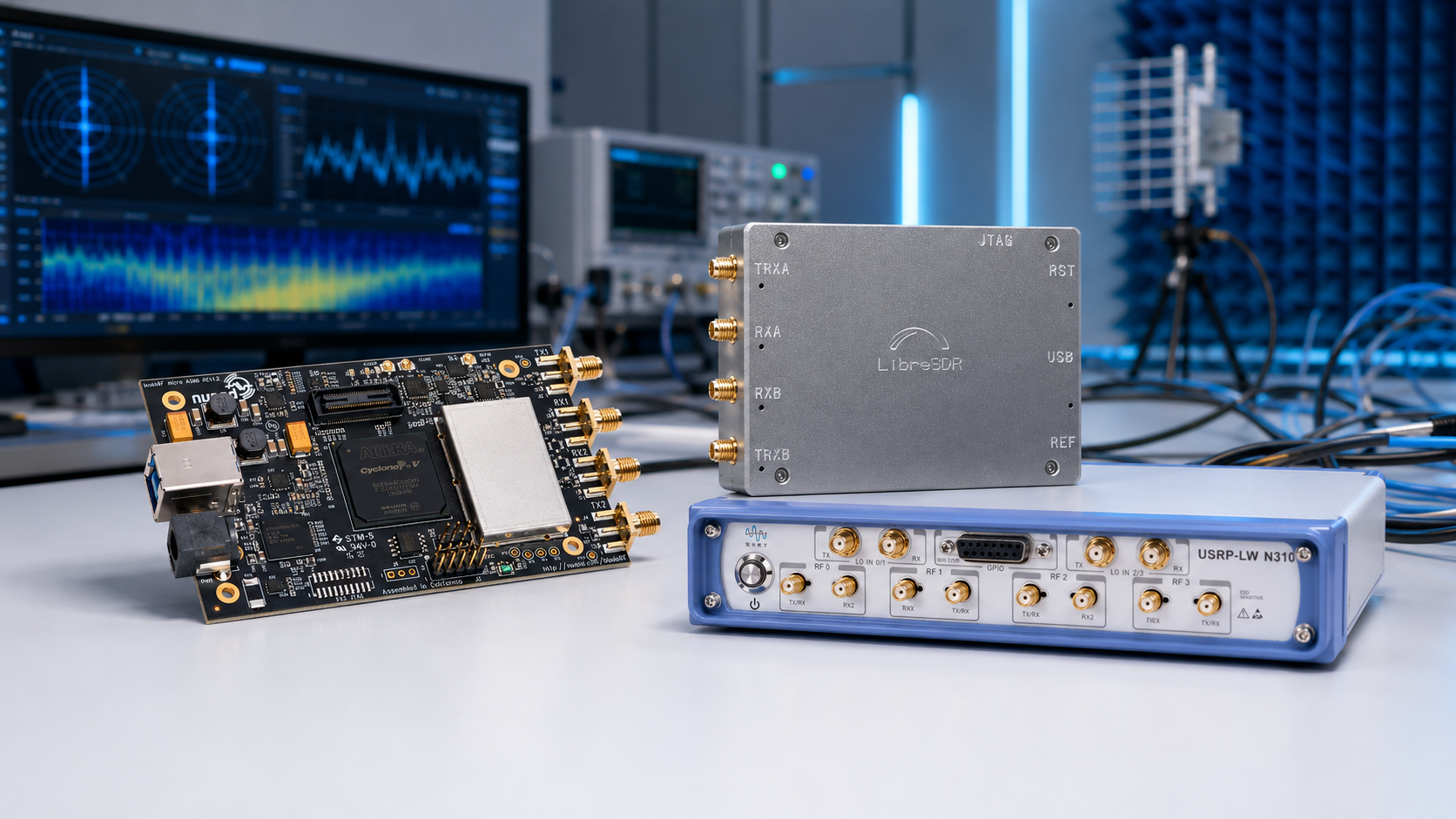
SDR for 6G Research: AI-RAN, O-RAN, MIMO, ISAC, and FR3 Experimentation
6G research is moving beyond faster mobile broadband. The next generation of wireless research includes AI-native radio access networks, O-RAN control loops, massive and distributed MIMO, integrated sensing and communication, edge AI, digital twins,...
06/17/2026
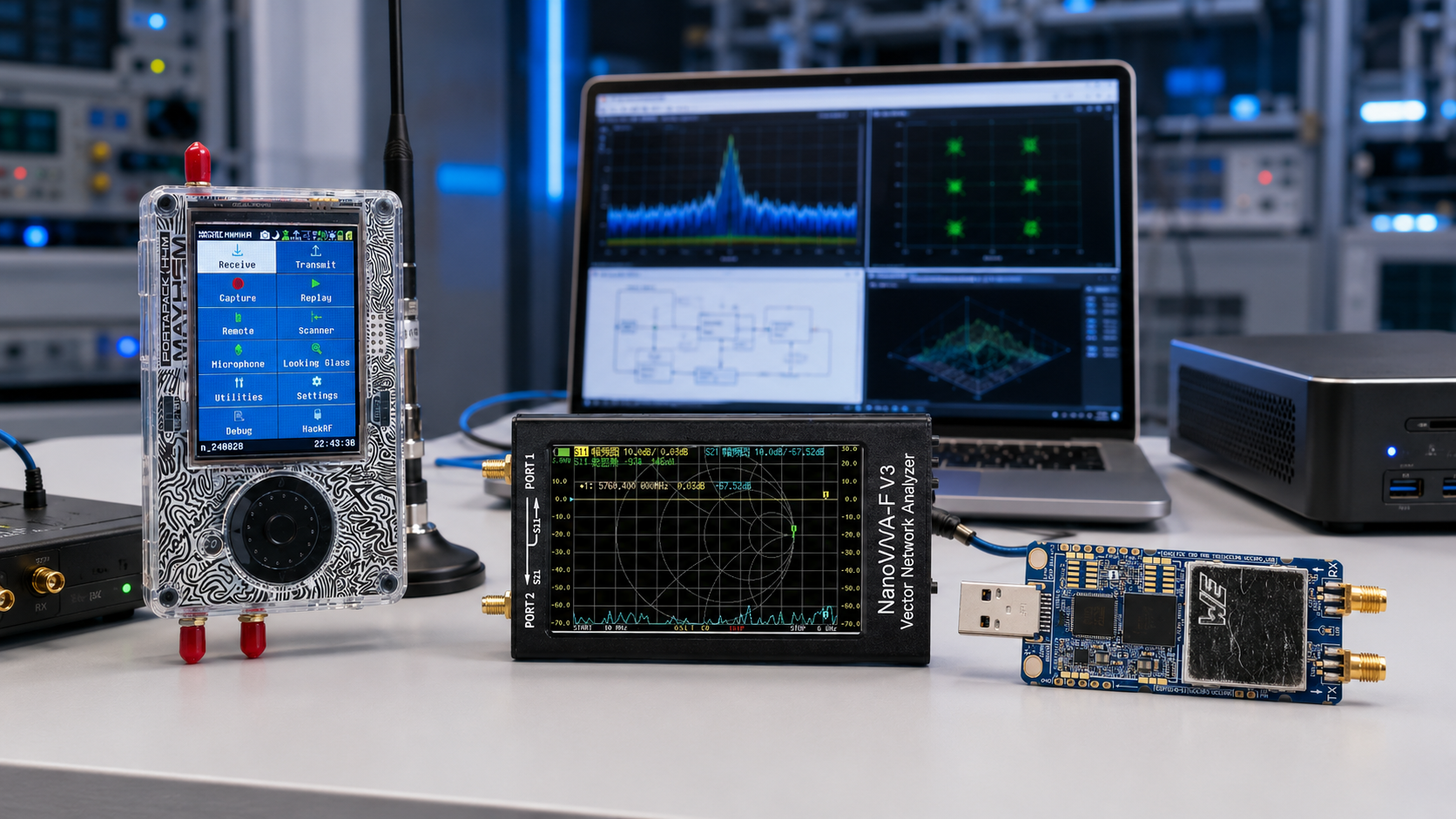
5G OAI Neural Receiver Testbed: What Hardware Does a Lab Need?
A 5G OAI neural receiver testbed is one of the most practical ways to move AI-RAN research from simulation into real wireless experiments. Instead of only training a neural receiver in a simulator, the lab runs a real OpenAirInterface-based 5G NR system,...
06/16/2026
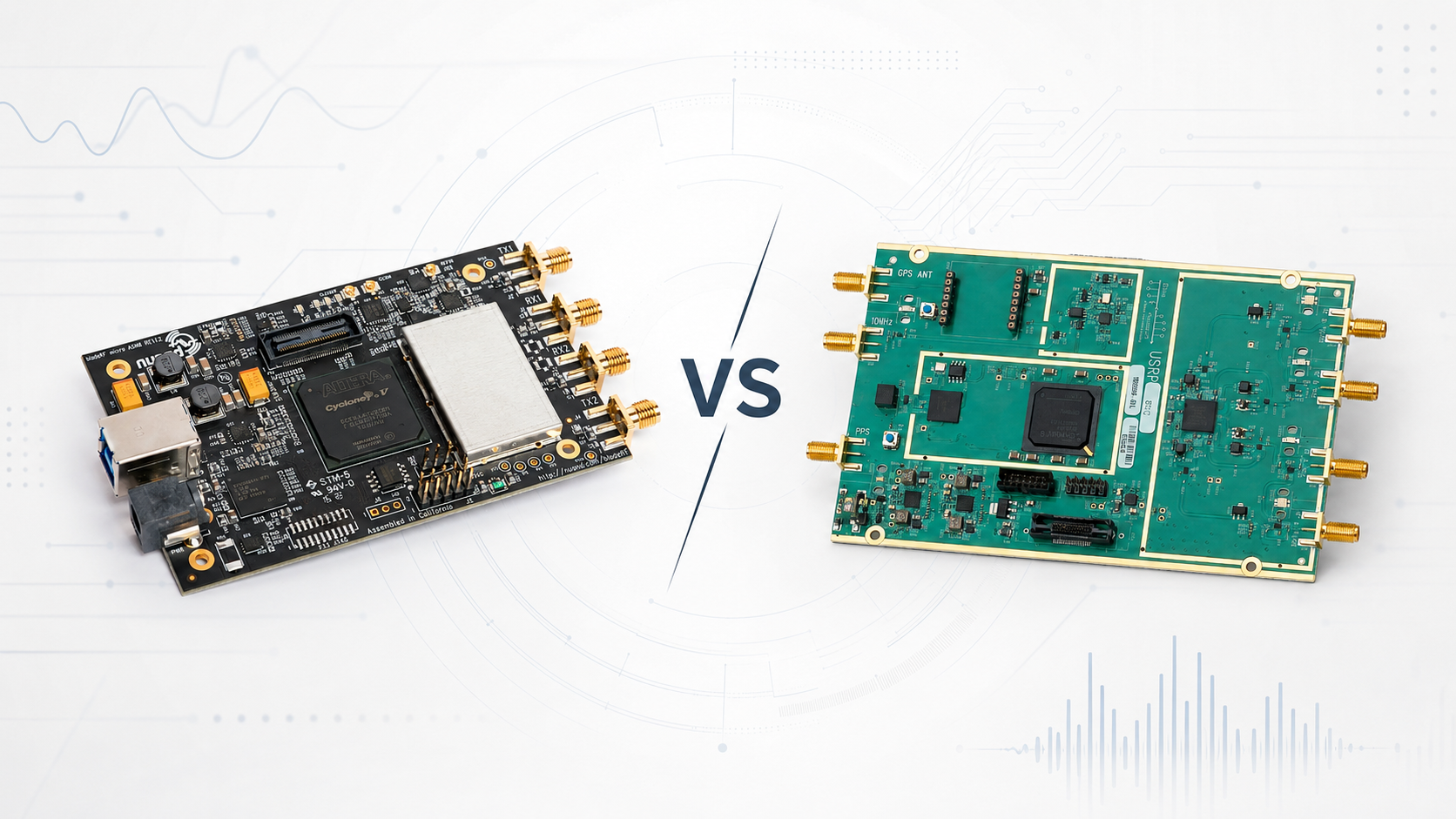
bladeRF 2.0 micro vs USRP B210: Which 2×2 MIMO SDR Is Better for Research?
bladeRF 2.0 micro and USRP B210 are two of the most interesting compact 2×2 MIMO software-defined radios for research labs. Both are USB-connected, both can handle serious wireless experimentation, and both are suitable for GNU Radio, MIMO learning,...
06/16/2026
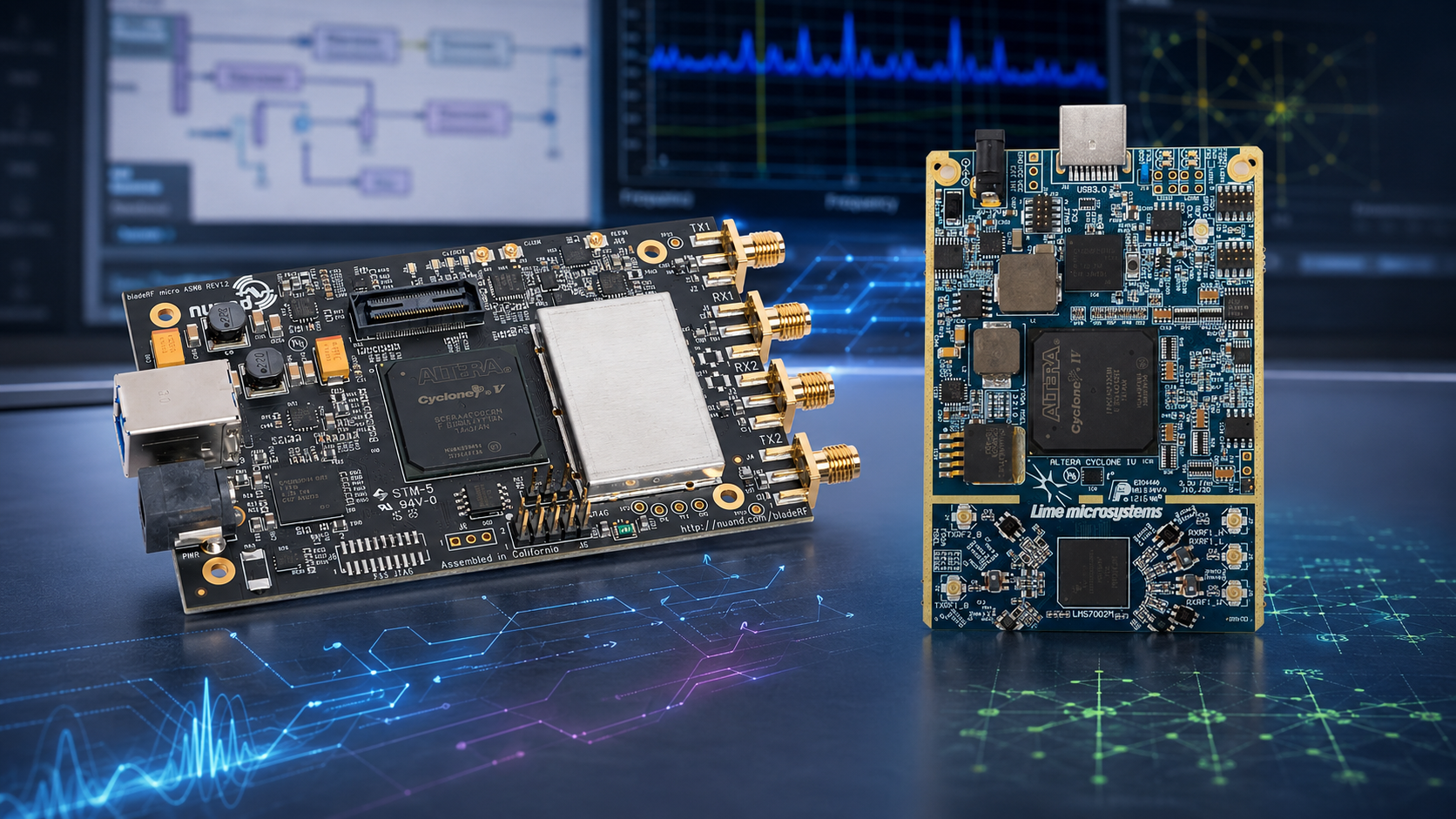
bladeRF vs LimeSDR: Which SDR Is Better for MIMO, GNU Radio, and FPGA Development?
bladeRF and LimeSDR are two well-known software-defined radio families for wireless research, GNU Radio projects, MIMO experimentation, and FPGA-oriented development. Both can be excellent choices, but they are not aimed at exactly the same buyer....
06/16/2026
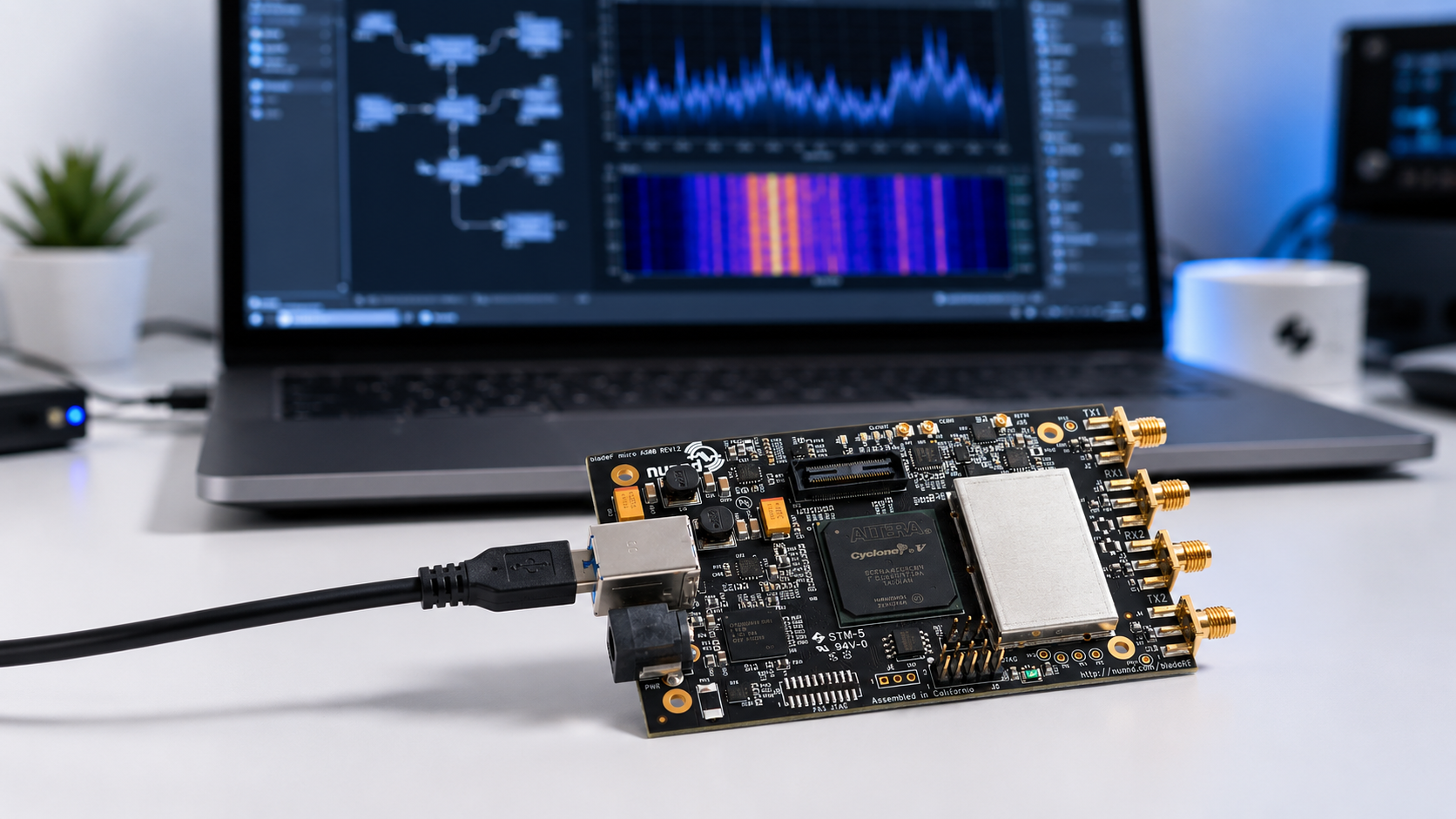
bladeRF 2.0 micro Setup Guide: Drivers, libbladeRF, FPGA Image, and GNU Radio
bladeRF 2.0 micro is a powerful 2×2 MIMO software-defined radio for GNU Radio projects, custom waveform development, wireless research, FPGA experimentation, university labs, and RF engineering. Before you can use it reliably, you need the correct drivers,...
06/16/2026
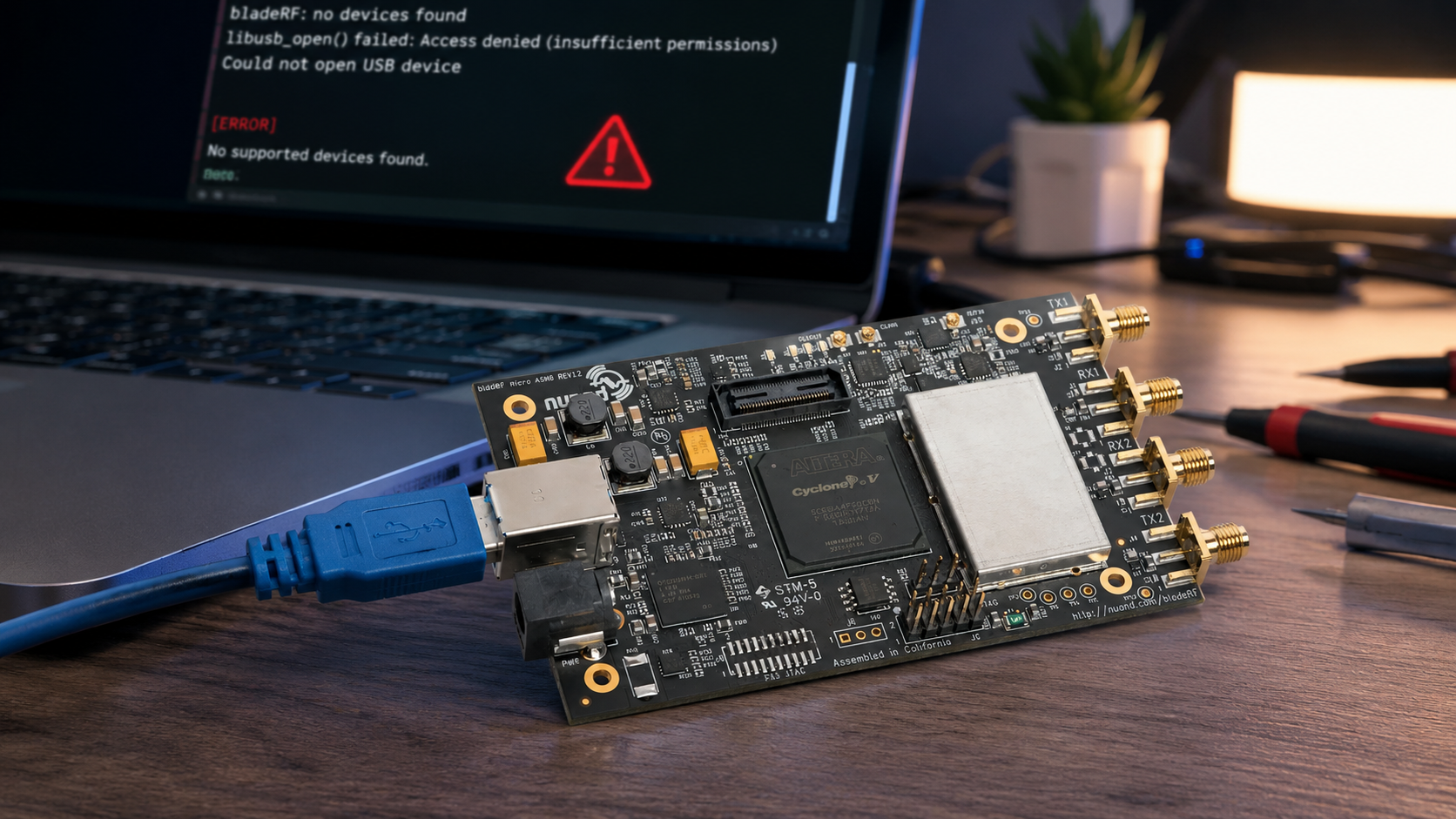
bladeRF Not Detected? Fix USB 3.0, Firmware, FPGA Image, and libbladeRF Issues
If your bladeRF 2.0 micro is not detected, the problem is usually in one of four places: the USB connection, the operating-system driver or permissions, the libbladeRF installation, or the FPGA image. GNU Radio problems are often a separate layer, so you...
06/16/2026
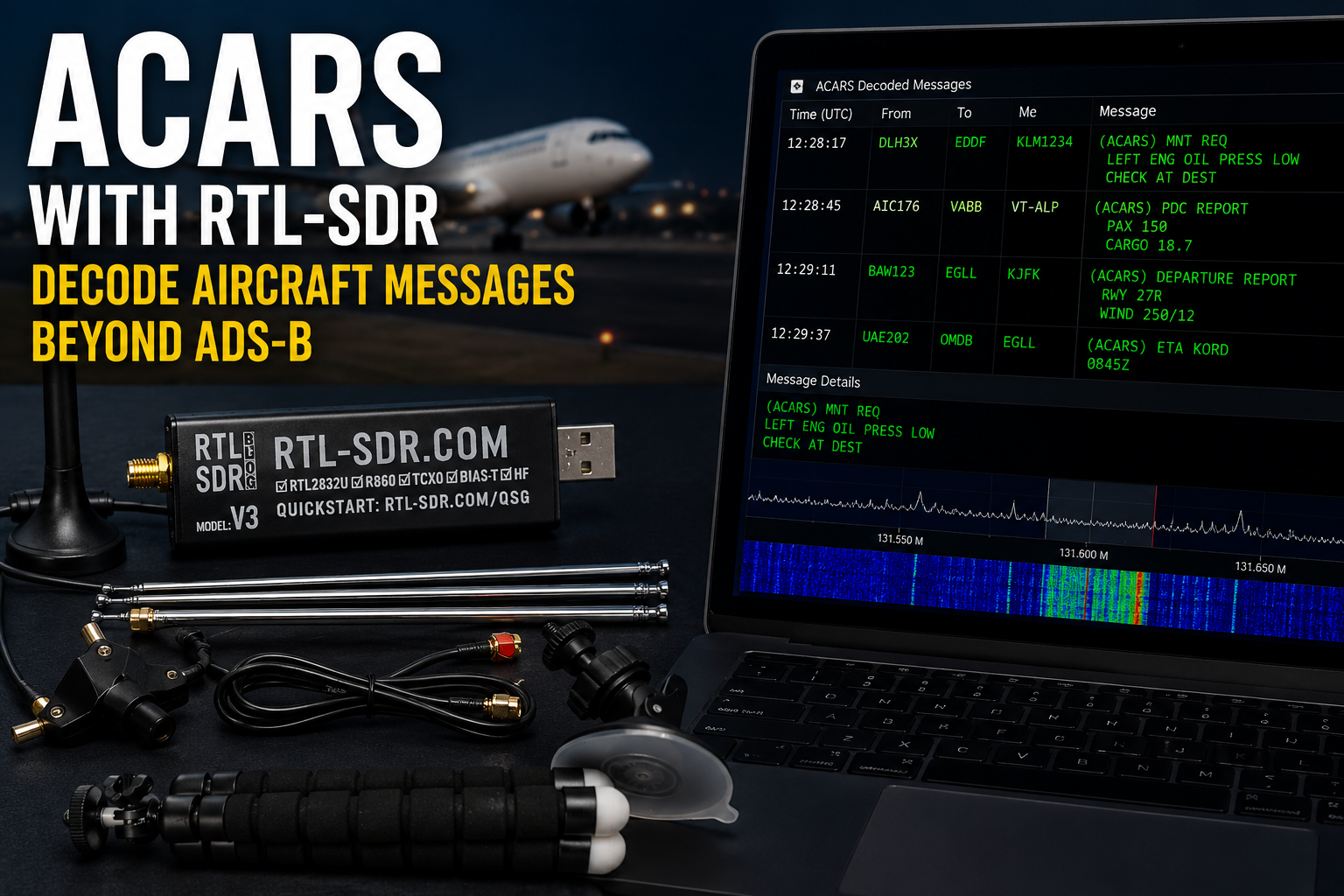
ACARS with RTL-SDR: Decode Aircraft Messages Beyond ADS-B
ADS-B is the most popular aircraft-tracking project for RTL-SDR users, but it is not the only aviation signal you can receive. If you want to go beyond dots on a map, ACARS and VDL Mode 2 can show short aircraft operational messages, airline datalink...
06/16/2026
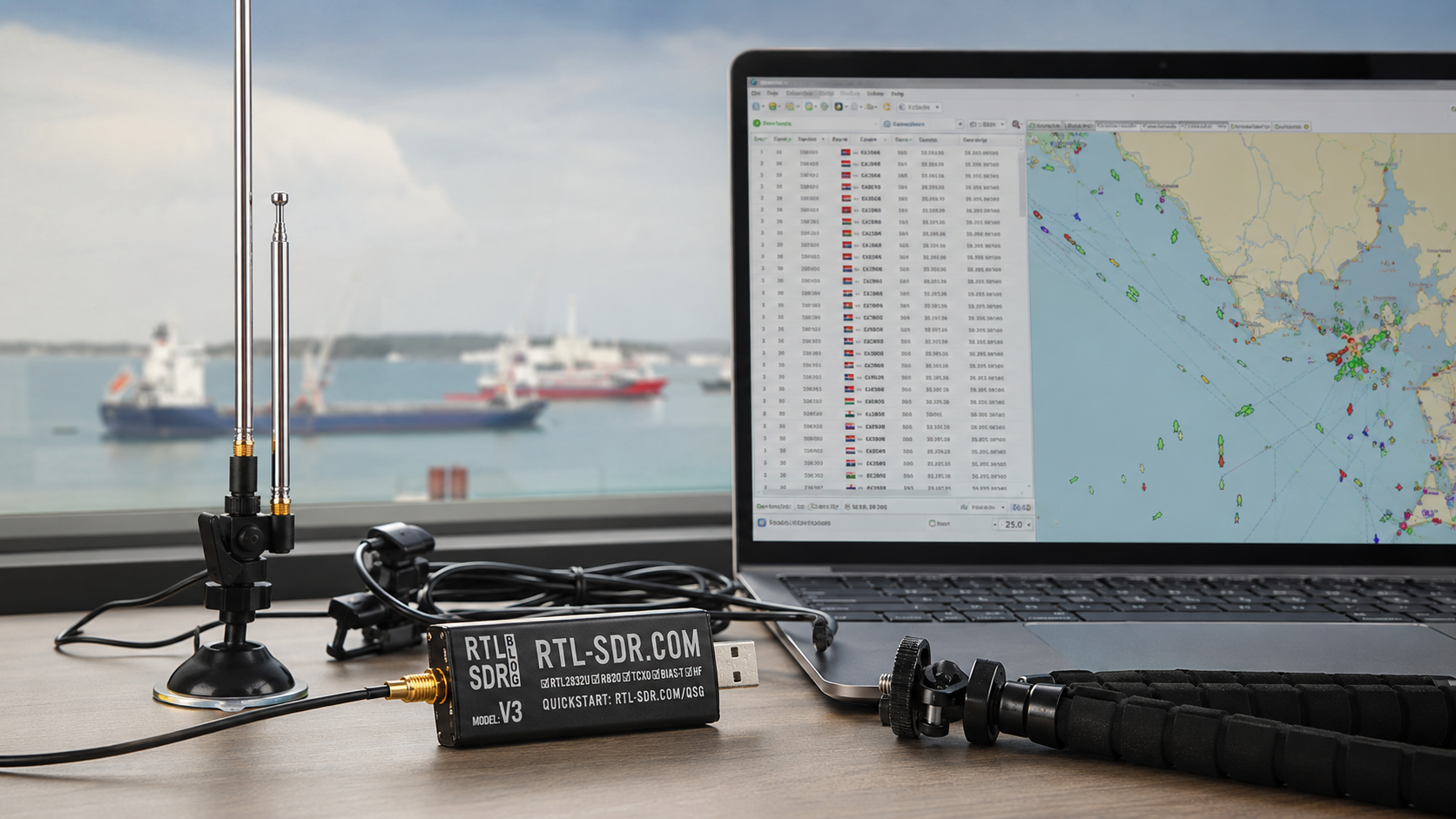
AIS Ship Tracking with RTL-SDR: Antenna, Software, and Setup Guide
AIS ship tracking is one of the best RTL-SDR projects after ADS-B aircraft tracking. With a low-cost receive-only SDR, a suitable VHF marine antenna, and free decoder software, you can receive Automatic Identification System broadcasts from nearby ships...
06/16/2026
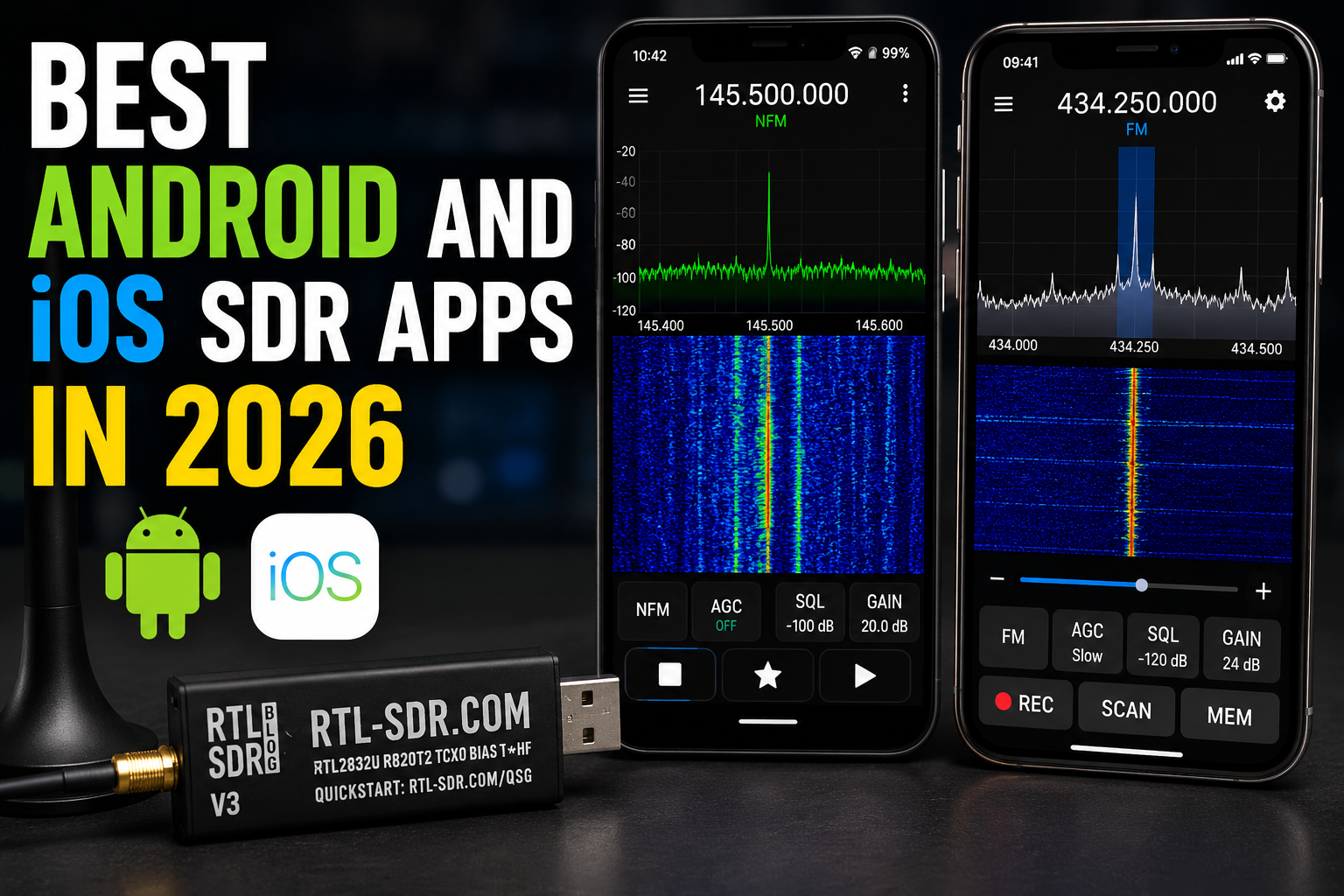
Best Android and iOS SDR Apps in 2026
Mobile SDR has improved a lot, but Android and iOS are still very different platforms for software-defined radio. Android can work with many SDR receivers directly over USB OTG. iPhone and iPad usually work better with remote SDR servers, rtl_tcp streams,...
06/16/2026
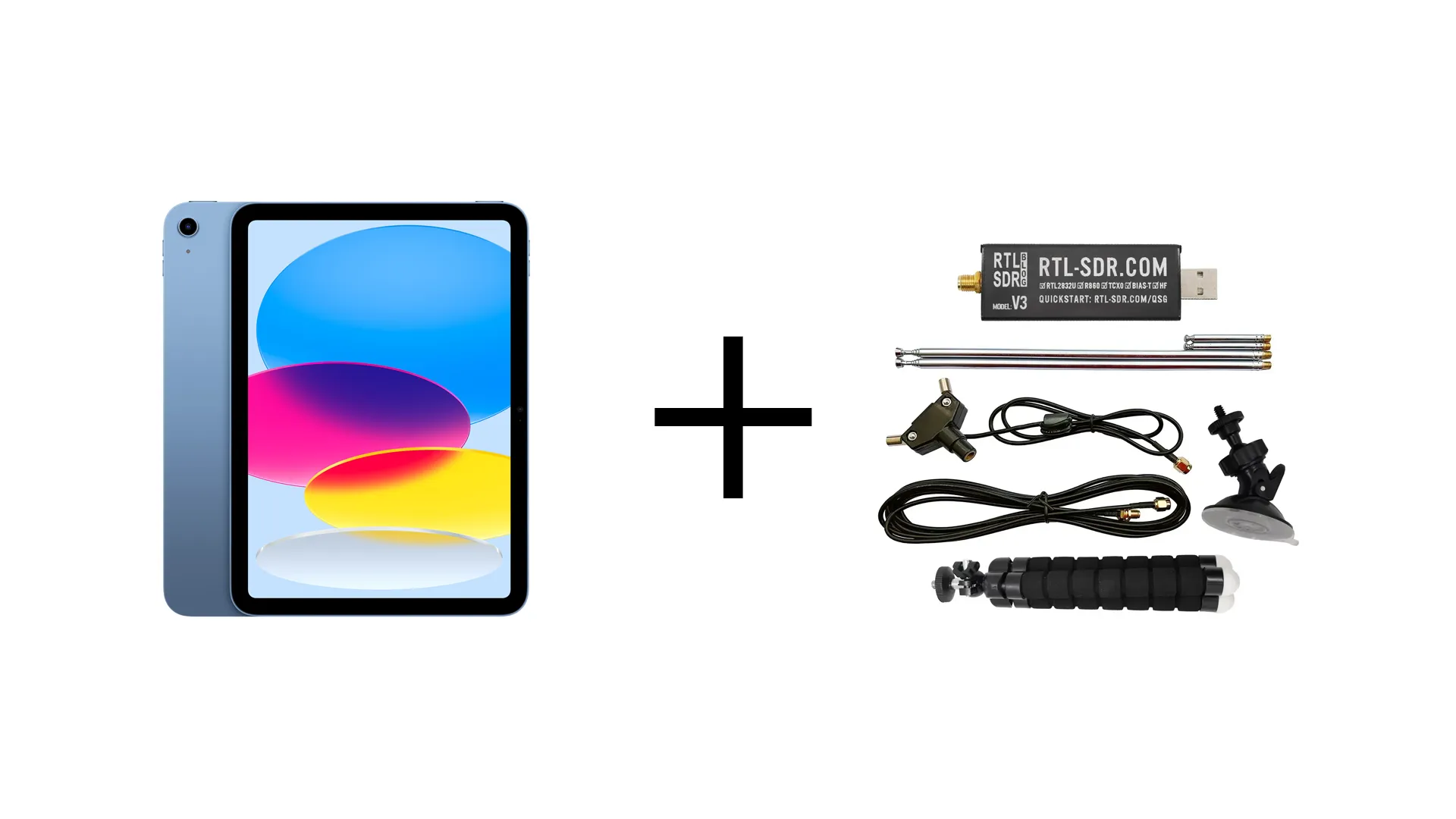
RTL-SDR on iPad: Direct USB Support, Apps, Cables, and Limitations
Many iPad users want to plug an RTL-SDR dongle directly into the USB-C port and use the tablet as a portable software-defined radio. The idea makes sense: modern iPads have powerful processors, bright displays, USB-C ports, long battery life, and excellent...
06/16/2026
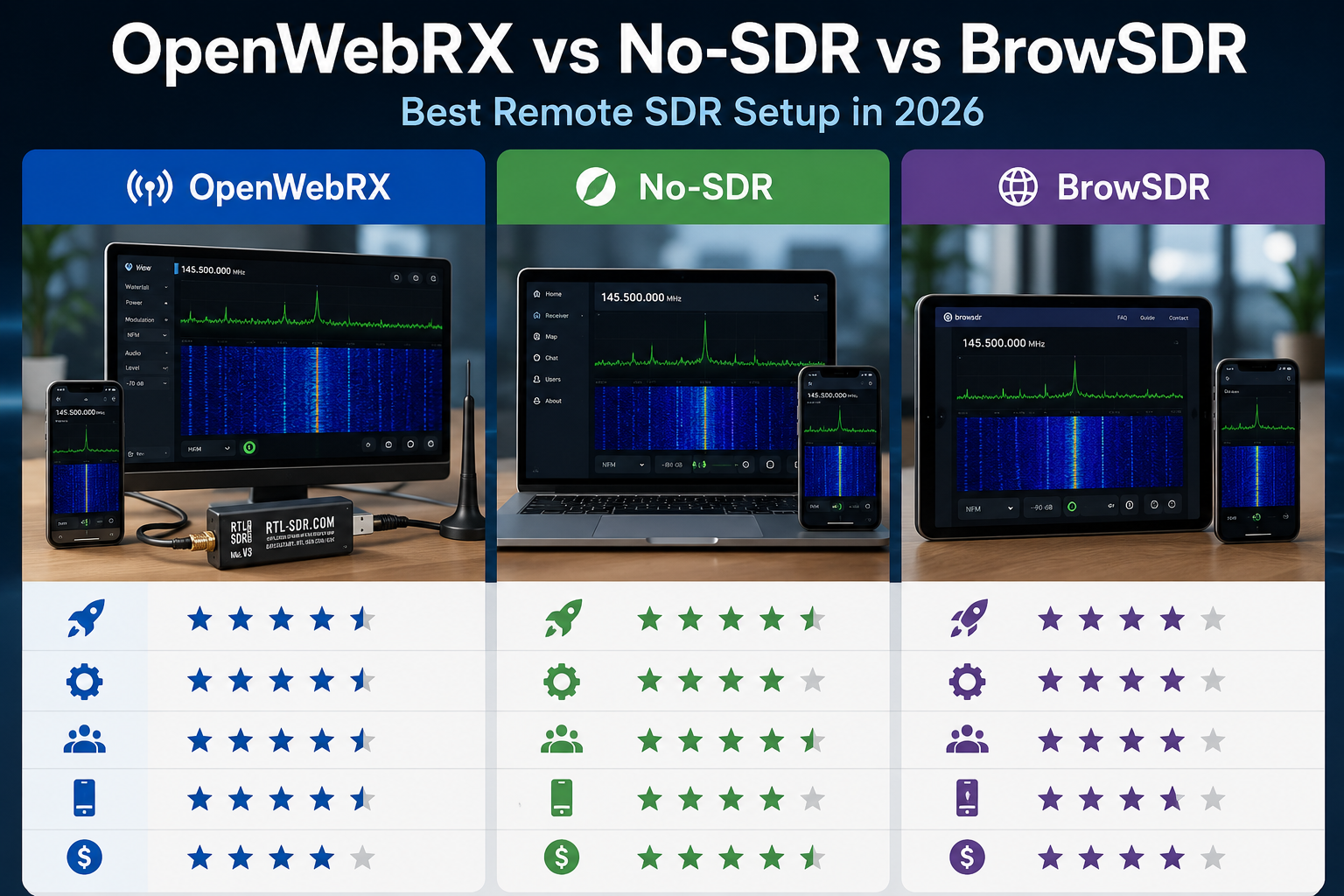
OpenWebRX vs No-SDR vs BrowSDR: Best Remote SDR Setup in 2026
Remote SDR is one of the most useful ways to run a software-defined radio. Instead of keeping the SDR dongle next to your laptop, you can place the receiver close to a better antenna, run the software on a Raspberry Pi or mini PC, and listen from a browser...
06/12/2026
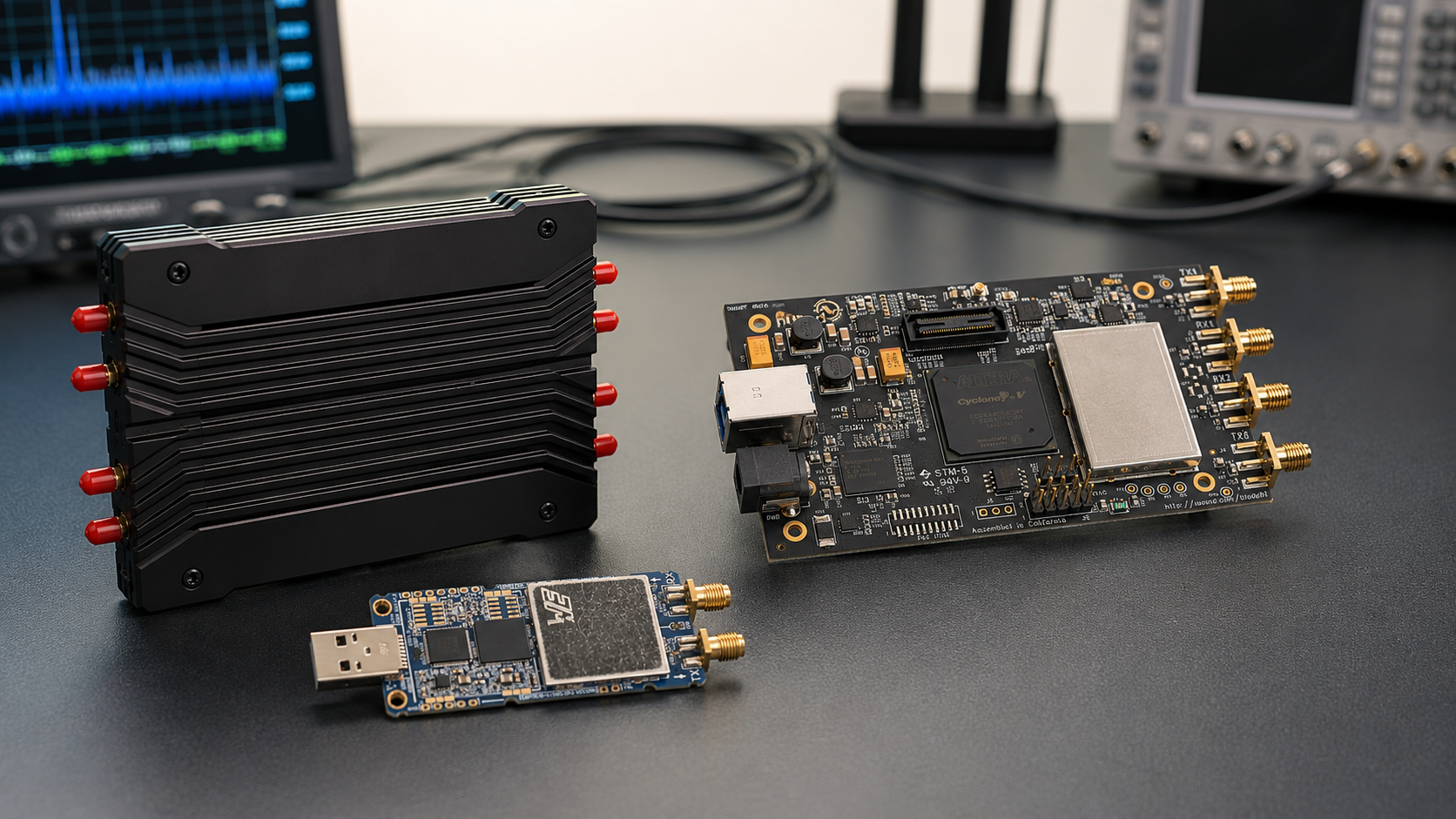
2x2 MIMO SDR Explained: USRP B210, PLUTO+, bladeRF, LimeSDR, and Research Use Cases
Updated: June 2026. This guide explains 2×2 MIMO software-defined radio hardware, including USRP B210, PLUTO+ SDR, bladeRF 2.0 micro, LimeSDR USB, LimeSDR Mini, GNU Radio, university labs, private 5G, OpenAirInterface, srsRAN, channel estimation,...
06/12/2026
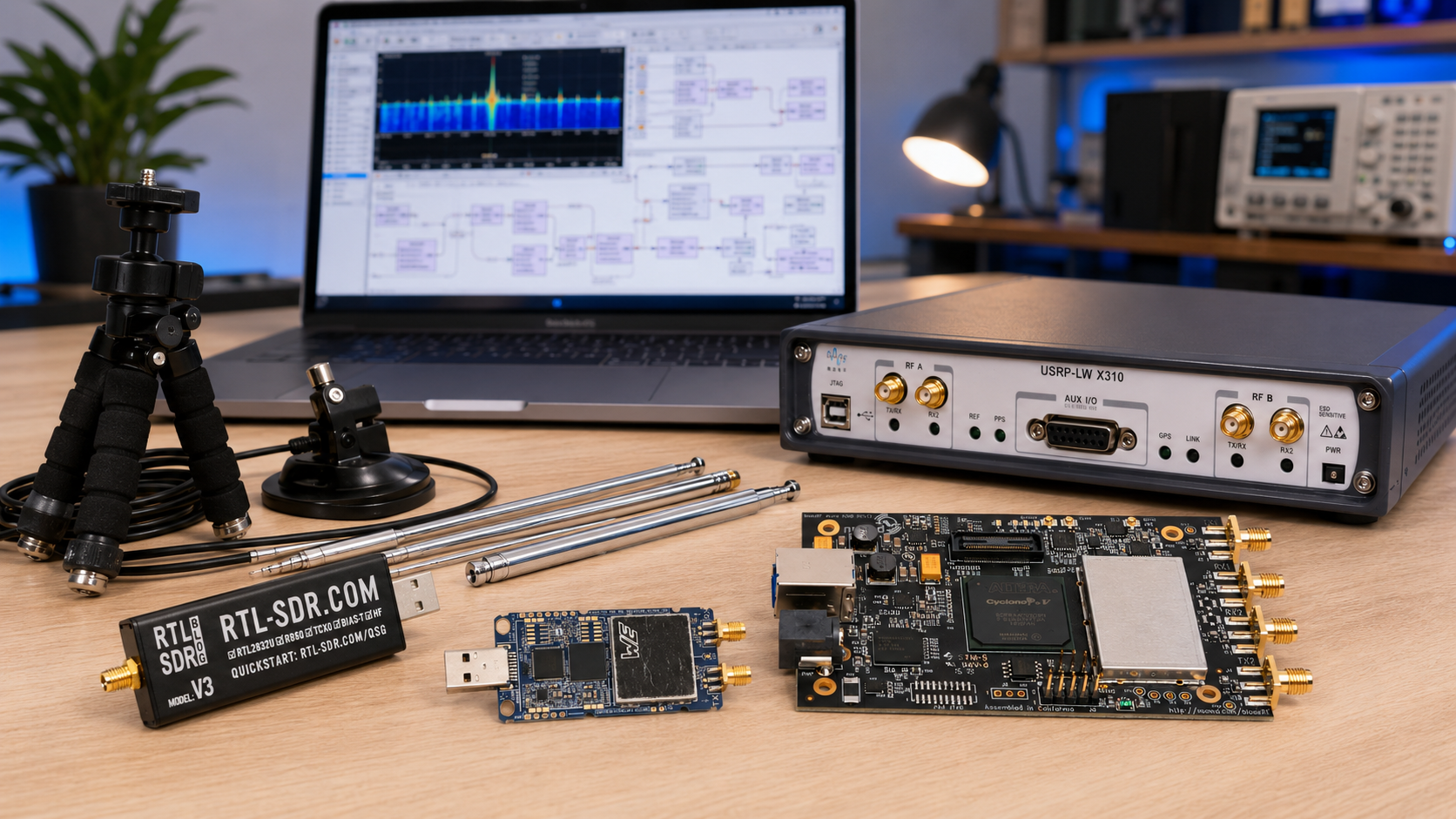
Best SDR for GNU Radio Projects: RTL-SDR, HackRF, PlutoSDR, bladeRF, and USRP
Updated: June 2026. This guide compares the best SDR hardware for GNU Radio projects, including RTL-SDR, HackRF One, HackRF Pro, PlutoSDR, PLUTO+ SDR, bladeRF 2.0 micro, and USRP B210. It covers beginner receiving, spectrum analysis, transmit and...