





Best SDR for GNU Radio Projects: Student, Hobbyist, Lab, and Research Setups
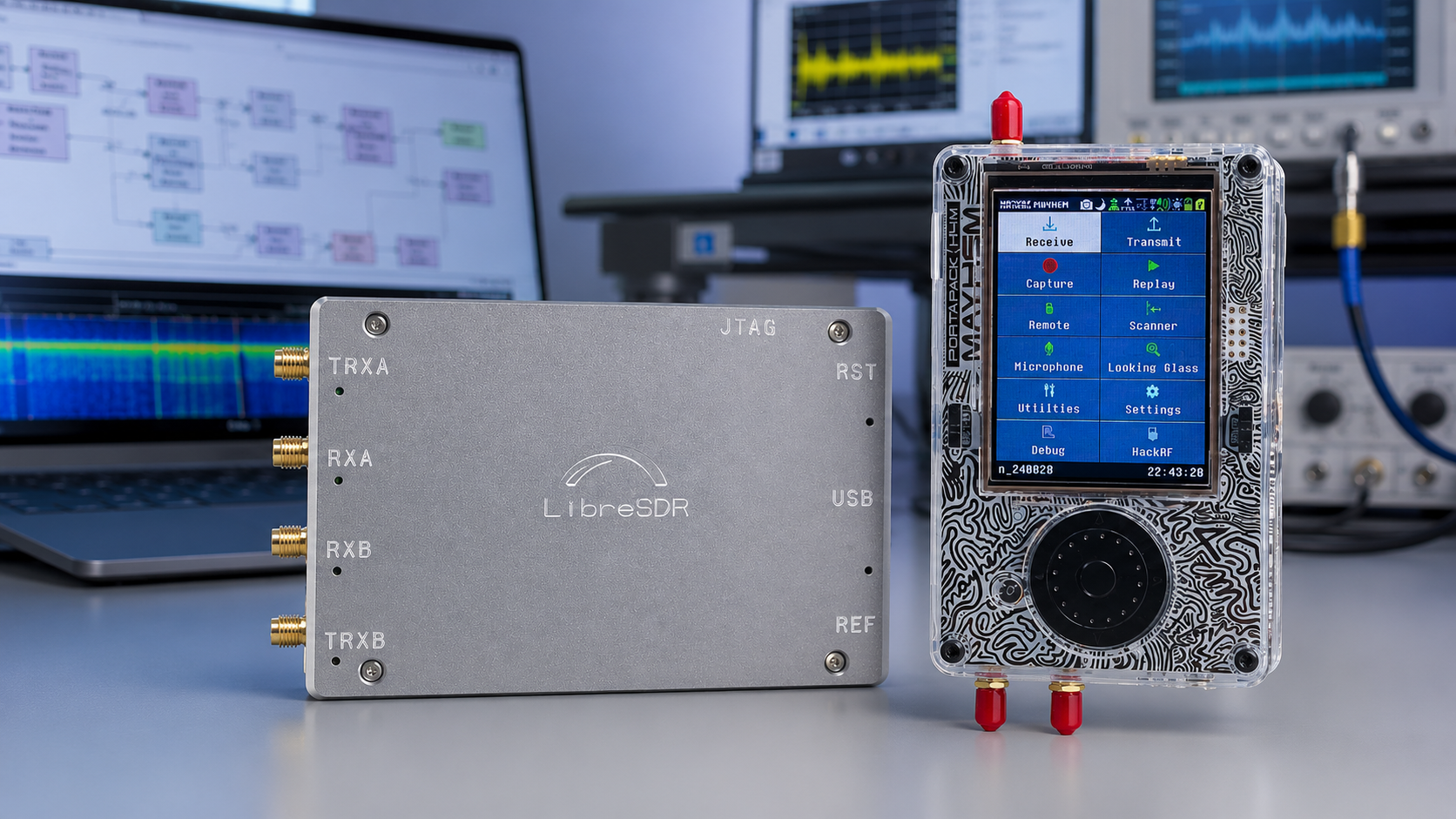
GNU Radio is one of the best platforms for learning, prototyping, and researching software-defined radio. It can be used for simple receive-only lessons, spectrum analysis, digital modulation, packet radio, LoRa experiments, RF cybersecurity training, MIMO research, private 5G labs, and advanced wireless communications projects.
The hard part is choosing the right SDR hardware. A student learning GNU Radio for the first time does not need the same device as a research lab building a 2×2 MIMO testbed. A hobbyist may want wide frequency coverage and transmit capability, while a university may need reliable drivers, repeatable lab worksheets, and hardware that survives many student sessions.
This guide compares the best SDR hardware for GNU Radio projects by setup type: student, hobbyist, teaching lab, RF cybersecurity lab, and research lab. It covers RTL-SDR, HackRF Pro, ADALM-Pluto, PLUTO+ SDR, bladeRF 2.0 micro, USRP B210, USRP X310, accessories, antennas, attenuators, and safe project planning.
Browse software-defined radio hardware, RTL-SDR receivers, HackRF SDR devices, PlutoSDR and PLUTO+ SDR radios, bladeRF SDR devices, USRP SDR devices, and request a formal quote from SDRstore.eu.
Quick Answer: Best SDR for GNU Radio Projects
| Setup type | Best SDR choice | Why |
|---|---|---|
| Student beginner | RTL-SDR Blog V3 or V4 USB-C | Lowest-cost way to learn GNU Radio receiving, waterfalls, filters, demodulation, ADS-B, FM, VHF/UHF, and signal processing basics. |
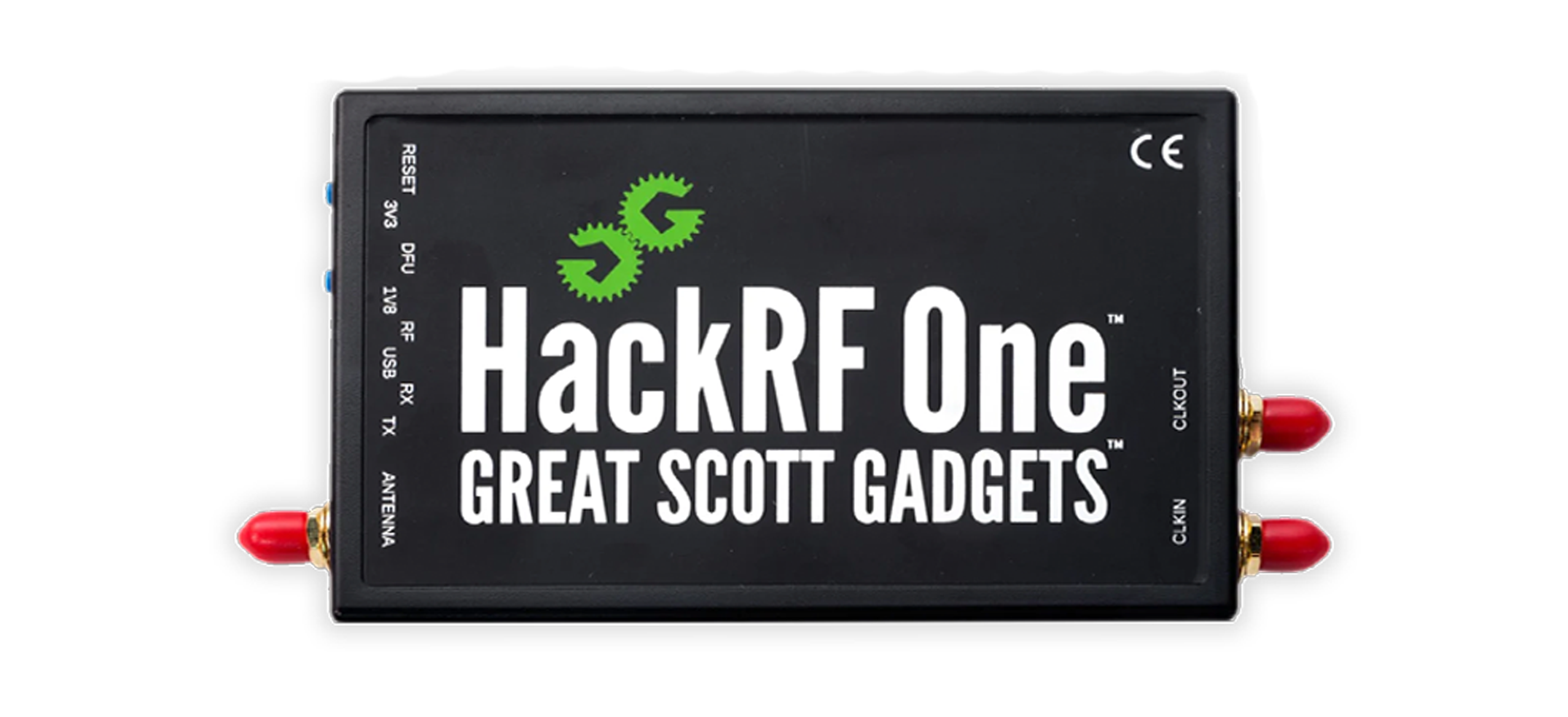
| Hobbyist wideband projects | HackRF Pro | Wide 100 kHz–6 GHz coverage and transmit/receive capability for controlled experiments, GNU Radio Companion projects, and RF exploration. |
| Student TX/RX learning | ADALM-Pluto or PLUTO+ SDR | Better for learning full-duplex transmit/receive concepts, I/Q modulation, digital communications, and AD936x workflows. |
| University lab | RTL-SDR for beginner stations, HackRF Pro or PLUTO+ for intermediate benches, USRP B210 for advanced groups | Allows a phased lab from low-cost receive lessons to transmit/receive and MIMO research. |
| RF cybersecurity lab | HackRF Pro, RTL-SDR, PLUTO+, TinySA Ultra, NanoVNA | Combines GNU Radio signal work with spectrum monitoring, antennas, filters, and controlled RF lab safety. |
| MIMO and FPGA research | bladeRF 2.0 micro xA4 or xA9 | Useful for 2×2 MIMO, FPGA-oriented workflows, custom waveform development, and GNU Radio research. |
| Research-grade wireless lab | USRP B210 or USRP X310 | Stronger ecosystem, UHD support, better research acceptance, and more serious lab workflows. |
The simple rule: start with RTL-SDR for receive-only learning, choose HackRF Pro for wideband hobbyist experiments, choose PLUTO+ for AD936x TX/RX learning, choose bladeRF for MIMO/FPGA projects, and choose USRP for serious research labs.
What Makes an SDR Good for GNU Radio?
The best SDR for GNU Radio is not always the most expensive device. It is the SDR that matches your project, drivers, operating system, bandwidth needs, transmit requirements, and learning level.
Key selection criteria
- Receive-only or transmit/receive operation
- Frequency range
- Instantaneous bandwidth
- ADC/DAC resolution
- Full-duplex support
- MIMO support
- GNU Radio driver support
- USB 2.0, USB 3.0, or Ethernet interface
- Clocking and synchronization options
- Community examples and documentation
- RF front-end quality
- Budget and replacement cost
- Safe transmit workflow
For beginners, driver simplicity and examples matter more than advanced specifications. For research labs, synchronization, repeatability, bandwidth, MIMO, UHD support, and measurement discipline become more important.
Best GNU Radio SDR for Students: RTL-SDR Blog V3 or V4 USB-C
The RTL-SDR Blog V3 USB-C and RTL-SDR Blog V4 USB-C are the best starting point for most students. They are receive-only, affordable, compact, and supported by a large ecosystem of SDR software and GNU Radio examples.
Best for
- First GNU Radio Companion flowgraphs
- FM broadcast receiver projects
- Airband monitoring
- ADS-B reception at 1090 MHz
- AIS ship tracking
- ACARS and VHF signal monitoring
- Weather satellite reception
- Basic filters and FFT lessons
- Digital signal processing teaching
- Receive-only RF cybersecurity awareness
Strengths
- Low cost
- Safe receive-only operation
- Large community
- Good for classroom kits
- Works well with Raspberry Pi and Linux
- Excellent for waterfall, FFT, filtering, and demodulation lessons
Limitations
- Receive-only
- Limited bandwidth compared with higher-end SDRs
- 8-bit ADC
- Can overload in strong-signal environments
- No MIMO
- Not suitable for transmit experiments
Recommended student setup: RTL-SDR Blog V4 USB-C, basic antenna kit, FM block filter or LNA where needed, GNU Radio installed on Linux, and a set of beginner flowgraphs.
Best GNU Radio SDR for Hobbyists: HackRF Pro
The HackRF Pro is one of the most flexible SDRs for hobbyist GNU Radio projects because it covers a very wide frequency range and supports transmit and receive workflows.
Best for
- Wideband spectrum exploration
- Controlled transmit/receive experiments
- GNU Radio Companion projects
- Sub-GHz monitoring
- BLE and WiFi RF-layer monitoring
- Drone RF awareness in authorized contexts
- Signal generation in shielded or cabled setups
- RF cybersecurity training
- Custom waveform learning
Strengths
- Very wide frequency range
- Transmit and receive capability
- Strong GNU Radio community usage
- Good for learning RF safety and signal chains
- Practical for RF cyber range benches
- Flexible across many hobbyist projects
Limitations
- Half-duplex, so it cannot transmit and receive at the same time
- 8-bit ADC/DAC
- USB 2.0 interface limits practical streaming bandwidth
- Needs filters, attenuators, and RF discipline for serious measurements
- Transmit capability must be used legally and safely
Recommended hobbyist setup: HackRF Pro, RTL-SDR as a second receive-only monitor, TinySA Ultra for spectrum checks, NanoVNA for antennas and filters, attenuators, dummy loads, and band-specific antennas.
Best GNU Radio SDR for TX/RX Learning: ADALM-Pluto and PLUTO+ SDR
ADALM-Pluto and PLUTO+ SDR are strong options when a student or lab needs more than receive-only SDR. They are useful for learning I/Q modulation, transmit/receive signal flow, AD936x devices, digital communications, and controlled lab experiments.
The PLUTO+ SDR AD9363 2T2R is especially interesting for labs that want an ADALM-Pluto-style workflow with 2TX/2RX, Gigabit Ethernet, and microSD support.
Best for
- Digital communications classes
- QPSK, BPSK, OFDM, and custom waveform labs
- Transmit/receive GNU Radio flowgraphs
- AD936x learning
- Controlled RF cyber range exercises
- Intermediate university SDR labs
- Private 5G foundations in controlled lab setups
Strengths
- Better fit for TX/RX learning than RTL-SDR
- AD936x-based workflow is relevant to many modern SDR boards
- Good bridge between beginner SDR and USRP-class hardware
- Useful for GNU Radio and SDRangel workflows
- PLUTO+ adds practical hardware improvements for some lab setups
Limitations
- Requires more setup knowledge than RTL-SDR
- Transmit testing must be controlled and legal
- Board-specific differences matter
- Not a direct replacement for USRP in every research workflow
- Some online tutorials may assume standard ADALM-Pluto rather than modified boards
Recommended intermediate setup: PLUTO+ SDR, attenuators, dummy loads, RF shield box or cabled RF path, GNU Radio, gr-iio workflow, and a second receive-only SDR for monitoring.
Best GNU Radio SDR for MIMO and FPGA Projects: bladeRF 2.0 micro
The bladeRF 2.0 micro is a strong choice when the project needs 2×2 MIMO, FPGA-oriented development, custom waveform work, and a more advanced SDR platform than RTL-SDR or HackRF.
Choose bladeRF 2.0 micro xA4 for general MIMO and SDR projects, and bladeRF 2.0 micro xA9 when more FPGA resources are useful.
Best for
- 2×2 MIMO experiments
- GNU Radio waveform development
- Custom modem research
- FPGA-oriented SDR projects
- RF fingerprinting datasets
- University graduate labs
- Wireless communications research
Strengths
- 2×2 MIMO support
- Wide frequency coverage
- USB 3.0 interface
- FPGA resources for advanced users
- Good platform for students moving beyond beginner SDR
Limitations
- More setup complexity than RTL-SDR or HackRF
- Requires driver and FPGA image knowledge
- Not as beginner-friendly for first SDR lesson
- Advanced features require stronger RF and Linux skills
Read the bladeRF 2.0 micro setup guide for driver, firmware, FPGA image, and GNU Radio setup advice.
Best GNU Radio SDR for Research Labs: USRP B210 and USRP X310
USRP hardware is one of the strongest choices for serious GNU Radio research because it has a mature UHD ecosystem, broad research adoption, and strong support in university and laboratory environments.
The USRP B210 is a practical research platform for 2×2 MIMO, 70 MHz–6 GHz projects, GNU Radio, UHD, private 5G foundations, IoT prototypes, and wireless communications education.
The USRP X310 is more suitable when the lab needs higher bandwidth, modular daughterboards, 10GbE/PCIe-class workflows, timing options, and advanced research flexibility.
Best for
- University research labs
- Private 5G and O-RAN experiments
- MIMO testbeds
- RF fingerprinting research
- Wireless protocol prototyping
- Channel sounding
- Graduate communications labs
- Reproducible GNU Radio research
Strengths
- Strong UHD and GNU Radio ecosystem
- Research-friendly platform
- 2×2 MIMO on B210
- Higher-end synchronization options on advanced USRP models
- Good long-term lab investment
- Widely recognized in academic and industrial SDR work
Limitations
- Higher cost
- Requires stronger host computer and setup knowledge
- Not necessary for simple beginner receiving
- Transmit testing still requires legal and safe RF control
- Some projects require clocks, attenuators, filters, antennas, and careful lab design
Recommended research setup: USRP B210 or X310, GNU Radio, UHD, Linux workstation, 10 MHz/PPS timing where needed, attenuators, filters, dummy loads, shielded/cabled RF paths, NanoVNA, TinySA Ultra or professional spectrum analyzer, and documented test procedures.
Best SDR by GNU Radio Project Type
| Project type | Recommended SDR | Why |
|---|---|---|
| FM receiver flowgraph | RTL-SDR Blog V3/V4 | Cheap, simple, receive-only, and ideal for first GNU Radio lessons. |
| ADS-B receiver | RTL-SDR Blog V3/V4 | Good receive-only hardware at 1090 MHz with the right antenna and filter. |
| Wideband spectrum exploration | HackRF Pro | Broad tuning range and flexible GNU Radio support. |
| Basic transmit waveform | HackRF Pro or PLUTO+ | Both support controlled TX experiments; PLUTO+ is better for full-duplex-style learning. |
| Digital communications course | PLUTO+ or USRP B210 | Better for transmit/receive, modulation, synchronization, and lab exercises. |
| Sub-GHz monitoring | RTL-SDR or HackRF Pro | RTL-SDR is low cost; HackRF Pro gives wider lab flexibility. |
| RF cybersecurity lab | HackRF Pro plus RTL-SDR | HackRF handles wideband controlled projects; RTL-SDR provides safe receive-only nodes. |
| 2×2 MIMO research | bladeRF 2.0 micro or USRP B210 | Both support MIMO workflows; USRP is stronger for research ecosystem and UHD. |
| Private 5G lab foundation | USRP B210 or higher | More common in open-source cellular testbeds and research documentation. |
| Advanced wideband research | USRP X310 | Better for higher bandwidth, timing, modularity, and advanced lab architecture. |
Student Setups
Budget student setup
- RTL-SDR Blog V4 USB-C
- Basic antenna kit
- Linux laptop or Raspberry Pi
- GNU Radio Companion
- SDR++ for quick signal checks
- Optional FM block filter or LNA depending on local signals
Best for: first SDR class, first GNU Radio flowgraph, FM receiver, ADS-B, VHF/UHF monitoring, and DSP learning.
Intermediate student setup
- RTL-SDR Blog V4 USB-C
- HackRF Pro or PLUTO+ SDR
- NanoVNA-H4 for antenna and filter checks
- TinySA Ultra for spectrum checks
- Attenuators and dummy loads for safe TX lessons
- GNU Radio and Python notebooks
Best for: students moving from receive-only projects into controlled transmit/receive labs.
Hobbyist Setups
General hobbyist GNU Radio setup
- HackRF Pro
- RTL-SDR receiver as a second monitor
- Wideband antenna and band-specific antennas
- TinySA Ultra
- NanoVNA-H4
- Filters, attenuators, dummy loads, and SMA adapters
Best for: spectrum exploration, signal processing, Sub-GHz monitoring, RF cybersecurity learning, satellite reception support, and custom GNU Radio flowgraphs.
Hobbyist transmit/receive setup
- PLUTO+ SDR or HackRF Pro
- Dummy loads
- Fixed attenuators
- RF shield box or cabled RF path for transmit tests
- Second SDR receiver for monitoring
- GNU Radio Companion
Best for: safe controlled waveform experiments without affecting real-world systems.
University Teaching Lab Setups
Beginner classroom kit
- 10–30 RTL-SDR Blog V4 USB-C receivers
- Shared antennas and filters
- One TinySA Ultra for instructor demonstrations
- One NanoVNA-H4 for antenna lessons
- Prebuilt GNU Radio flowgraphs
- Lab worksheets for FM, ADS-B, filters, FFT, and demodulation
Best for: affordable SDR courses where each student or pair of students needs hands-on hardware.
Intermediate communications lab
- RTL-SDR receivers for monitoring
- PLUTO+ SDR or ADALM-Pluto-style devices for TX/RX lessons
- HackRF Pro for instructor-led wideband demonstrations
- Attenuators, dummy loads, filters, and cabled RF paths
- GNU Radio, SDRangel, and Python tools
Best for: modulation, synchronization, digital communication, channel effects, and safe waveform exercises.
Advanced university research lab
- USRP B210 or USRP X310
- bladeRF 2.0 micro for MIMO/FPGA-oriented projects
- PLUTO+ or HackRF Pro as supporting lab nodes
- Clock/reference hardware where needed
- RF shield boxes and cabled RF test paths
- TinySA Ultra or professional spectrum analyzer
- NanoVNA-H4 or higher-grade VNA
- GNU Radio, UHD, gr-iio, libbladeRF, SoapySDR, Python
Best for: graduate wireless communications, private 5G, MIMO, RF fingerprinting, AI-RAN foundations, and research reproducibility.
RF Cybersecurity Lab Setups
GNU Radio is useful in RF cybersecurity labs because it allows students and auditors to understand signal processing, not only tool output. However, transmit-capable SDRs must be used carefully.
Recommended RF cybersecurity setup
- RTL-SDR for receive-only monitoring
- HackRF Pro for controlled wideband experiments
- PLUTO+ SDR for TX/RX lessons
- WiFi monitor-mode adapters for WiFi packet capture
- BLE sniffers for Bluetooth testing
- Sub-GHz antennas
- TinySA Ultra for quick spectrum checks
- NanoVNA-H4 for antennas and filters
- Attenuators, dummy loads, shield boxes, and safe test procedures
Read: RF Cyber Range Hardware and RF Cybersecurity Lab Equipment Checklist.
Important Accessories for GNU Radio Projects
Antennas
The SDR is only part of the setup. Use antennas matched to the project frequency.
- FM broadcast antenna for beginner receiver labs
- VHF/UHF antenna for airband and amateur bands
- 1090 MHz antenna for ADS-B
- Sub-GHz antenna for 433/868/915 MHz projects
- 2.4 GHz antenna for WiFi/BLE RF-layer work
- GNSS/L-band antenna for GPS/Galileo monitoring
Filters
Filters help prevent receiver overload and isolate the signal of interest.
- FM block filter for strong FM broadcast areas
- AM reject high-pass filter for HF direct-sampling work
- ADS-B 1090 MHz filter
- LoRa/Sub-GHz filters
- GNSS/L-band filters
Attenuators and dummy loads
Transmit-capable GNU Radio projects need RF safety accessories. Do not connect a transmitting SDR directly to another SDR receiver without understanding signal levels.
- Fixed attenuators
- Variable attenuators
- 50-ohm dummy loads
- DC blocks
- RF power meter where power is uncertain
- Shield box or cabled RF path for transmit labs
Measurement tools
- TinySA Ultra for signal presence, interference, and rough spectrum checks
- NanoVNA-H4 for antennas, filters, coax loss, SWR, and return loss
- RF power meter for conducted power checks
- Dummy loads for safe RF termination
Common GNU Radio Hardware Mistakes
Buying USRP before learning GNU Radio basics
A USRP is excellent hardware, but it is not required for the first GNU Radio lesson. Start with RTL-SDR or HackRF unless the project specifically needs MIMO, UHD, high bandwidth, synchronization, or research reproducibility.
Choosing RTL-SDR for transmit projects
RTL-SDR is receive-only. It cannot transmit. Choose HackRF Pro, PLUTO+, bladeRF, or USRP for controlled transmit-capable projects.
Ignoring host computer limits
High sample rates require CPU, USB bandwidth, storage speed, and stable drivers. Many GNU Radio problems are actually host-computer or USB problems.
Not using filters
Strong local signals can overload SDR receivers. If a flowgraph looks wrong, the problem may be RF overload, not GNU Radio blocks.
Transmitting over the air without a plan
Transmit-capable SDRs must be used legally. Use dummy loads, attenuators, cabled paths, shield boxes, or properly authorized test environments.
Expecting modified boards to behave exactly like official boards
AD936x-based boards can be similar, but board support, firmware, drivers, clocking, bandwidth, connectors, and examples may differ. Check the exact board and workflow.
Recommended SDRstore.eu Hardware Packages
Package 1: Student GNU Radio starter kit
- RTL-SDR Blog V4 USB-C
- Basic antenna kit
- Optional FM block filter
- Optional ADS-B antenna
- GNU Radio Companion beginner flowgraphs
Best for: first SDR projects, FM receiver, FFT/waterfall, ADS-B, airband, and DSP basics.
Package 2: Hobbyist GNU Radio kit
- HackRF Pro
- RTL-SDR Blog V4 as a receive monitor
- Wideband antenna
- Sub-GHz antenna
- 2.4 GHz antenna
- Attenuators and dummy loads
- TinySA Ultra and NanoVNA-H4
Best for: wideband RF learning, controlled transmit/receive experiments, signal analysis, and RF troubleshooting.
Package 3: Intermediate university communications kit
- PLUTO+ SDR AD9363 2T2R
- RTL-SDR receive monitor
- Attenuators
- Dummy loads
- RF shield box or cabled path
- GNU Radio and gr-iio workflow
- NanoVNA-H4 for antenna and filter lessons
Best for: modulation, I/Q, TX/RX, synchronization, controlled RF experiments, and digital communications courses.
Package 4: MIMO and FPGA GNU Radio kit
- bladeRF 2.0 micro xA4 or xA9
- Matched antennas
- Equal-length RF cables where needed
- Attenuators and cabled RF paths
- GNU Radio, libbladeRF, and SoapySDR workflow
- TinySA Ultra and NanoVNA-H4
Best for: MIMO labs, FPGA-oriented projects, custom waveforms, and graduate-level wireless experiments.
Package 5: Research-grade GNU Radio lab kit
- USRP B210 or USRP X310
- UHD and GNU Radio workstation
- Clock/reference hardware where needed
- RF shield boxes
- Attenuators, dummy loads, filters, and DC blocks
- MIMO antennas and controlled RF cabling
- Professional spectrum analyzer or TinySA Ultra for support checks
- NanoVNA-H4 or higher-grade VNA
Best for: universities, telecom research, private 5G, O-RAN foundations, RF fingerprinting, MIMO, and reproducible SDR research.
Purchase-Order Justification Examples
RTL-SDR student kit justification
RTL-SDR receivers are required for low-cost GNU Radio teaching labs, receive-only SDR exercises, spectrum visualization, FM demodulation, ADS-B reception, VHF/UHF monitoring, and beginner DSP training.
HackRF Pro GNU Radio justification
HackRF Pro is required as a wideband transmit/receive SDR platform for controlled GNU Radio experiments, signal generation, RF cybersecurity training, spectrum monitoring, and hobbyist-to-lab SDR workflows.
PLUTO+ SDR teaching justification
PLUTO+ SDR is required for AD936x-based GNU Radio teaching, controlled transmit/receive labs, digital communications exercises, I/Q modulation, and intermediate SDR training with Ethernet-capable lab workflows.
bladeRF MIMO justification
bladeRF 2.0 micro is required for GNU Radio MIMO experiments, FPGA-oriented SDR development, custom waveform research, RF fingerprinting datasets, and advanced university wireless communications labs.
USRP research lab justification
USRP B210 or USRP X310 is required for research-grade GNU Radio projects, UHD workflows, MIMO testbeds, private 5G foundations, wireless protocol prototyping, synchronization experiments, and reproducible academic SDR research.
Request a Quote for GNU Radio SDR Hardware
Universities, RF labs, cybersecurity teams, telecom companies, public-sector buyers, student labs, and research groups can request a formal quotation directly from SDRstore.eu.
Use the Add to Quote button on product pages or the document icon on product cards. Add RTL-SDR, HackRF Pro, PLUTO+ SDR, bladeRF, USRP B210, USRP X310, antennas, filters, attenuators, dummy loads, TinySA Ultra, NanoVNA-H4, RF power meters, cables, adapters, and project notes to one quote request.
A quote request is useful when you need:
- GNU Radio student kits
- SDR teaching-lab hardware
- HackRF or PLUTO+ lab bundles
- USRP B210 research setups
- bladeRF MIMO and FPGA kits
- RF cybersecurity training hardware
- Antennas, filters, attenuators, and RF tools included together
- Formal pricing for company, university, or public-sector procurement
Read the SDRstore.eu quote-request guide.
Related SDRstore.eu Guides
- Best SDR for GNU Radio Projects: RTL-SDR, HackRF, PlutoSDR, bladeRF, and USRP
- Best SDR for Beginners: RTL-SDR, HackRF, PlutoSDR, and USRP Compared
- Best SDR Software: SDR++, SDR#, SDRangel, Gqrx, GNU Radio, SatDump, and OpenWebRX
- SDR Hardware for Wireless Communications Courses
- How to Build a University SDR Lab
- SDR Hardware for Universities
- bladeRF 2.0 micro Setup Guide
- USRP B210 vs X310
- MIMO Testbed Hardware
- RF Cyber Range Hardware
- How to Choose SDR Hardware for a Research Grant or University Purchase Order
Official and Technical Resources
- GNU Radio official website
- GNU Radio official tutorials
- GNU Radio hardware page
- GNU Radio RTL-SDR FM receiver tutorial
- Great Scott Gadgets HackRF Pro
- Analog Devices ADALM-Pluto
- Analog Devices GNU Radio and IIO devices
- Nuand bladeRF 2.0 micro
- Ettus Research USRP B210
- Ettus B200/B210 knowledge base
Final Recommendation
For students and first GNU Radio projects, start with RTL-SDR. It is affordable, safe, receive-only, and ideal for learning flowgraphs, FFTs, filters, demodulation, and real RF signals.
For hobbyists and RF cybersecurity labs, choose HackRF Pro when you need wide frequency coverage and controlled transmit/receive experiments. Add RTL-SDR as a second receive monitor and use attenuators, dummy loads, and filters for safety.
For intermediate university and digital communications labs, choose PLUTO+ SDR or ADALM-Pluto-style hardware. It gives students a better bridge into transmit/receive workflows and AD936x-based SDR concepts.
For MIMO, FPGA, and advanced custom waveform work, choose bladeRF 2.0 micro. For serious research labs, private 5G foundations, MIMO testbeds, and repeatable academic work, choose USRP B210 or USRP X310.
The best SDR for GNU Radio is not one device for everyone. It is the hardware that matches the project level, safety requirements, bandwidth, driver ecosystem, and long-term lab goals.
FAQ
What is the best SDR for GNU Radio beginners?
RTL-SDR Blog V3 or V4 USB-C is usually the best GNU Radio beginner SDR because it is affordable, receive-only, widely supported, and good for first flowgraphs such as FM reception, ADS-B, FFT displays, filters, and demodulation.
Can RTL-SDR transmit in GNU Radio?
No. RTL-SDR is receive-only. For transmit-capable GNU Radio projects, choose HackRF Pro, PLUTO+ SDR, bladeRF, or USRP hardware and use safe, legal, controlled RF test setups.
Is HackRF Pro good for GNU Radio?
Yes. HackRF Pro is very useful for GNU Radio projects that need wide frequency coverage, transmit/receive capability, spectrum exploration, signal generation, and RF cybersecurity training. It is half-duplex and should be used carefully for transmit experiments.
Is PLUTO+ SDR good for students?
Yes. PLUTO+ SDR is useful for intermediate students who need transmit/receive workflows, digital communications labs, AD936x learning, and controlled GNU Radio experiments beyond receive-only SDR.
Is bladeRF better than HackRF for GNU Radio?
It depends on the project. HackRF Pro is simpler and very wideband for hobbyist work, while bladeRF 2.0 micro is better for 2×2 MIMO, FPGA-oriented workflows, and advanced custom waveform projects.
Is USRP B210 worth it for GNU Radio?
Yes, for research labs, universities, private 5G foundations, MIMO work, and reproducible academic projects. It is usually more expensive than beginner SDRs, but the UHD ecosystem and research acceptance are strong advantages.
What SDR should a university buy for GNU Radio classes?
For beginner classes, buy RTL-SDR receivers for each student or pair. For intermediate labs, add PLUTO+ or HackRF Pro. For advanced research groups, add USRP B210, USRP X310, or bladeRF depending on MIMO, bandwidth, and budget requirements.
Do GNU Radio projects need a spectrum analyzer?
Not always, but a TinySA Ultra or professional spectrum analyzer is very useful for checking signal presence, interference, harmonics, and RF test conditions. GNU Radio shows what the SDR receives; a spectrum analyzer helps confirm the RF environment.
What accessories do I need for GNU Radio transmit projects?
Use attenuators, dummy loads, DC blocks, RF shield boxes, filters, known-good cables, and an RF power meter where needed. Do not transmit over the air unless the frequency, power, antenna, and authorization are clearly legal and controlled.
Can SDRstore.eu quote a complete GNU Radio SDR lab?
Yes. Use the Add to Quote button on product pages or the document icon on product cards. Add RTL-SDR, HackRF Pro, PLUTO+ SDR, bladeRF, USRP, antennas, filters, attenuators, dummy loads, TinySA Ultra, NanoVNA-H4, and project notes so the full lab can be quoted together.
No posts found
Write a review






We support all major card and digital payment options. More local methods are available and shown during checkout.
You enter into a binding sales contract once you have received an 'order confirmation and sales receipt' email from us, in line with our Sales & Delivery conditions. Therefore, sdrstore.eu has the right to cancel your order in the event of technical problems, delivery failure, Fair use policy and other similar situations.






Your payments are protected by advanced encryption and 3-D Secure authentication for safe online shopping.