





SDRstore.eu Blog | SDR, Electronics & Tech Guides- page 2
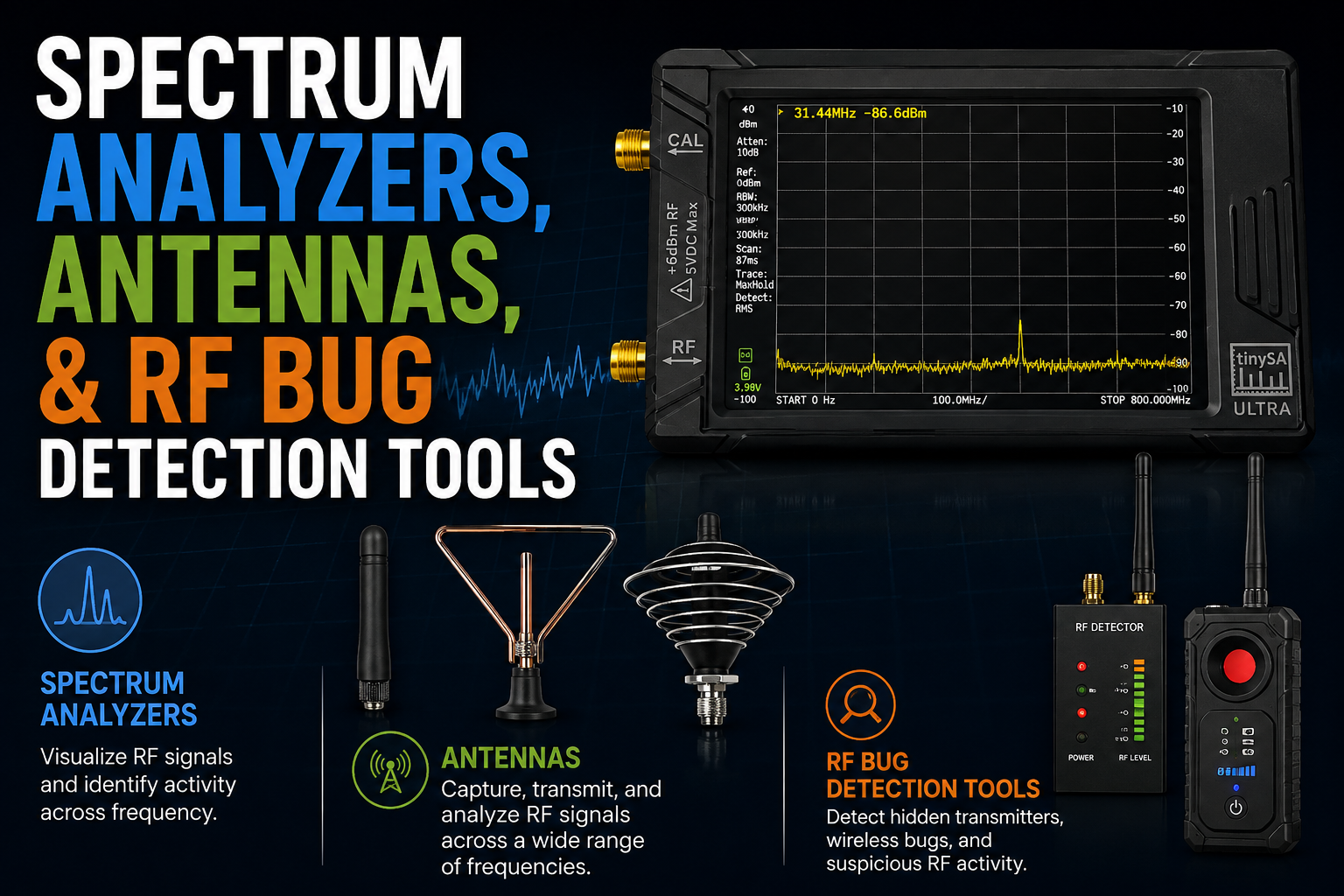

Spectrum Analyzers, Antennas, and RF Bug Detection Tools
A suspicious wireless transmitter can be much harder to find than the small handheld “bug detector” advertisements often suggest. Modern buildings are already filled with Wi-Fi, Bluetooth, cellular, IoT, wireless microphones, alarm sensors, remote controls...
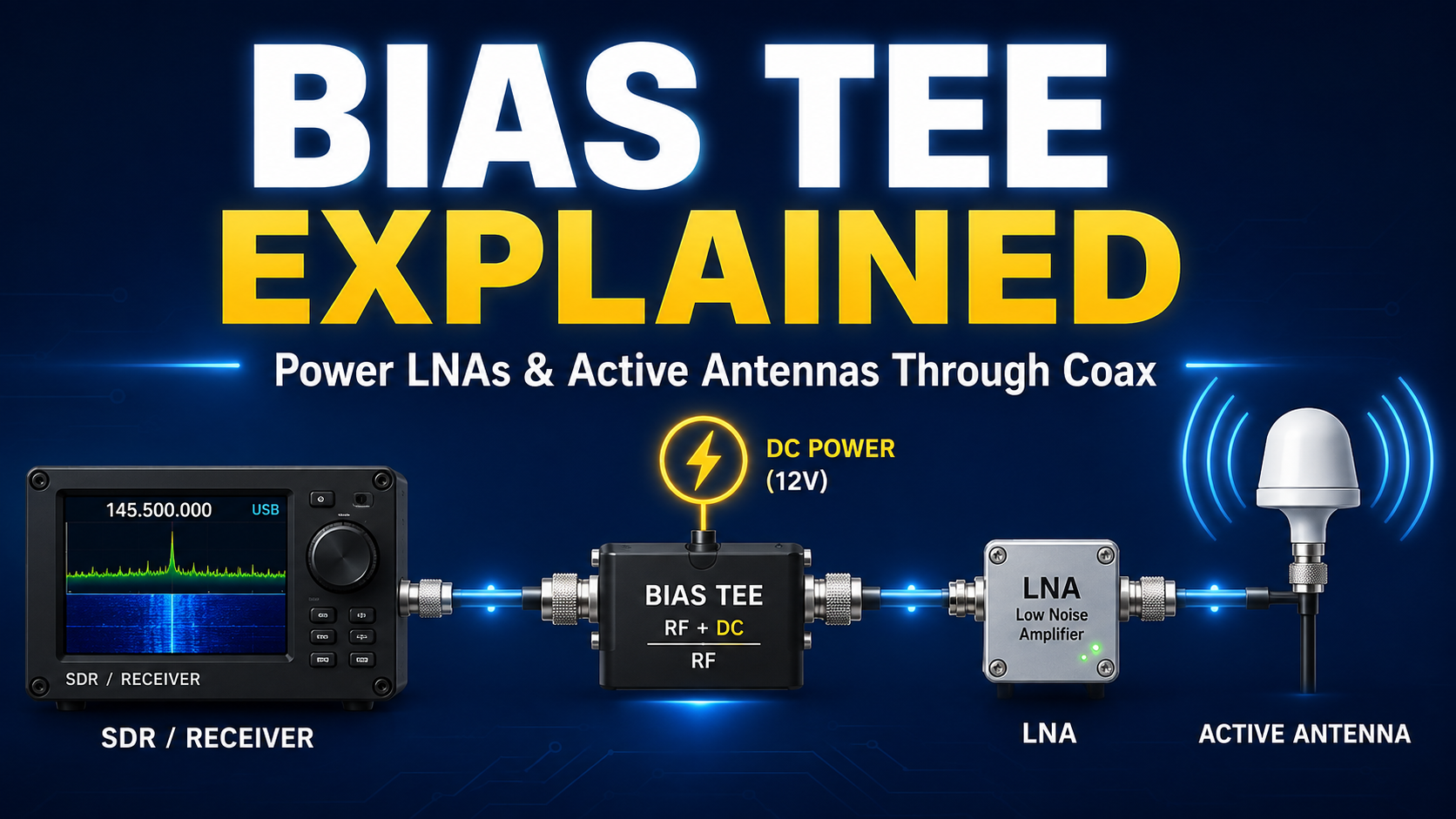
Bias Tee Explained: Powering LNAs and Active Antennas Through Coax
An outdoor LNA may be several meters away from your SDR receiver. An active GNSS antenna may need electrical power even though only one coaxial cable connects to it. A mast-mounted preamplifier may be positioned where running a separate DC cable would be...
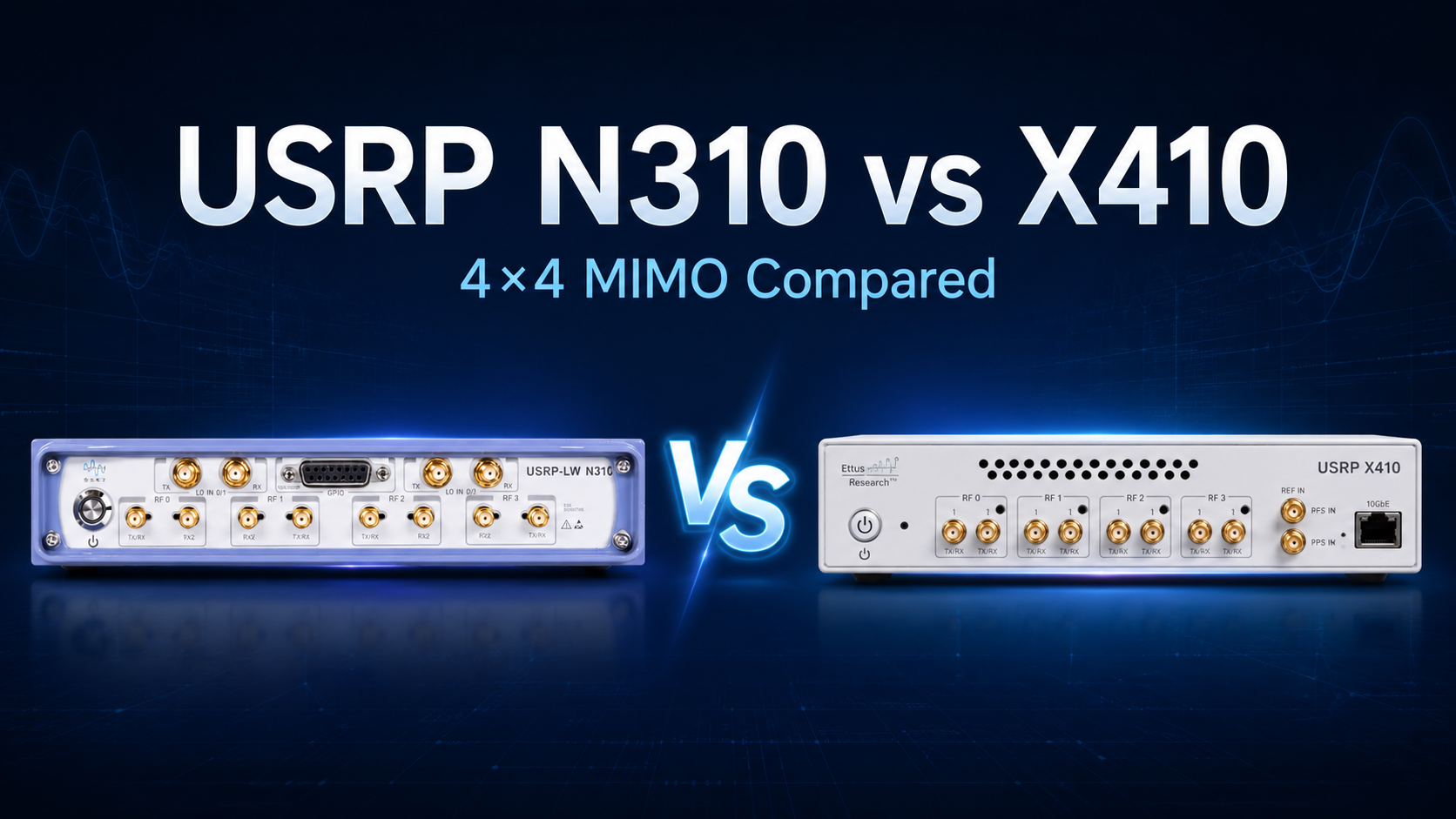
USRP N310 vs X410: 4×4 MIMO, Bandwidth, FPGA, and Networking Compared
USRP N310 and USRP X410 both offer four transmit and four receive channels, which can make them look surprisingly similar on a specification sheet.
They are not.
The USRP N310 is a mature networked 4×4 SDR built around two AD9371 RF...
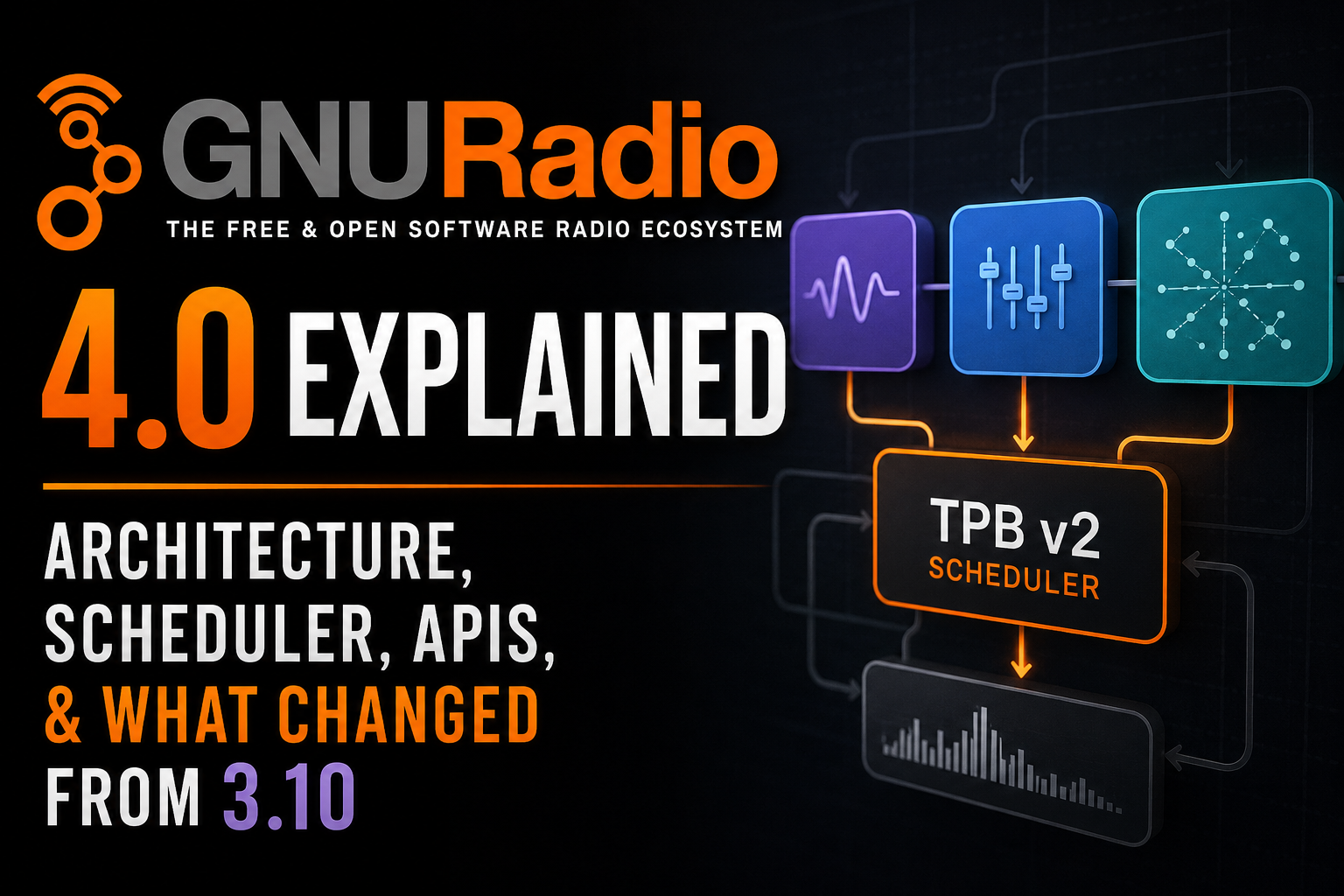
GNU Radio 4.0 Explained: Architecture, Scheduler, APIs, and What Changed from 3.10
GNU Radio 4 is not simply GNU Radio 3.10 with a new interface. It is a major redesign of the runtime, block model, scheduler, type system, execution architecture, and developer APIs underneath GNU Radio flowgraphs.
The familiar idea remains: connect...
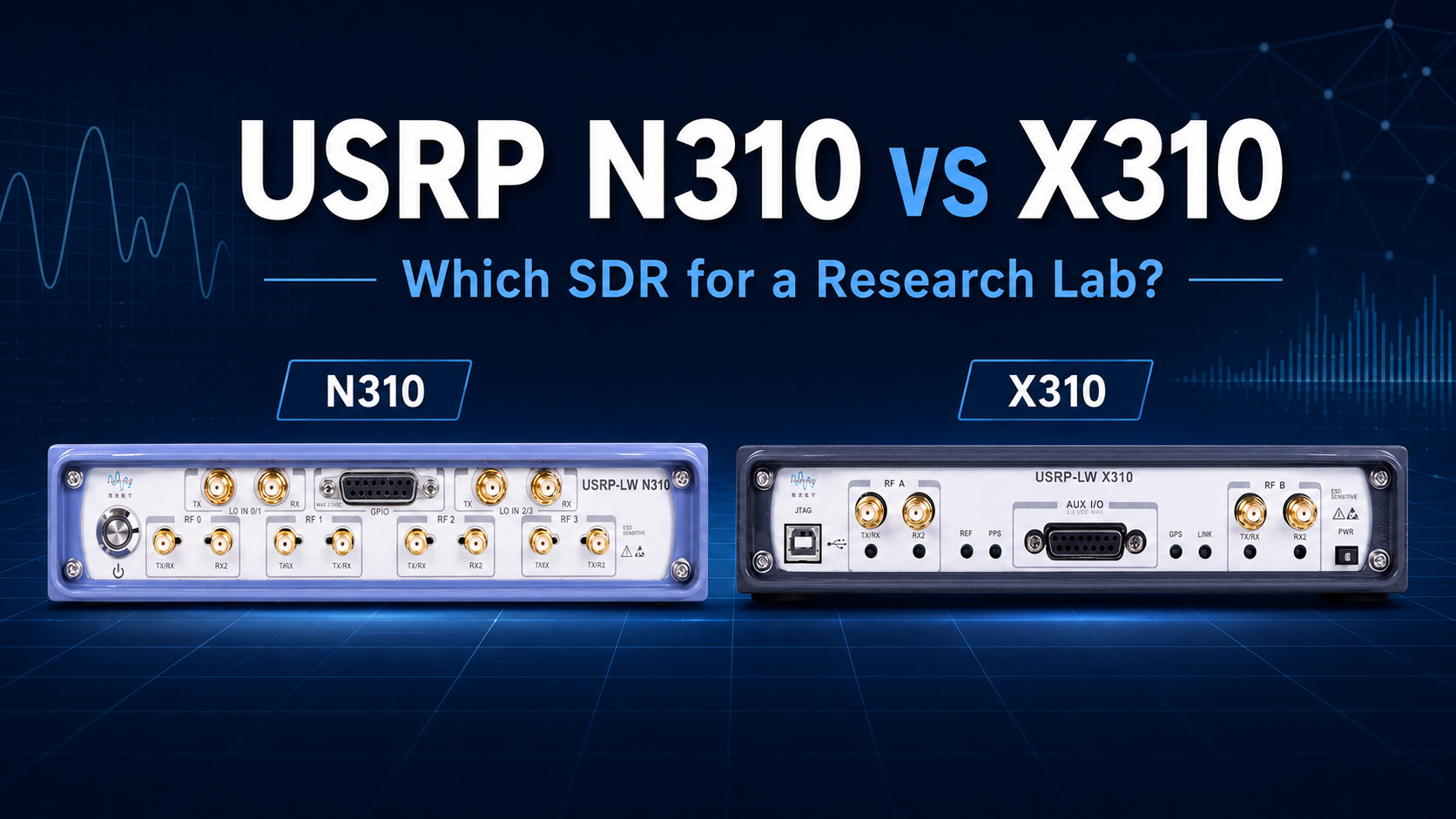
USRP N310 vs X310: Which SDR Should a Research Lab Buy?
The USRP N310 and USRP X310 are both high-end software-defined radio platforms used in universities, telecom laboratories, MIMO testbeds, GNU Radio research, private cellular networks, spectrum-monitoring systems, RF cybersecurity laboratories, and...
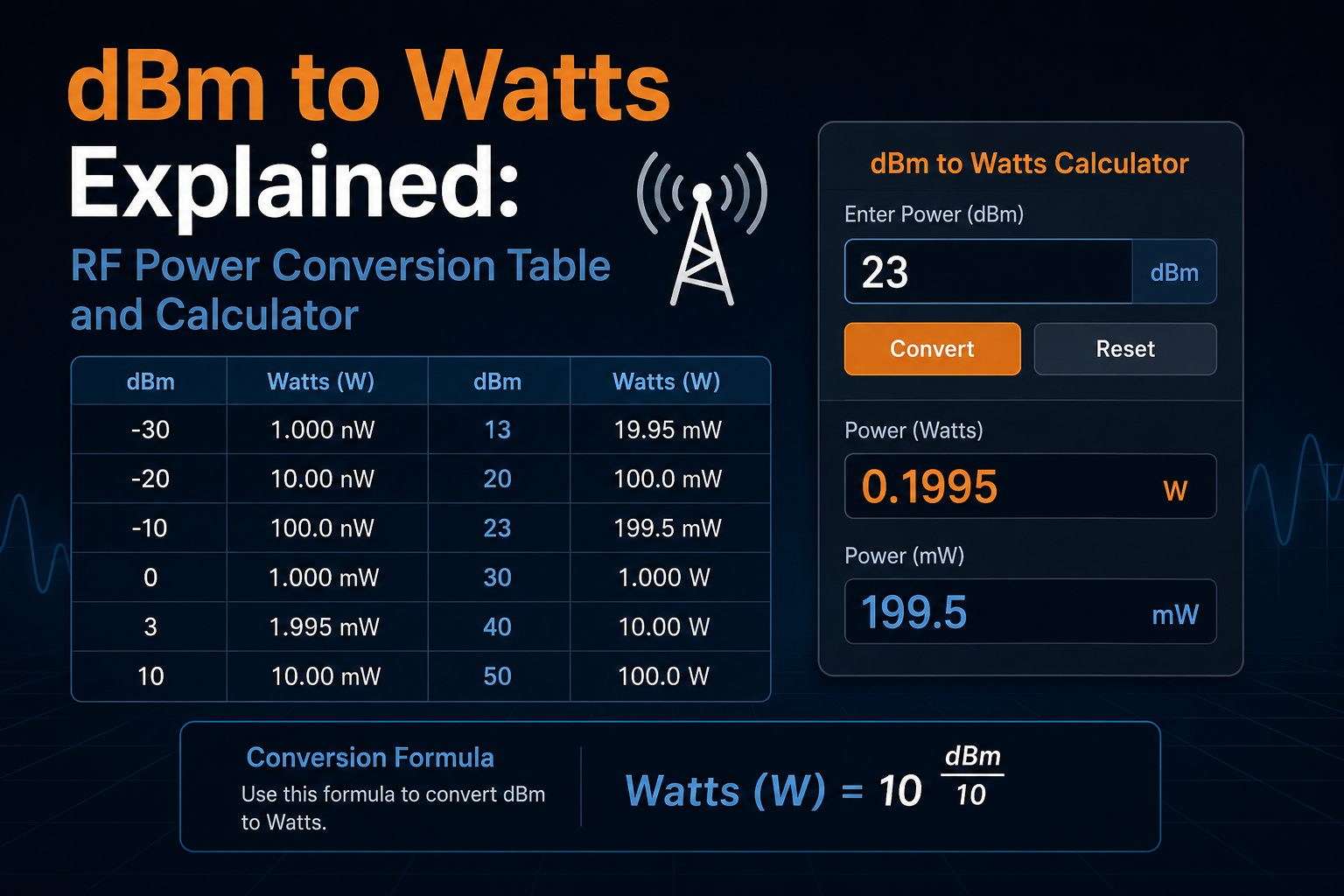
dBm to Watts Explained: RF Power Conversion Table and Calculator
dBm is one of the most common units in radio-frequency engineering, but it can be confusing when RF equipment is also specified in milliwatts or watts. A transmitter may be rated at 30 dBm, an SDR input may have a safe limit expressed in dBm, an RF power...
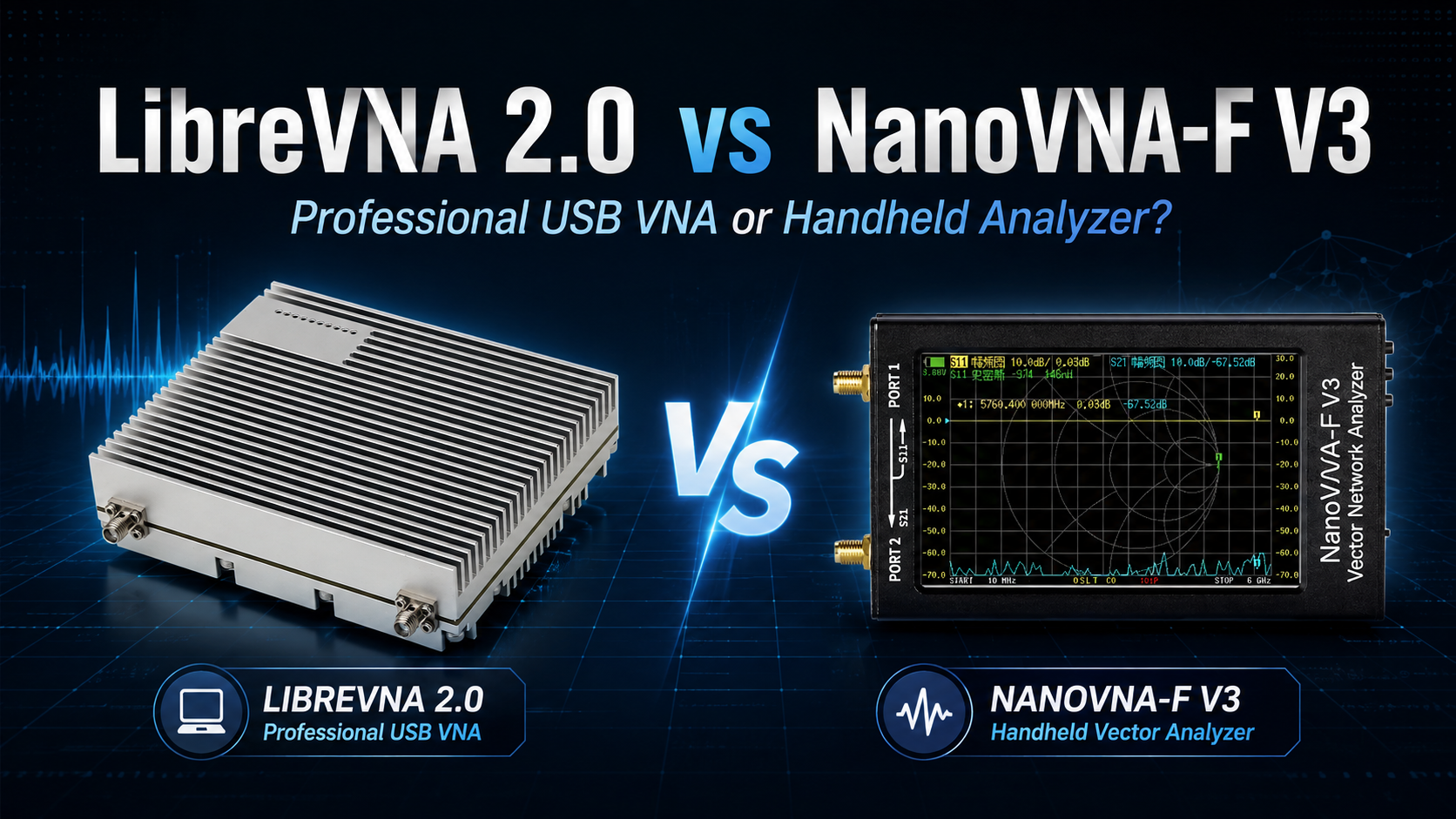
LibreVNA 2.0 vs NanoVNA-F V3: Professional USB VNA or Handheld Analyzer?
The LibreVNA 2.0 and NanoVNA-F V3 both cover frequencies up to approximately 6 GHz, both measure RF networks, and both cost far less than a traditional laboratory vector network analyzer. That makes them look like direct competitors.
In practice, they...
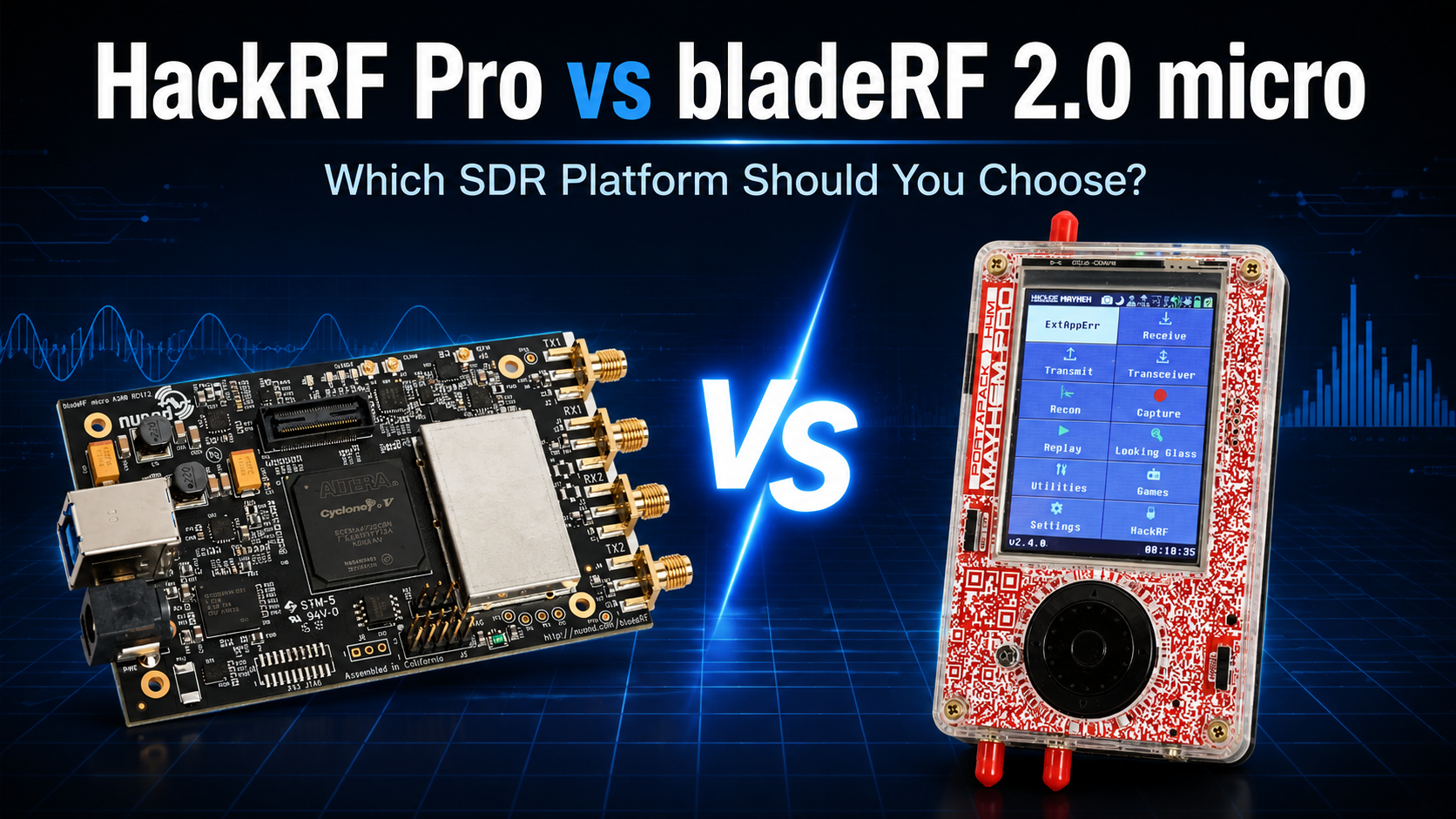
HackRF Pro vs bladeRF 2.0 micro: Which SDR Platform Should You Choose?
HackRF Pro and bladeRF 2.0 micro are both powerful open software-defined radio platforms covering much of the RF spectrum up to 6 GHz, but they are designed for very different types of users.
The HackRF Pro is the easier platform for broad-frequency...
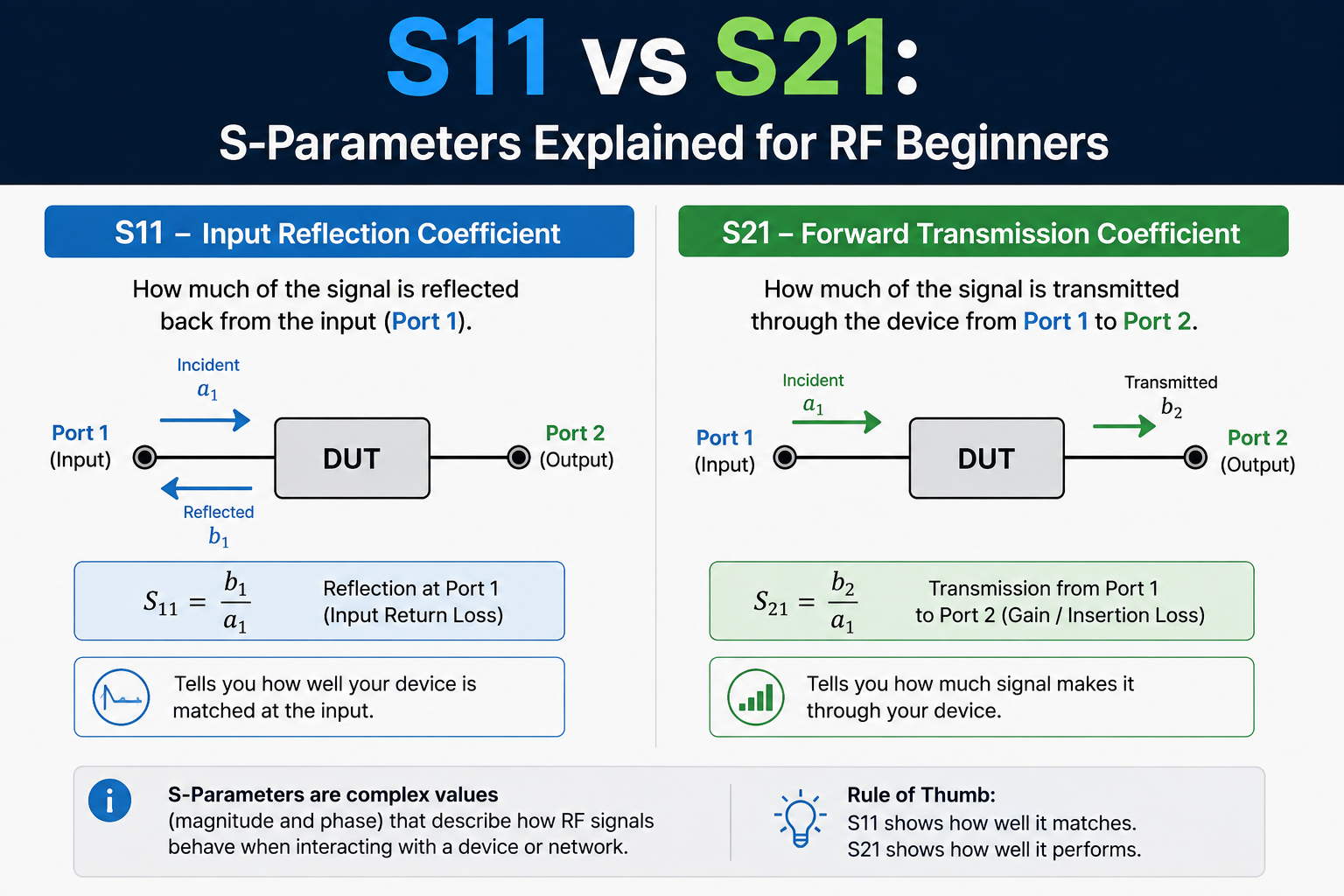
S11 vs S21: S-Parameters Explained for RF Beginners
S11 and S21 are two of the most important measurements you will see on a vector network analyzer, NanoVNA, LibreVNA, or professional RF VNA.
The names initially look abstract, but the basic idea is simple:
S11 tells you what comes back....
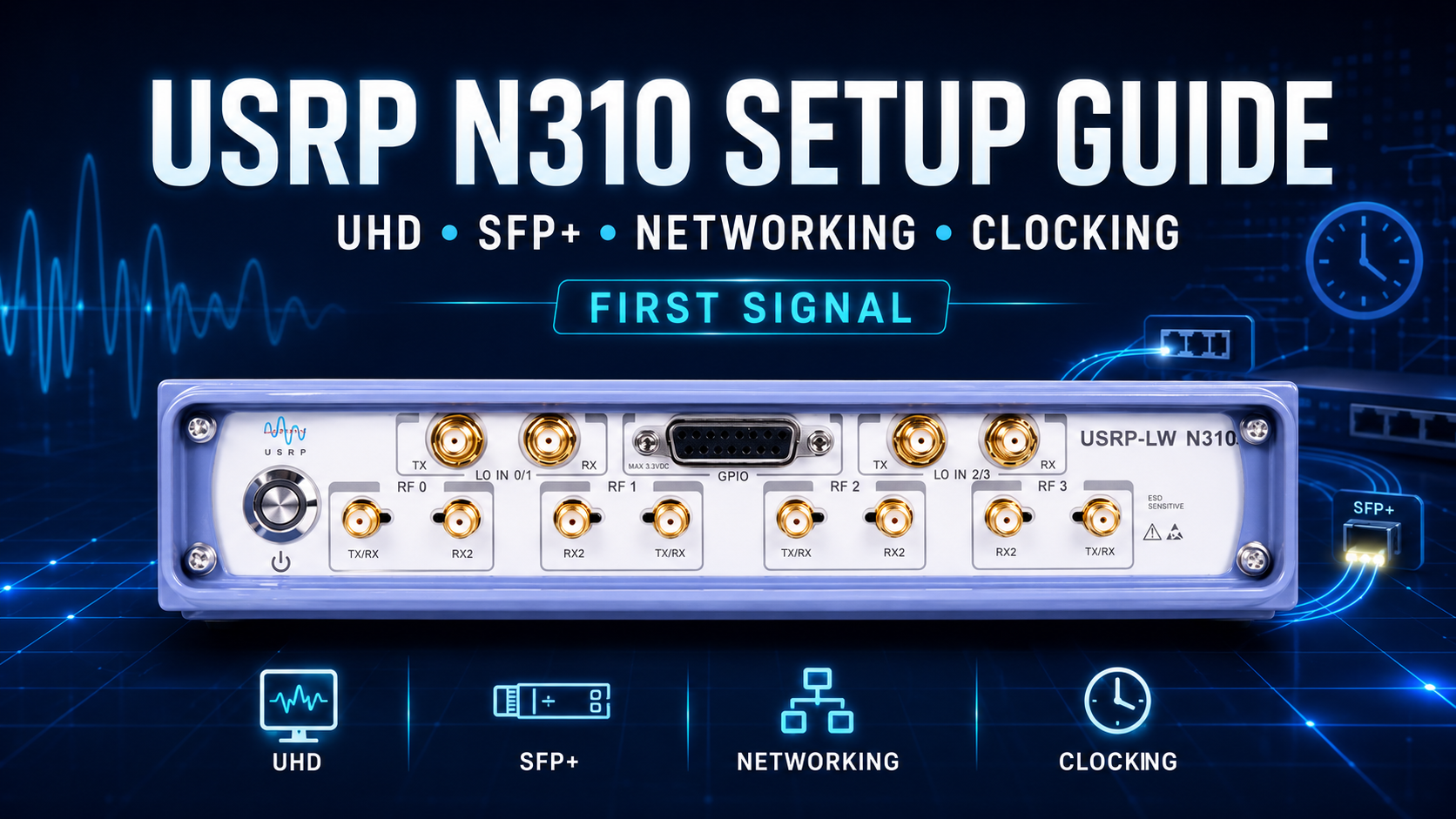
USRP N310 Setup Guide: UHD, SFP+, Networking, Clocking, and First Signal
The USRP N310 is very different from a USB SDR such as the USRP B210. You do not simply install a driver, connect one cable, and select the radio in GNU Radio.
The N310 is a four-channel networked SDR with its own embedded Linux system, FPGA image,...
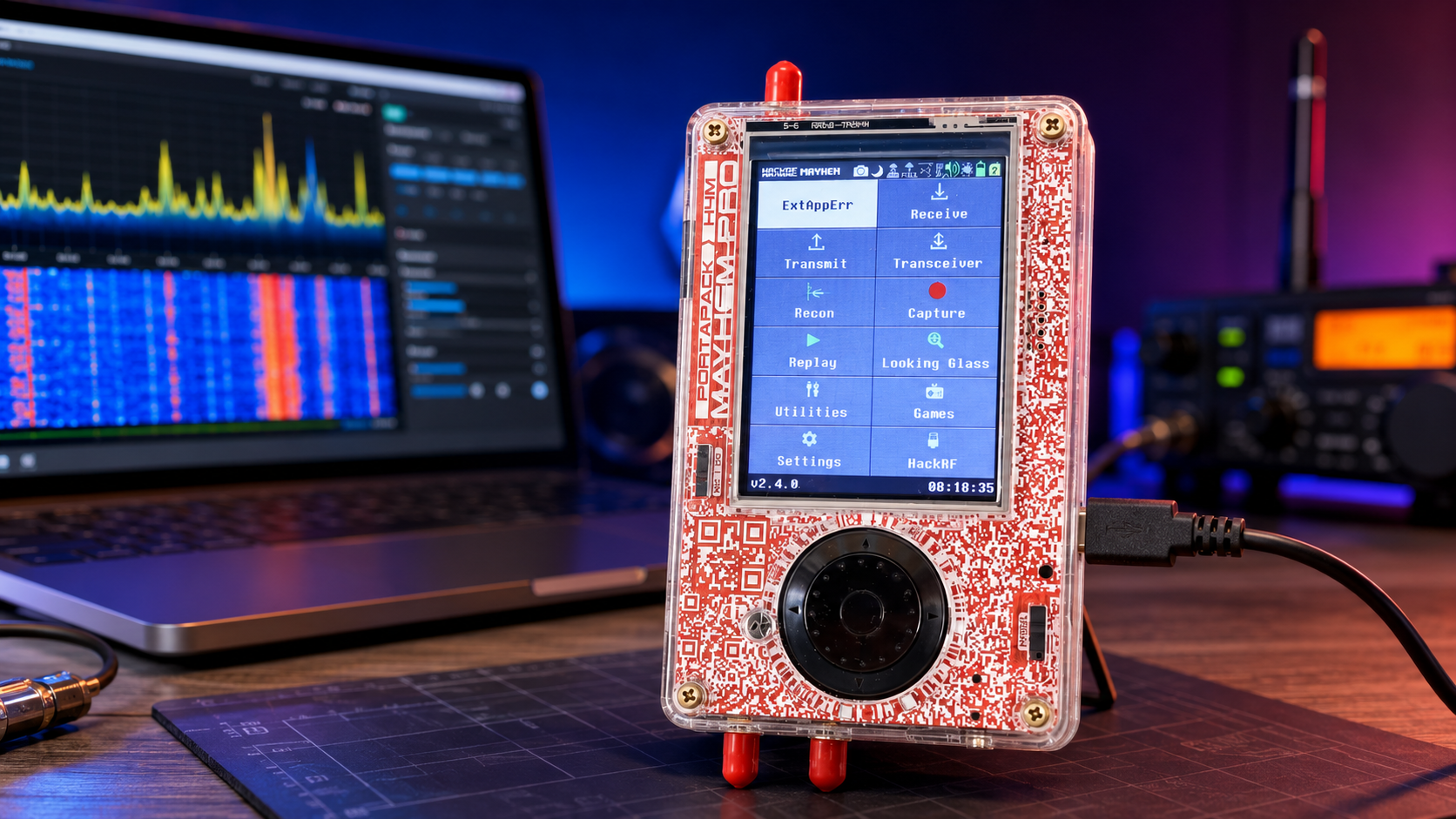
HackRF Pro Setup Guide: Firmware, Drivers, GNU Radio, SDR++, and First Signal
HackRF Pro is a wideband software-defined radio platform for receiving, transmitting, RF development, signal analysis, GNU Radio projects, wireless research, and controlled laboratory testing. It is the newer official HackRF platform and is designed to...
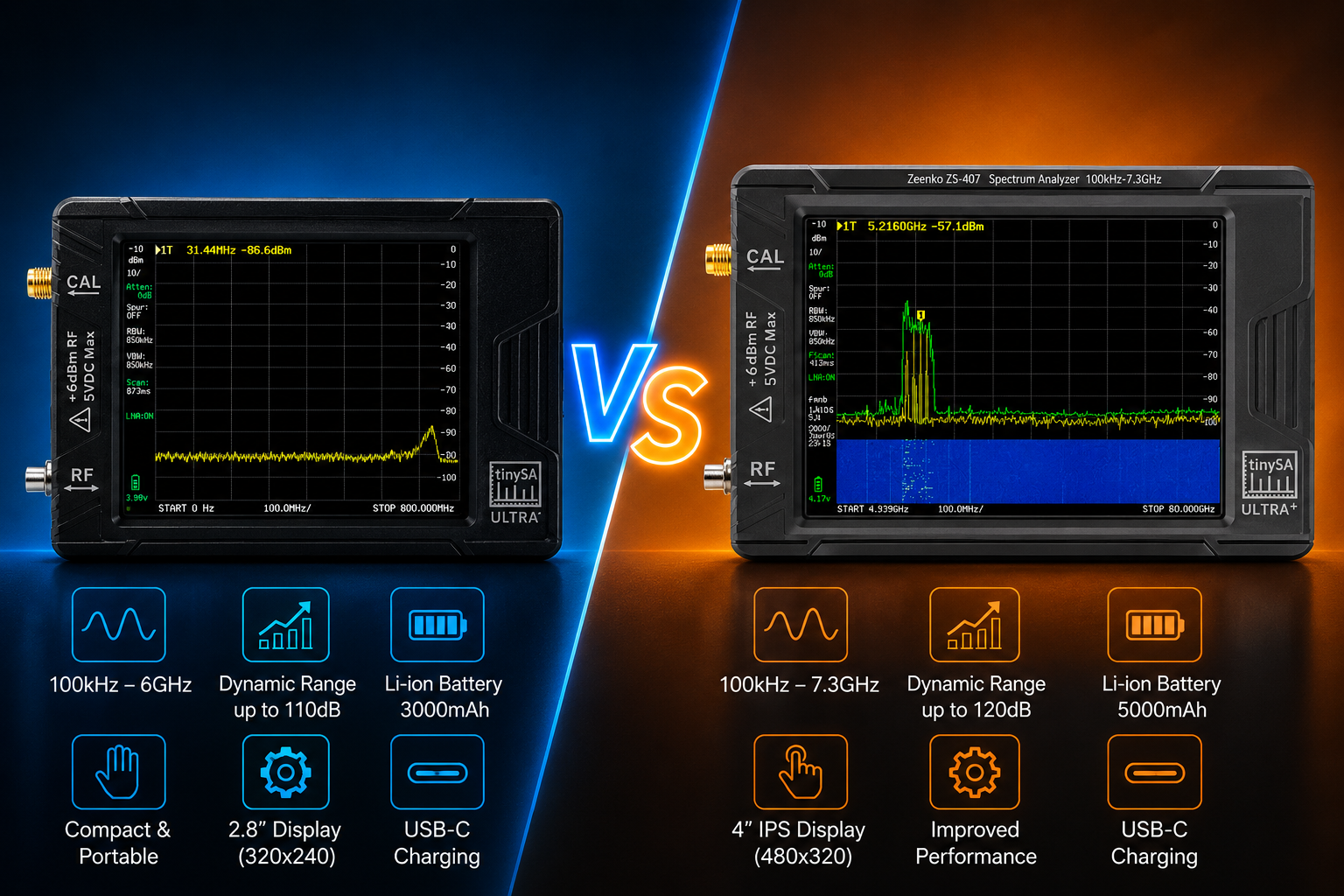
TinySA Ultra vs TinySA Ultra Plus: Which Spectrum Analyzer Should You Buy?
The tinySA Ultra and tinySA Ultra Plus are compact handheld spectrum analyzers designed for RF signal inspection, interference hunting, transmitter checks, spectrum education, SDR troubleshooting, and basic signal-generator work. They look similar and...
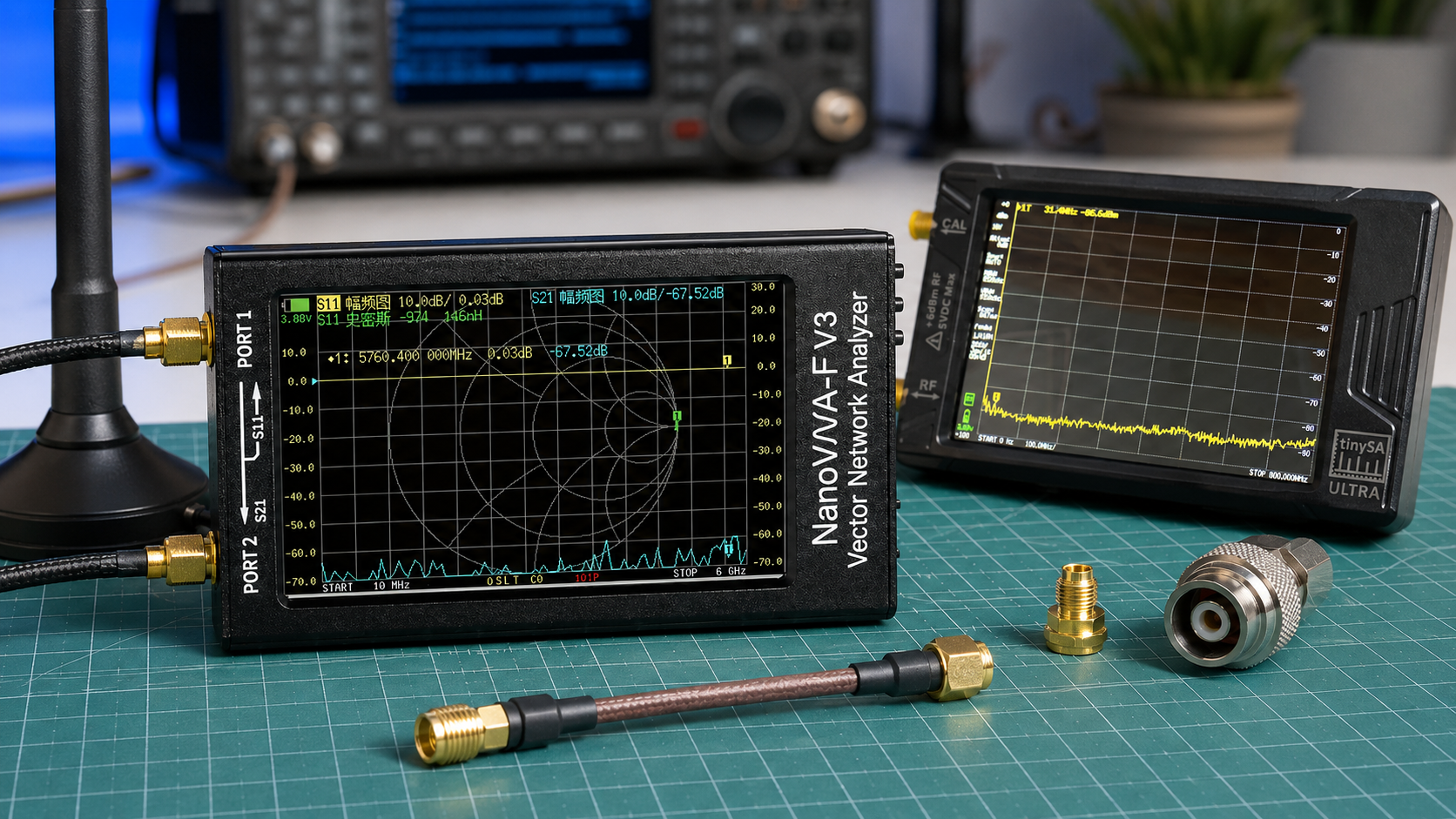
SWR vs Impedance vs Return Loss: Antenna Measurements Explained
When you test an antenna with a NanoVNA or antenna analyzer, you may see several different measurements: SWR, impedance, return loss, S11, Smith Chart, resistance, reactance, and mismatch loss. These numbers are related, but they do not mean the same...
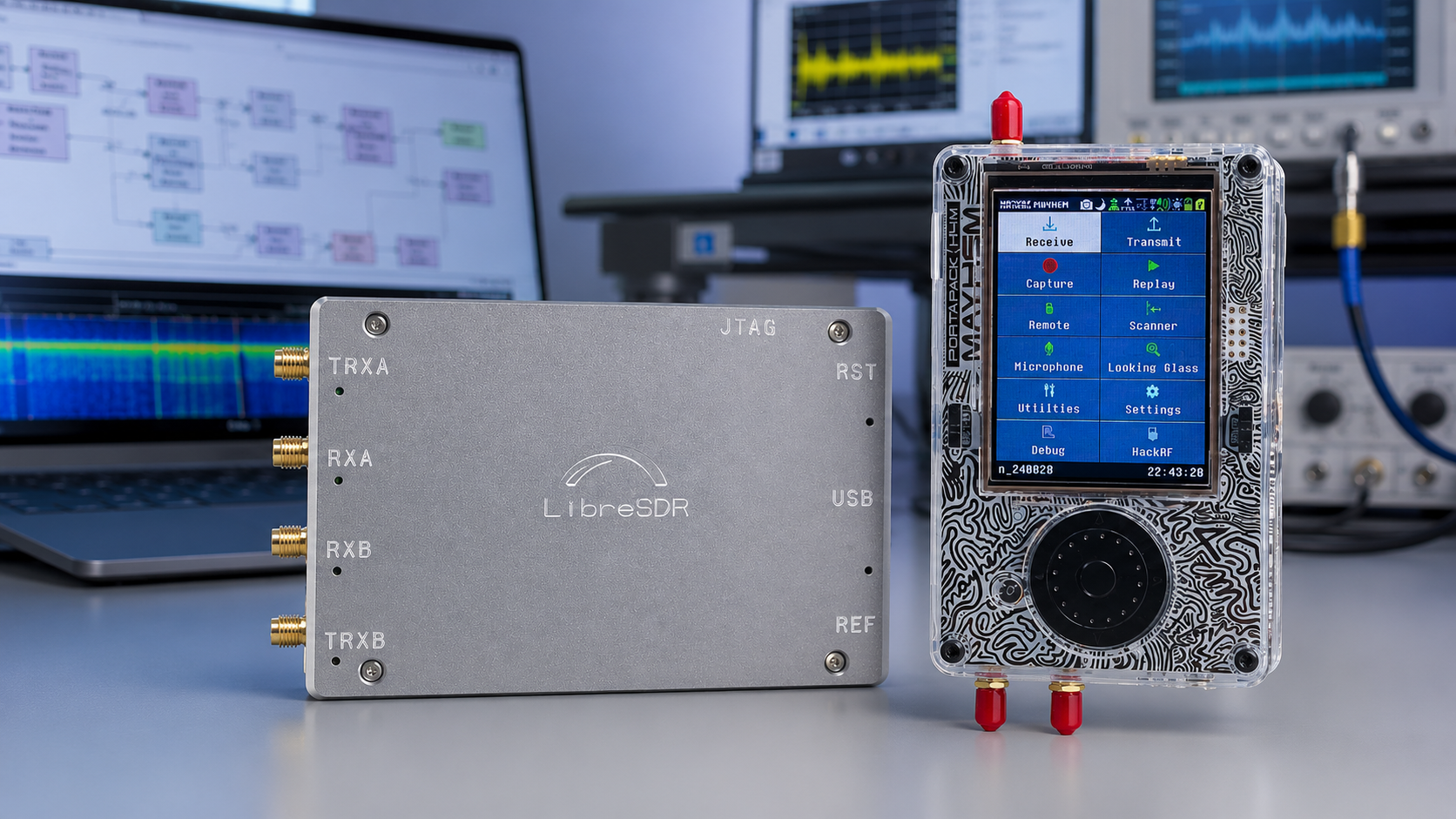
Best SDR for GNU Radio Projects: Student, Hobbyist, Lab, and Research Setups
GNU Radio is one of the best platforms for learning, prototyping, and researching software-defined radio. It can be used for simple receive-only lessons, spectrum analysis, digital modulation, packet radio, LoRa experiments, RF cybersecurity training, MIMO...
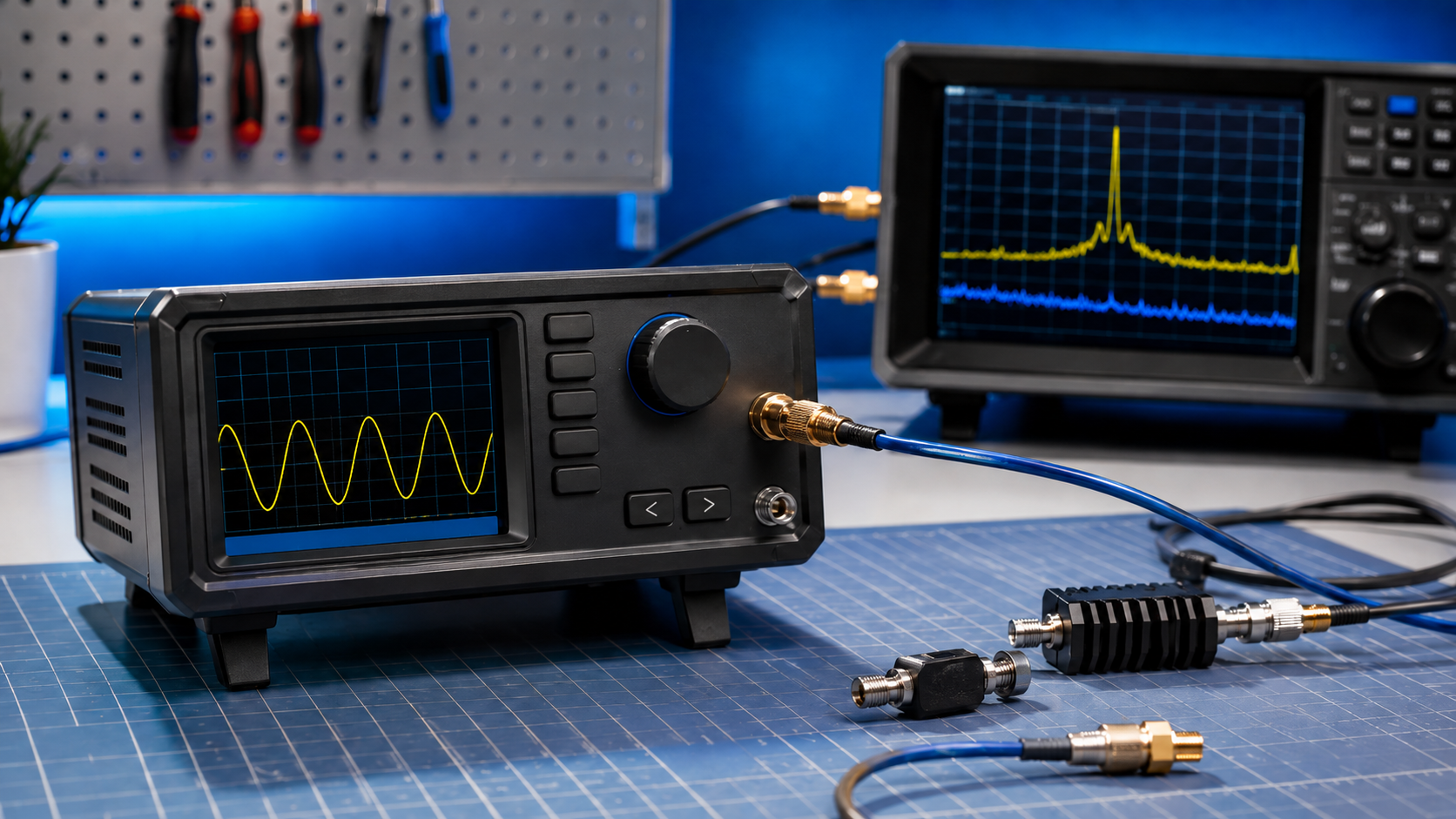
What Is a Signal Generator? RF Signal Generators Explained for Beginners
A signal generator is a test instrument that creates a known electrical signal. In RF work, an RF signal generator creates radio-frequency test signals so engineers, students, ham radio users, SDR hobbyists, product developers, and laboratories can test...
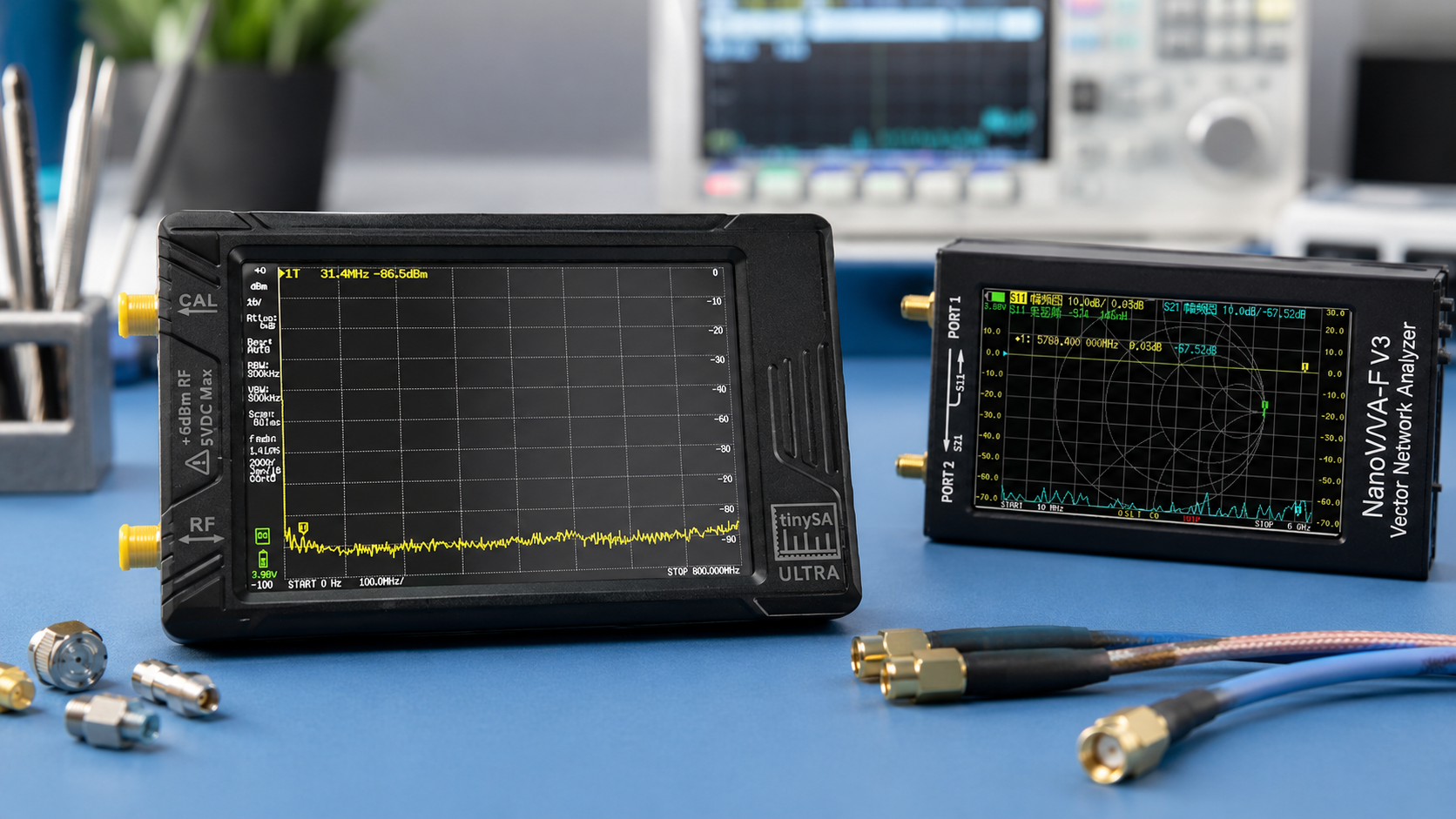
What Is a Spectrum Analyzer? Beginner Guide for RF Testing
A spectrum analyzer is a test instrument that shows signals by frequency. Instead of showing voltage over time like an oscilloscope, it shows signal power across a frequency range. This makes it one of the most useful tools for RF testing, interference...
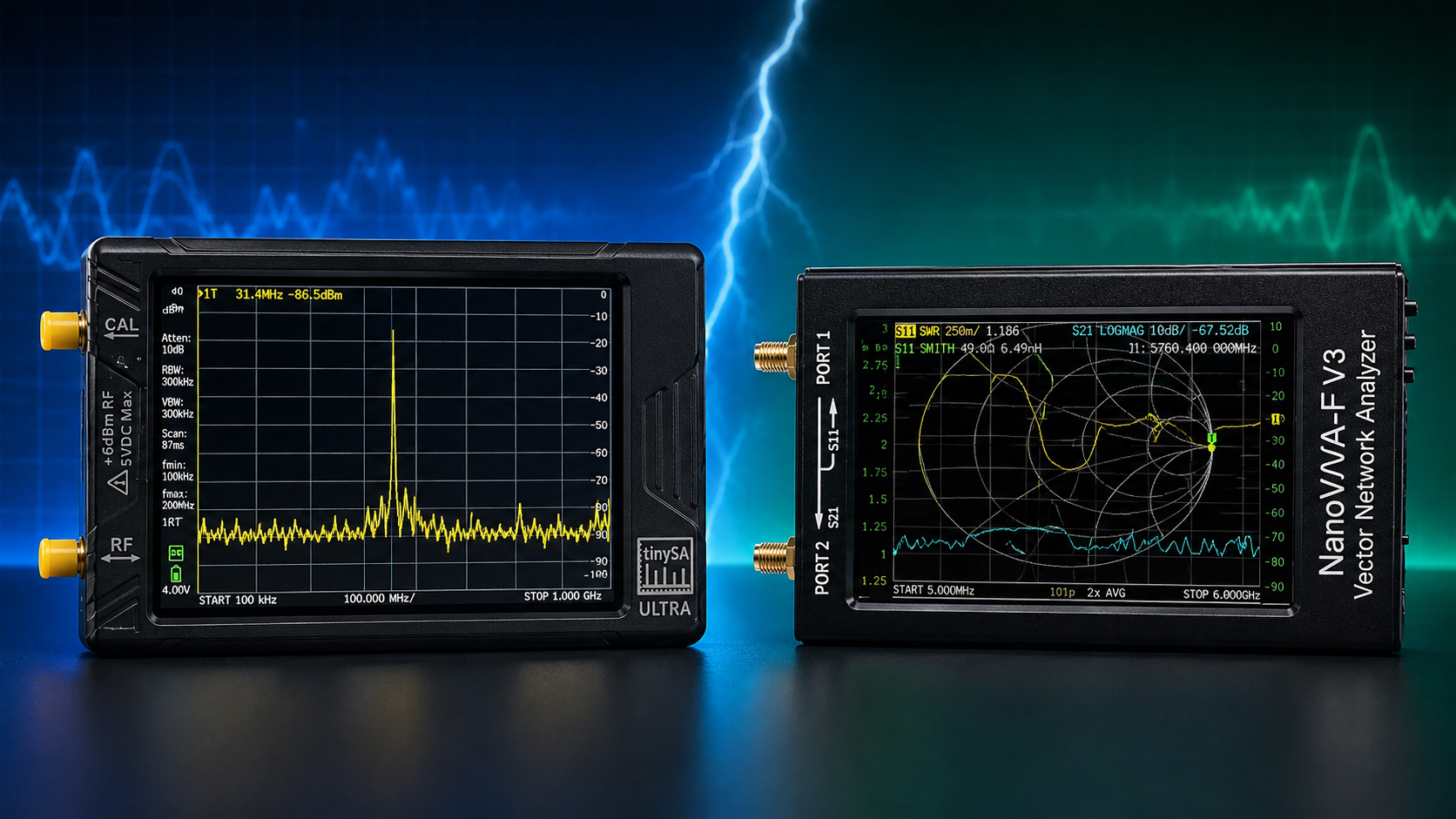
Spectrum Analyzer vs Oscilloscope: Which Tool Do You Need?
A spectrum analyzer and an oscilloscope are two of the most important test instruments in electronics and RF work, but they answer different questions. An oscilloscope shows how a signal changes over time. A spectrum analyzer shows how signal power is...
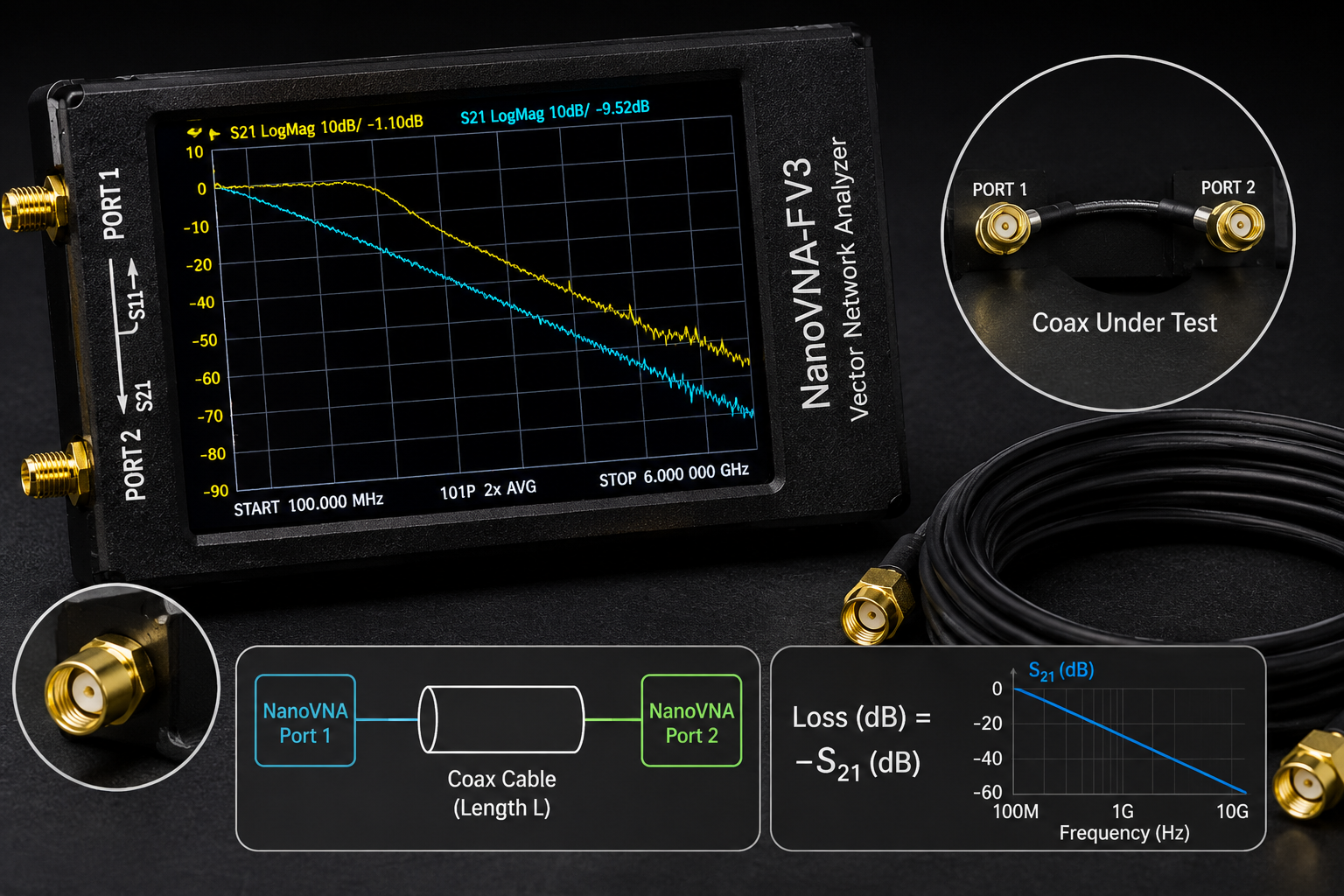
How to Test Coax Cable Loss with a NanoVNA
Coax cable loss is one of the easiest RF problems to ignore and one of the easiest RF problems to measure. A receiver may be good, the antenna may be tuned, and the software may be configured correctly, but a long or poor-quality coax cable can still...
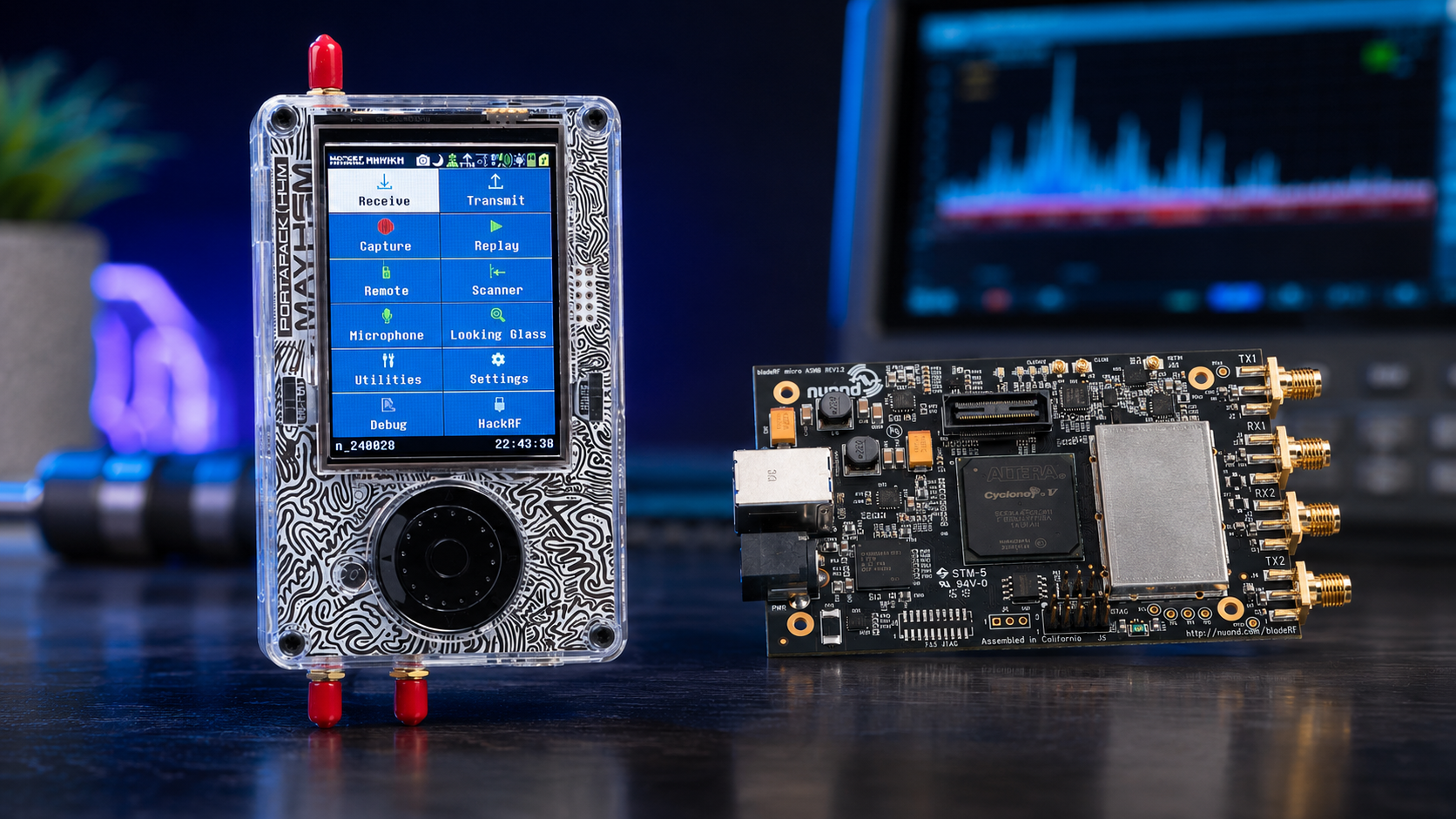
Sub-GHz Security Testing Tools: 315, 433, 868, and 915 MHz Monitoring Hardware
Sub-GHz wireless devices are everywhere: gate remotes, garage remotes, alarm sensors, weather stations, smart meters, LoRa sensors, wireless doorbells, industrial telemetry, remote controls, agricultural sensors, asset trackers, building automation...
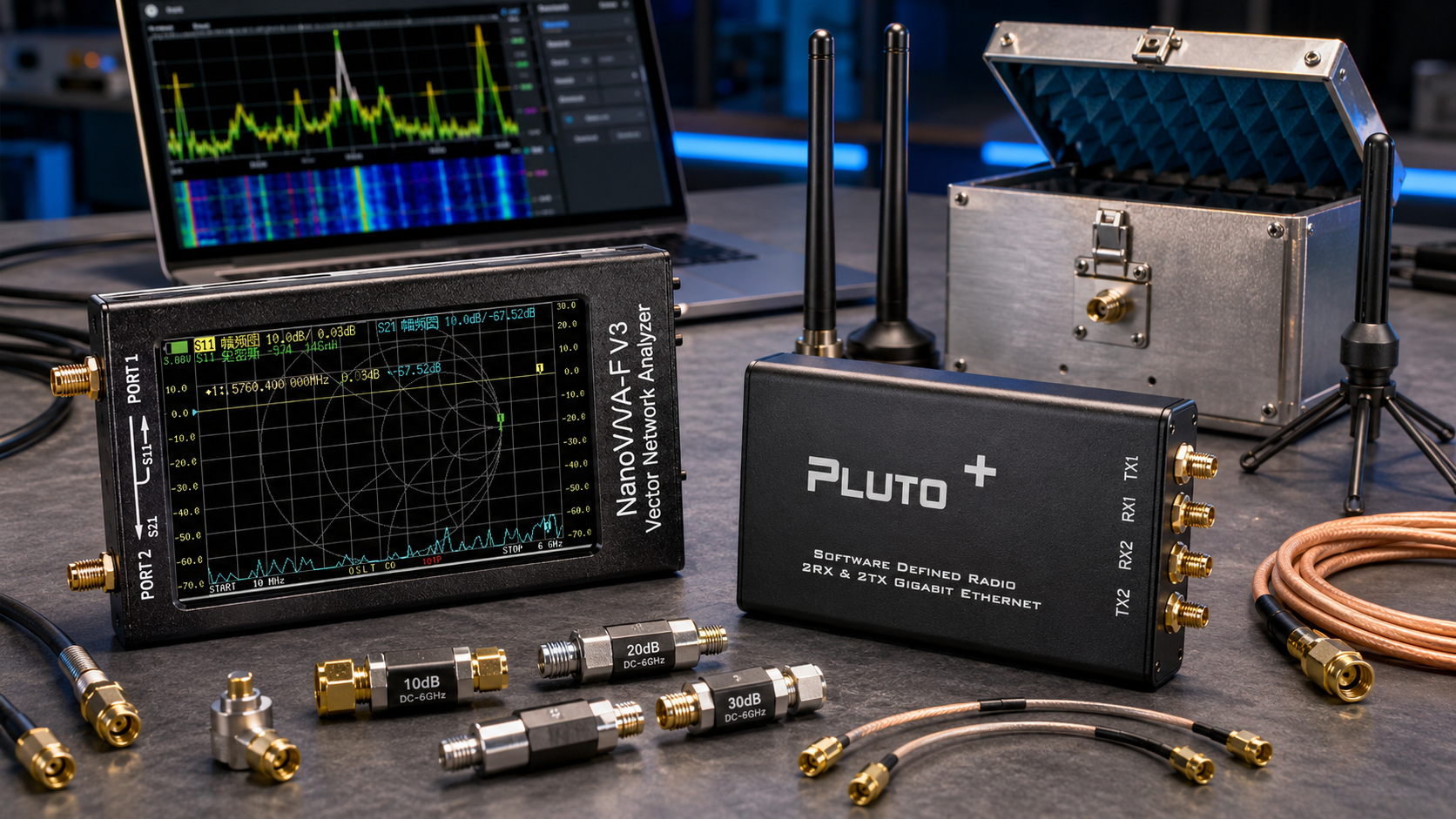
RF Cyber Range Hardware: SDRs, Antennas, Attenuators, Shield Boxes, and Test Signals
An RF cyber range is a controlled training and testing environment where cybersecurity teams, universities, RF engineers, product-security labs, and wireless researchers can safely study radio systems. Instead of testing against live public networks or...






We support all major card and digital payment options. More local methods are available and shown during checkout.
You enter into a binding sales contract once you have received an 'order confirmation and sales receipt' email from us, in line with our Sales & Delivery conditions. Therefore, sdrstore.eu has the right to cancel your order in the event of technical problems, delivery failure, Fair use policy and other similar situations.






Your payments are protected by advanced encryption and 3-D Secure authentication for safe online shopping.