





SDRstore.eu Blog | SDR, Electronics & Tech Guides- page 3
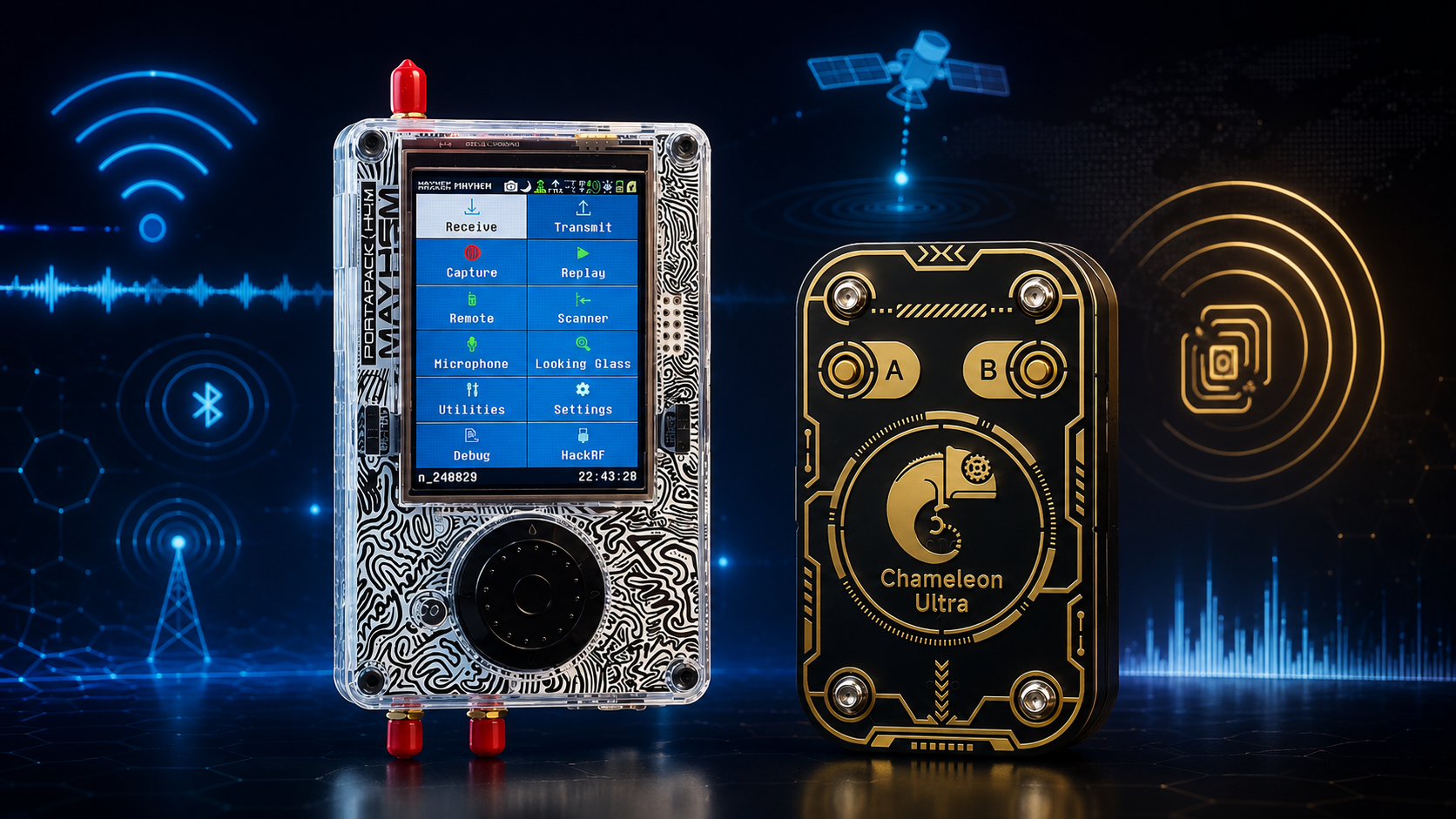

Wireless Attack Surface Mapping: WiFi, BLE, RFID, NFC, LoRa, GNSS, and SDR Monitoring
Most organizations think about wireless security only as WiFi security. That is no longer enough. A modern facility can have WiFi access points, Bluetooth devices, BLE beacons, RFID badges, NFC readers, LoRa sensors, Sub-GHz telemetry, GNSS timing...
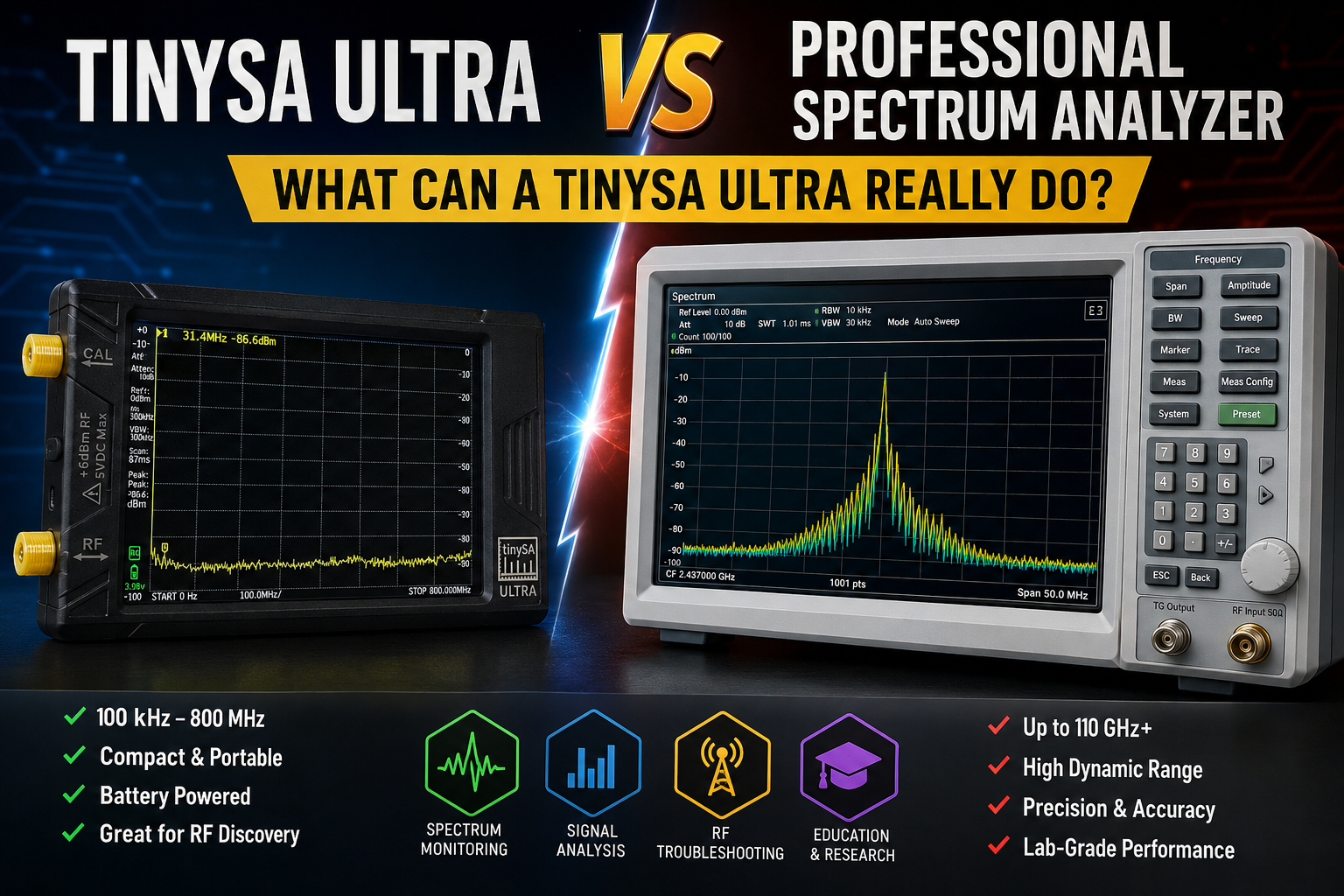
TinySA vs Professional Spectrum Analyzer: What Can a TinySA Ultra Really Do?
The tinySA Ultra is one of the most popular low-cost RF tools because it gives beginners, ham radio users, SDR hobbyists, students, and field technicians a portable way to see RF signals without buying a professional bench spectrum analyzer. It can show...
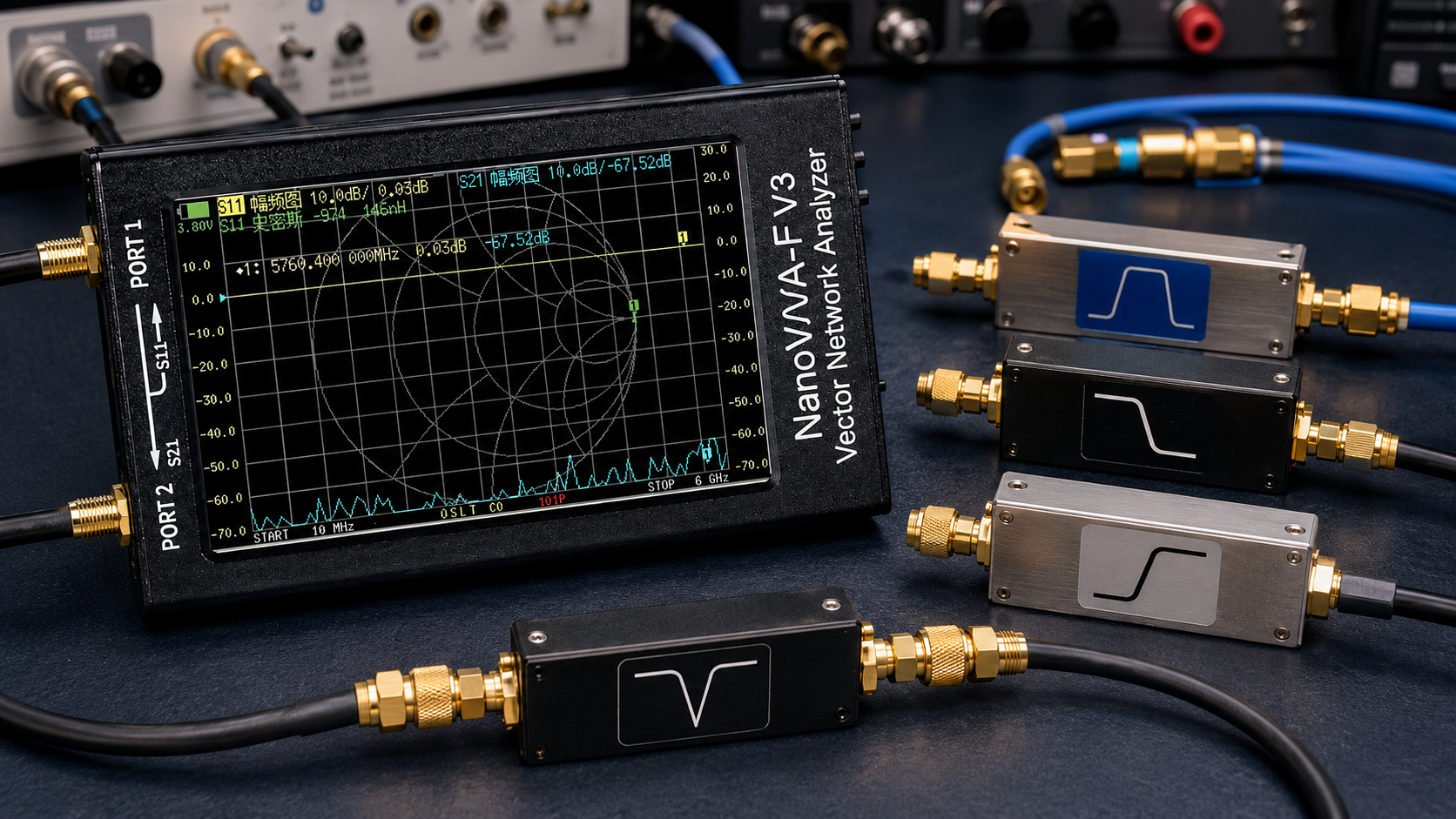
How to Test RF Filters with a NanoVNA: Band-Pass, Low-Pass, High-Pass, and Notch Filters
A NanoVNA is one of the most useful low-cost RF tools for testing filters. With a proper calibration and a simple two-port setup, it can show whether a band-pass filter passes the correct frequency range, whether a low-pass filter rolls off where expected,...
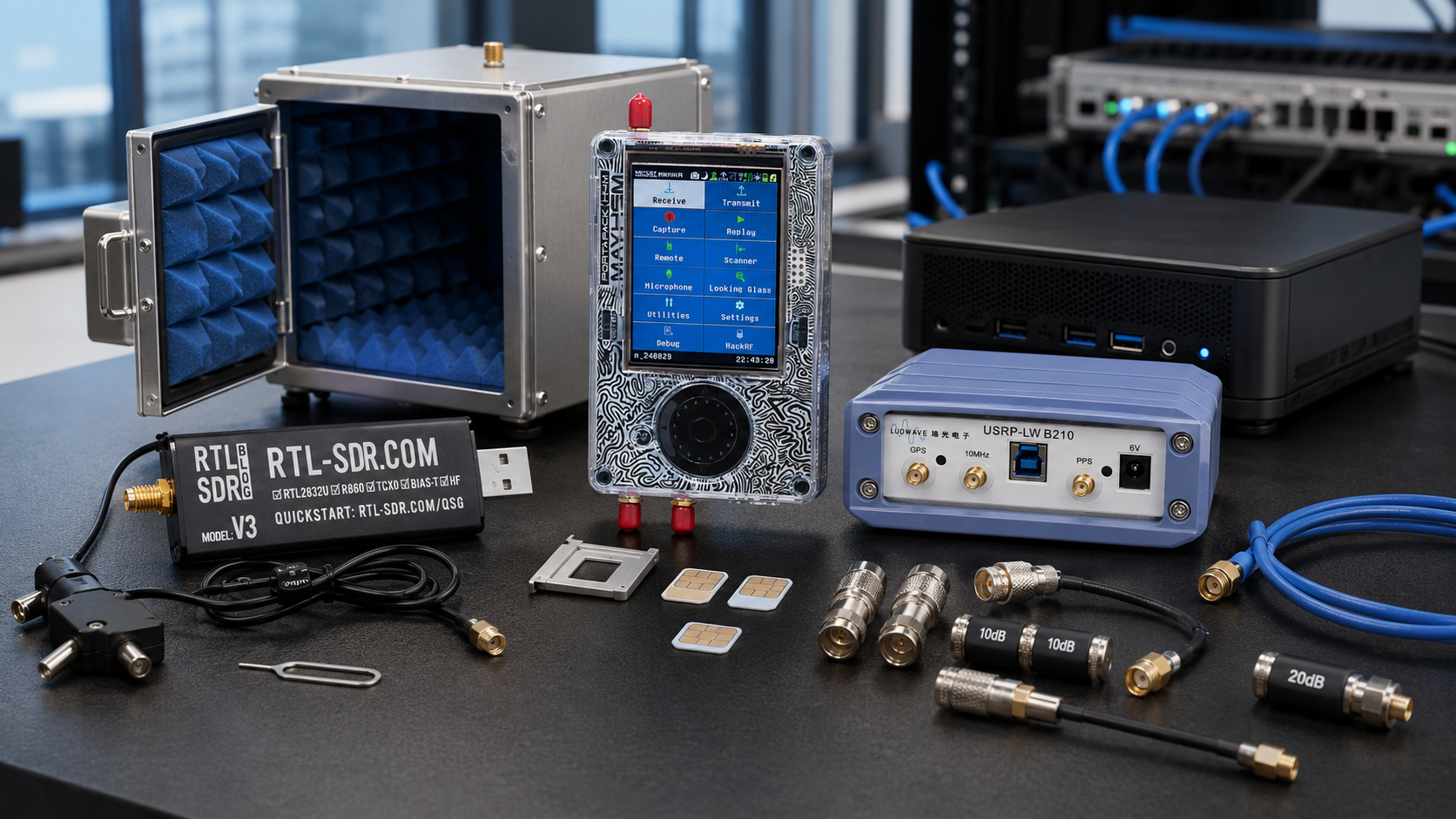
Private 5G Lab Hardware Checklist: SDR, Core Network, SIMs, RF Shielding, and Attenuators
A private 5G lab is one of the most useful testbeds a university, telecom team, cybersecurity lab, IoT company, or RF research group can build. It allows engineers and researchers to run a controlled 5G standalone network, connect test phones or modem...
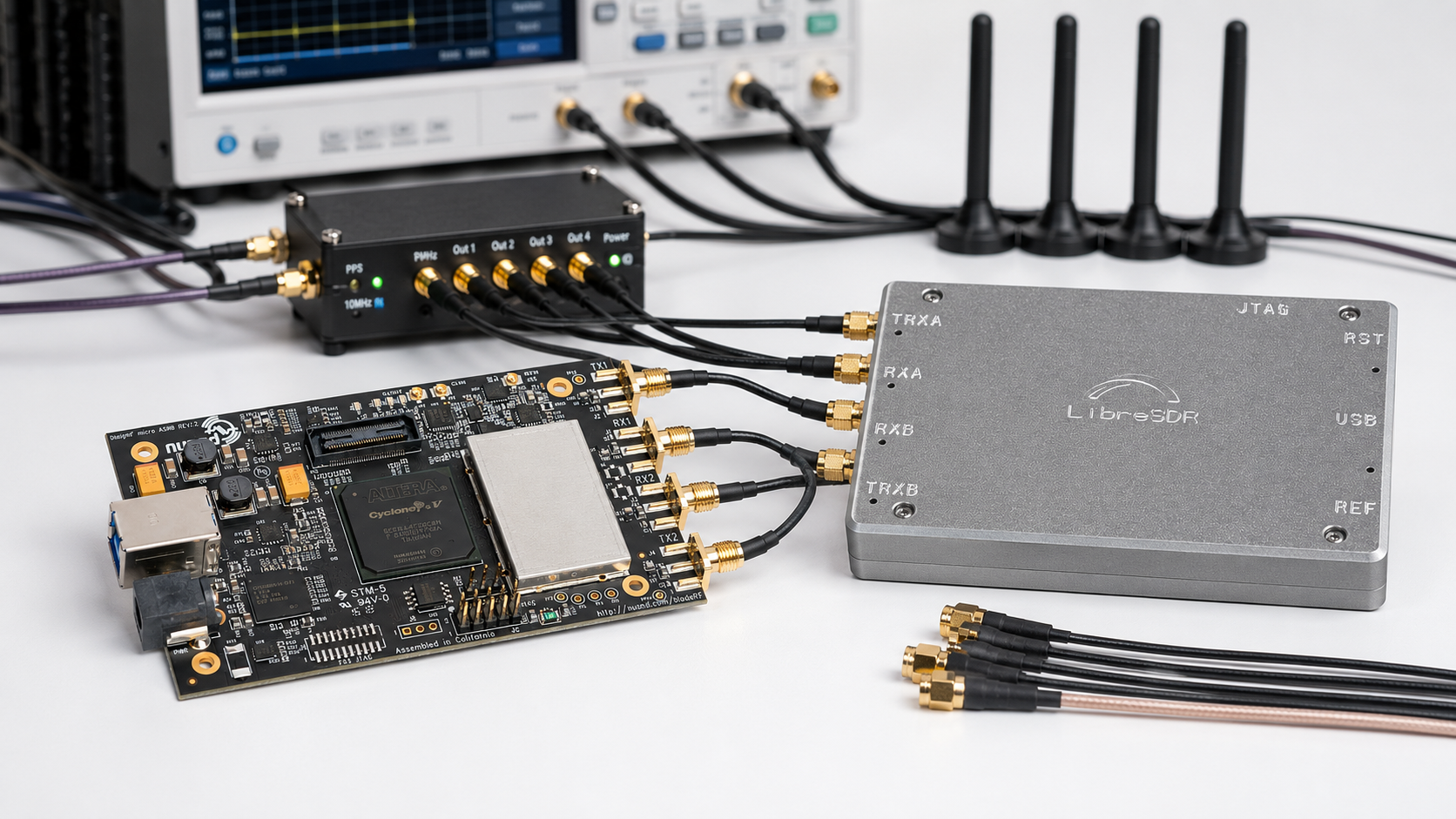
MIMO Testbed Hardware: 2×2, 4×4, Synchronization, Clocks, and Antennas
A MIMO testbed is one of the most useful RF research setups a university, telecom lab, 5G/6G team, AI-RAN group, or wireless engineering department can build. It allows researchers to test multiple-input multiple-output communication, beamforming, channel...
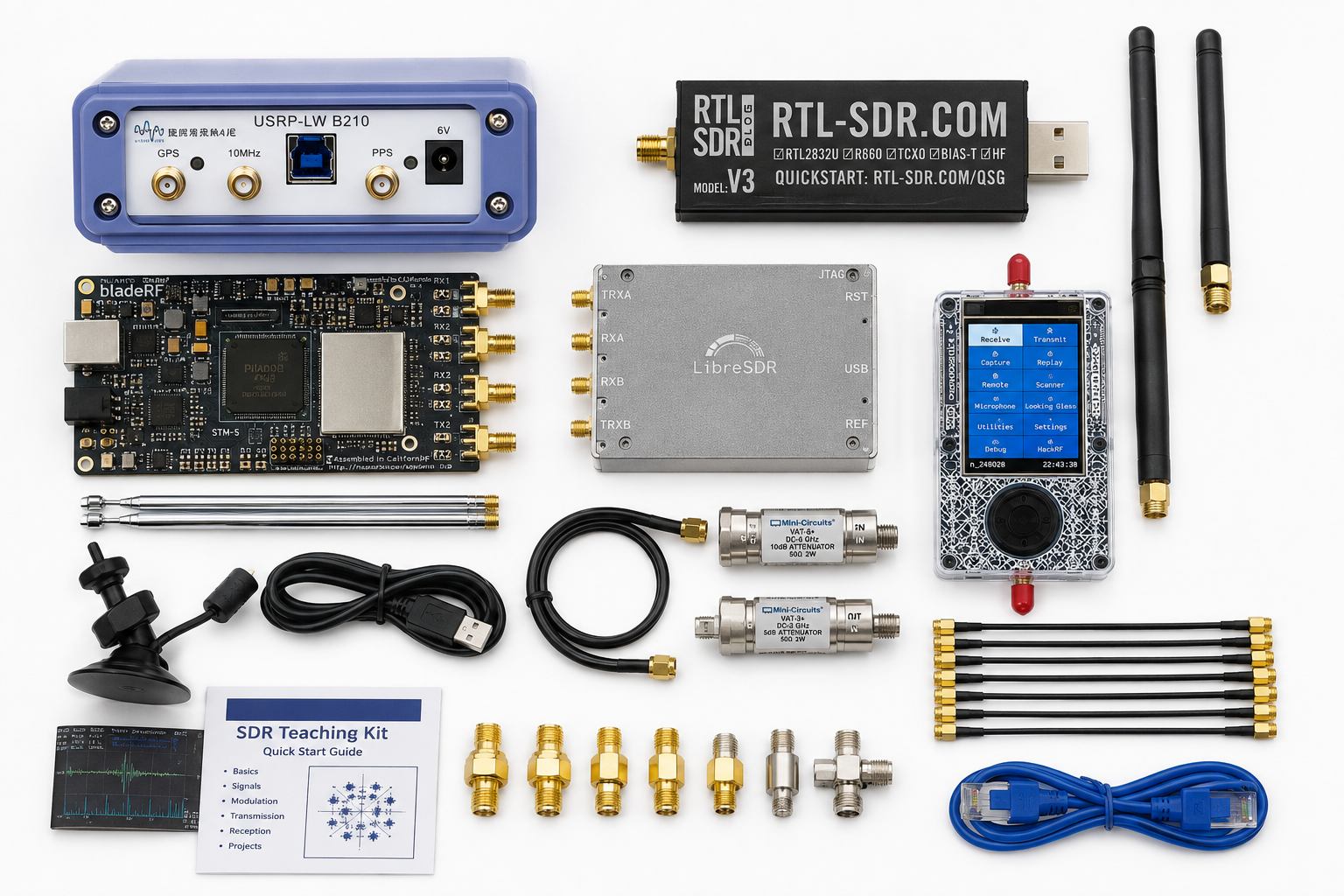
SDR Hardware for Wireless Communications Courses: Teaching Kits for Universities
Software-defined radio is one of the best ways to teach modern wireless communications. Instead of explaining modulation, filtering, sampling, antennas, channel effects, MIMO, and cellular systems only on a whiteboard, universities can let students receive...
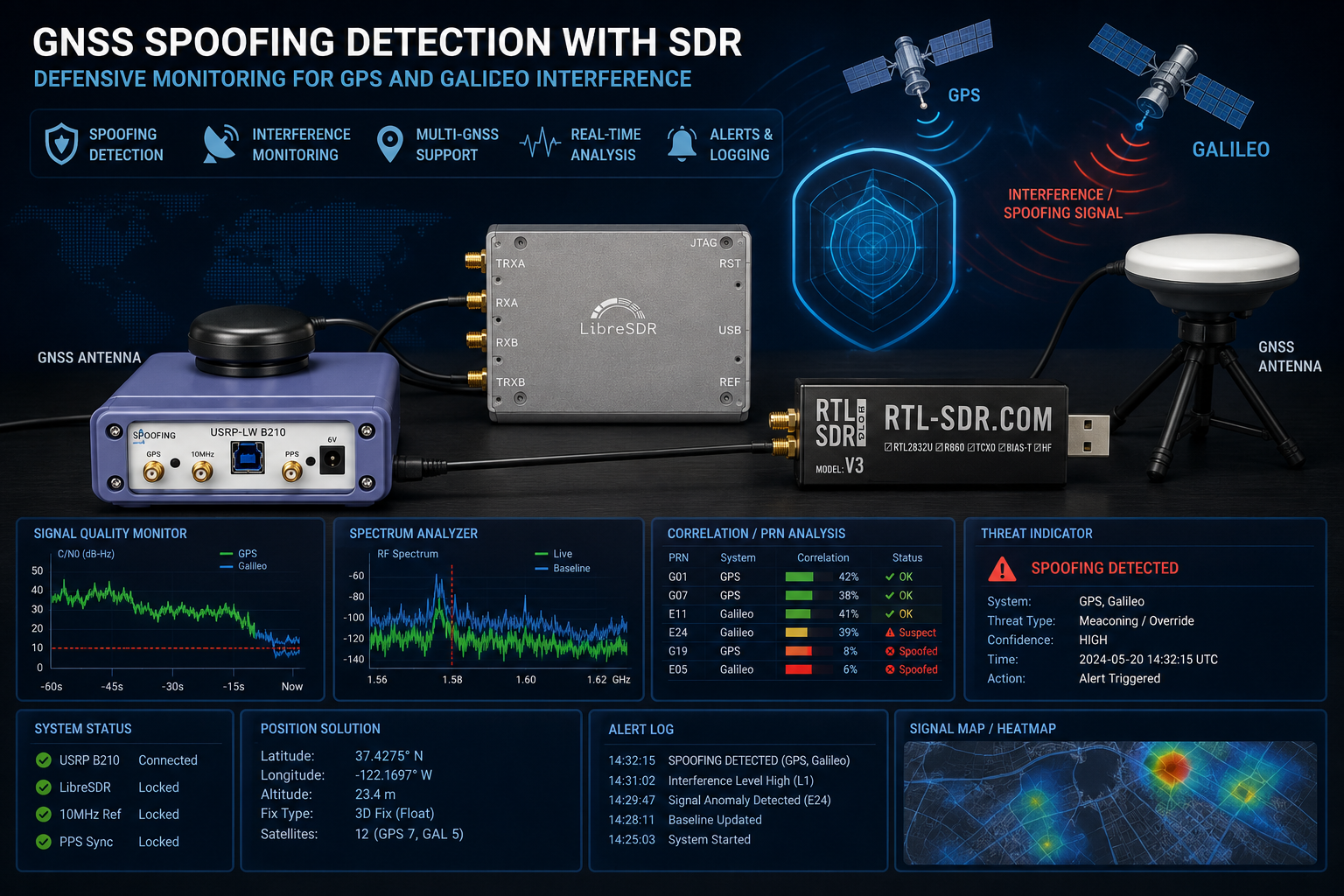
GNSS Spoofing Detection with SDR: Defensive Monitoring for GPS and Galileo Interference
GPS and Galileo are critical for navigation, timing, logistics, aviation, maritime operations, telecom synchronization, drones, surveying, agriculture, finance, and industrial automation. When GNSS signals are jammed or spoofed, the result can be wrong...
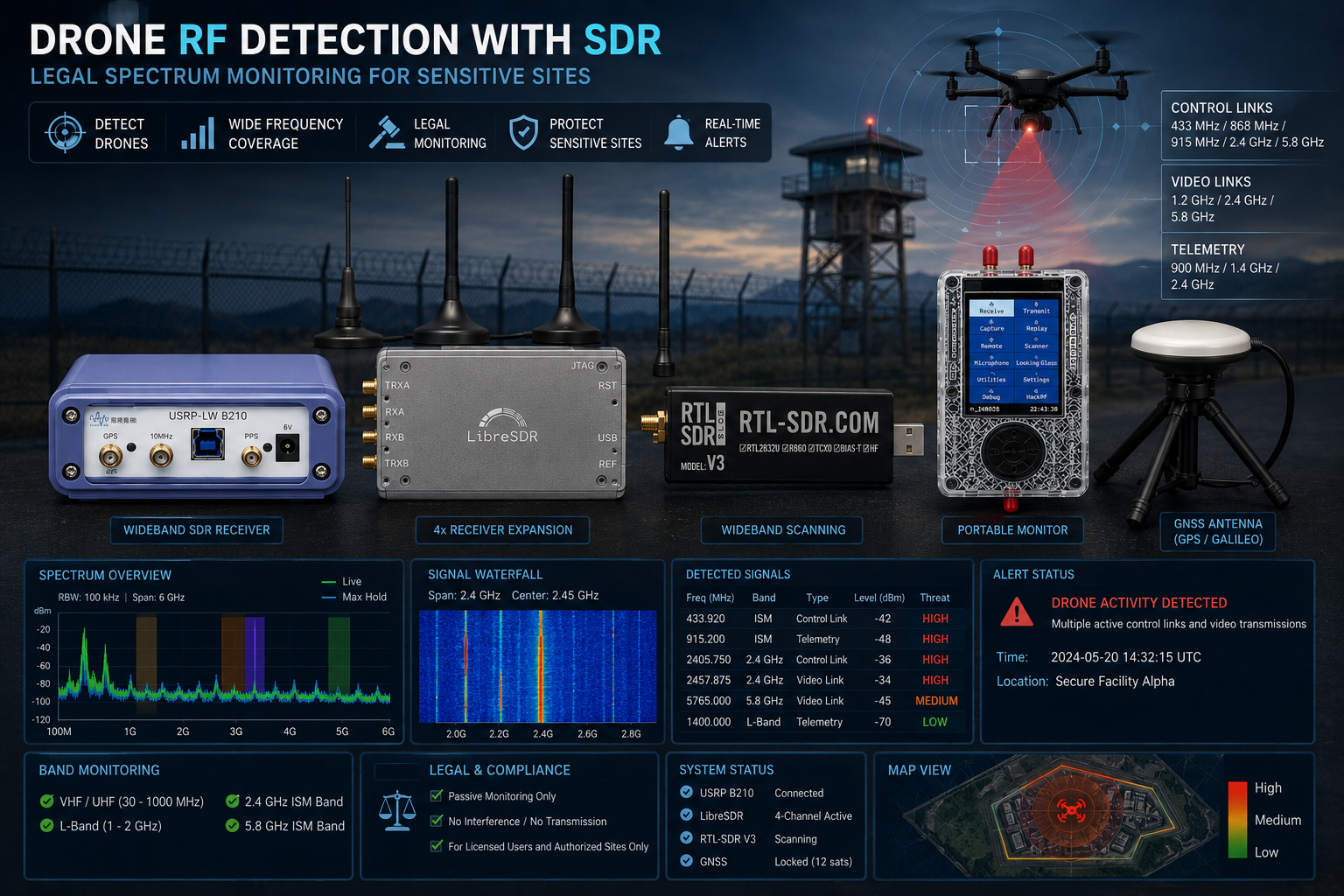
Drone RF Detection with SDR: Legal Spectrum Monitoring for Sensitive Sites
Drones are now common around industrial sites, data centers, ports, warehouses, airports, prisons, campuses, energy facilities, events, and research locations. Most flights are legal, but sensitive sites still need situational awareness: what RF activity...
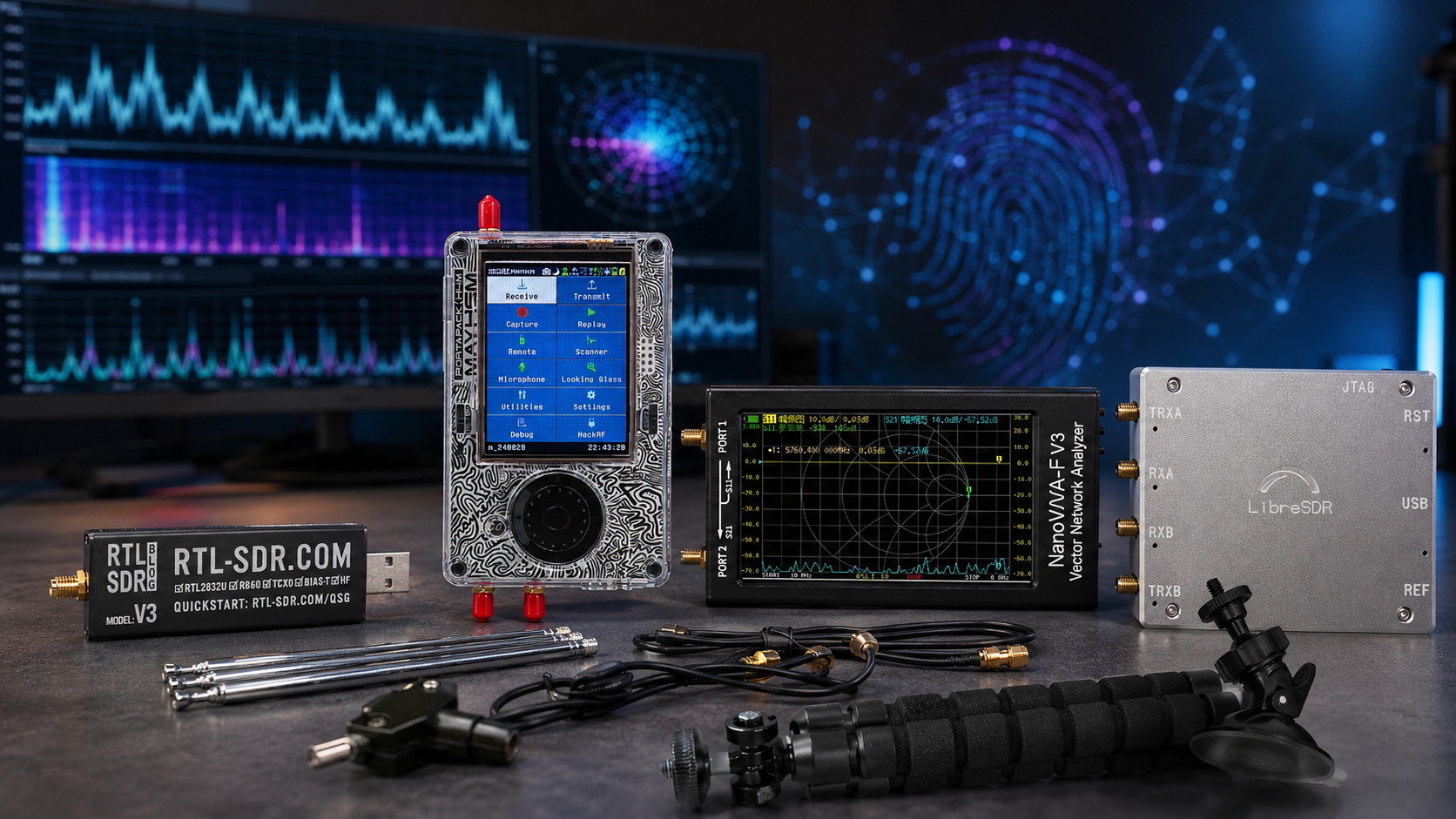
RF Fingerprinting Explained: How SDR and Machine Learning Can Identify Transmitters
RF fingerprinting is a defensive wireless research technique that tries to identify a radio transmitter from the tiny imperfections in its transmitted signal. Even two devices of the same model can have slightly different RF behavior because of oscillator...
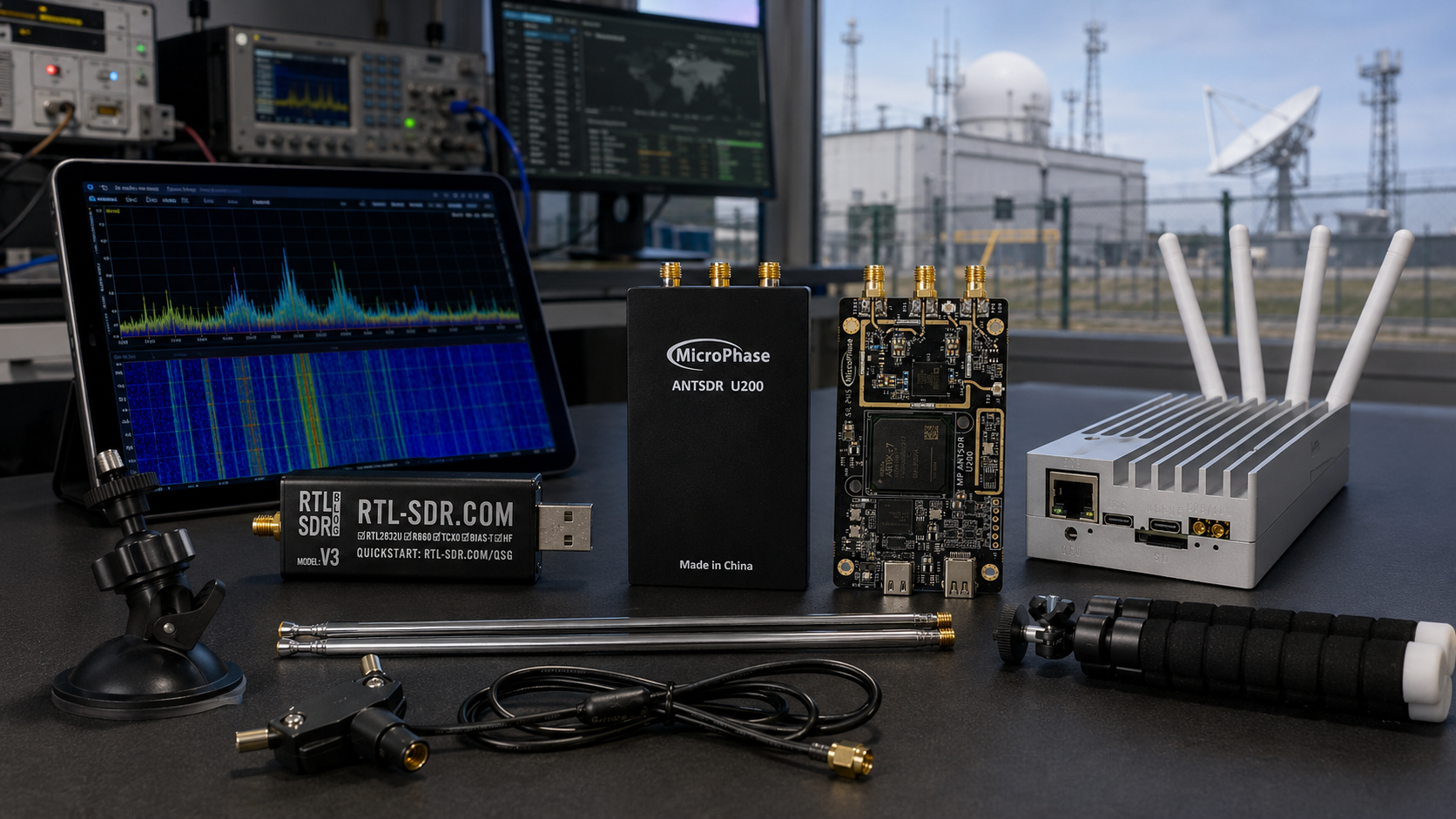
RF Spectrum Monitoring for Facilities, Labs, and Critical Infrastructure
RF spectrum monitoring helps facilities, laboratories, campuses, factories, data centers, ports, airports, warehouses, utilities, and critical-infrastructure operators understand what is happening in the radio environment around them. A good monitoring...
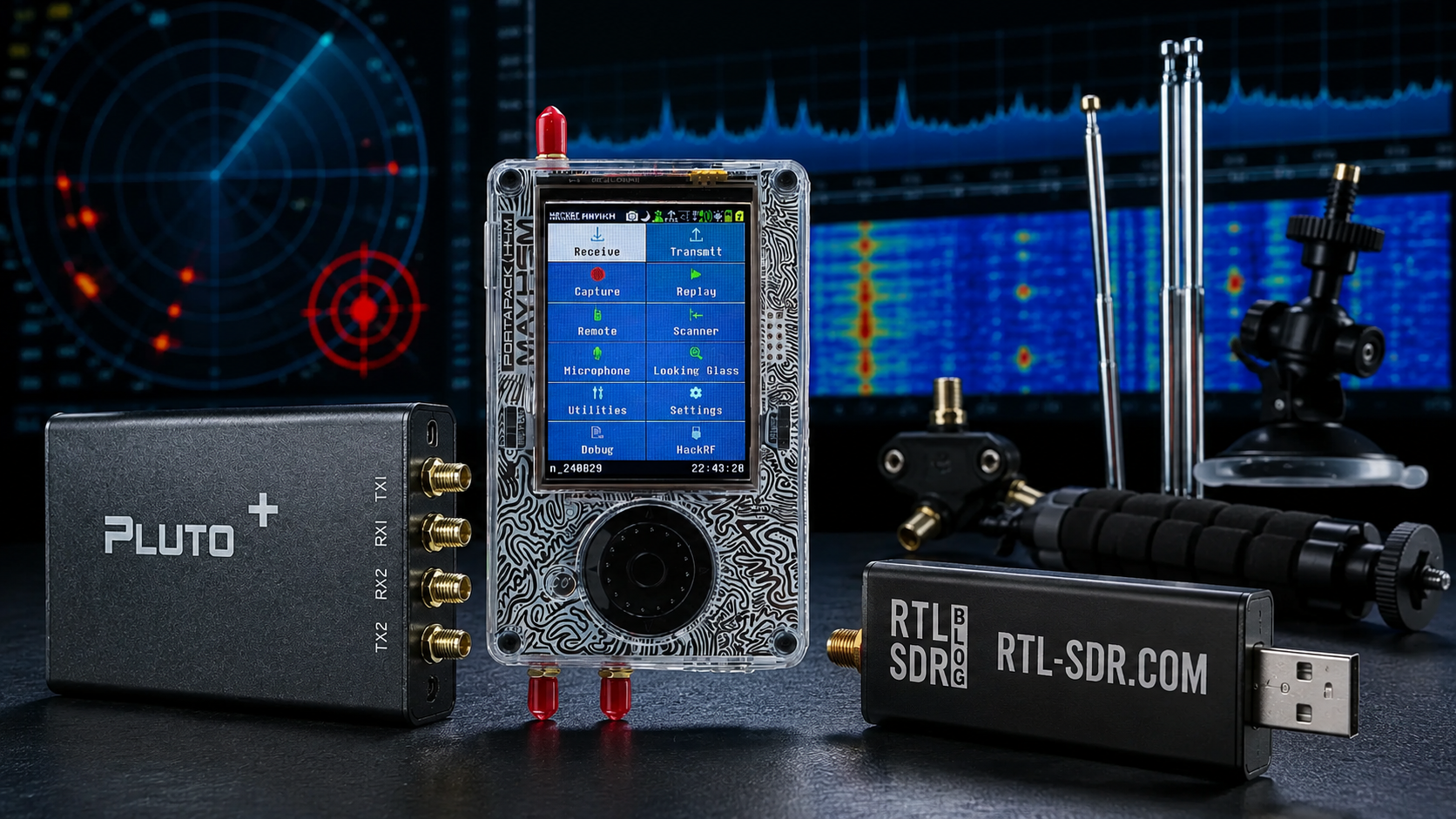
Detecting Rogue Wireless Devices with SDR: Defensive RF Monitoring Guide
Rogue wireless devices are a real risk for facilities, laboratories, corporate networks, universities, warehouses, data centers, retail sites, factories, and critical infrastructure. A rogue device can be a small Wi-Fi access point hidden under a desk, an...
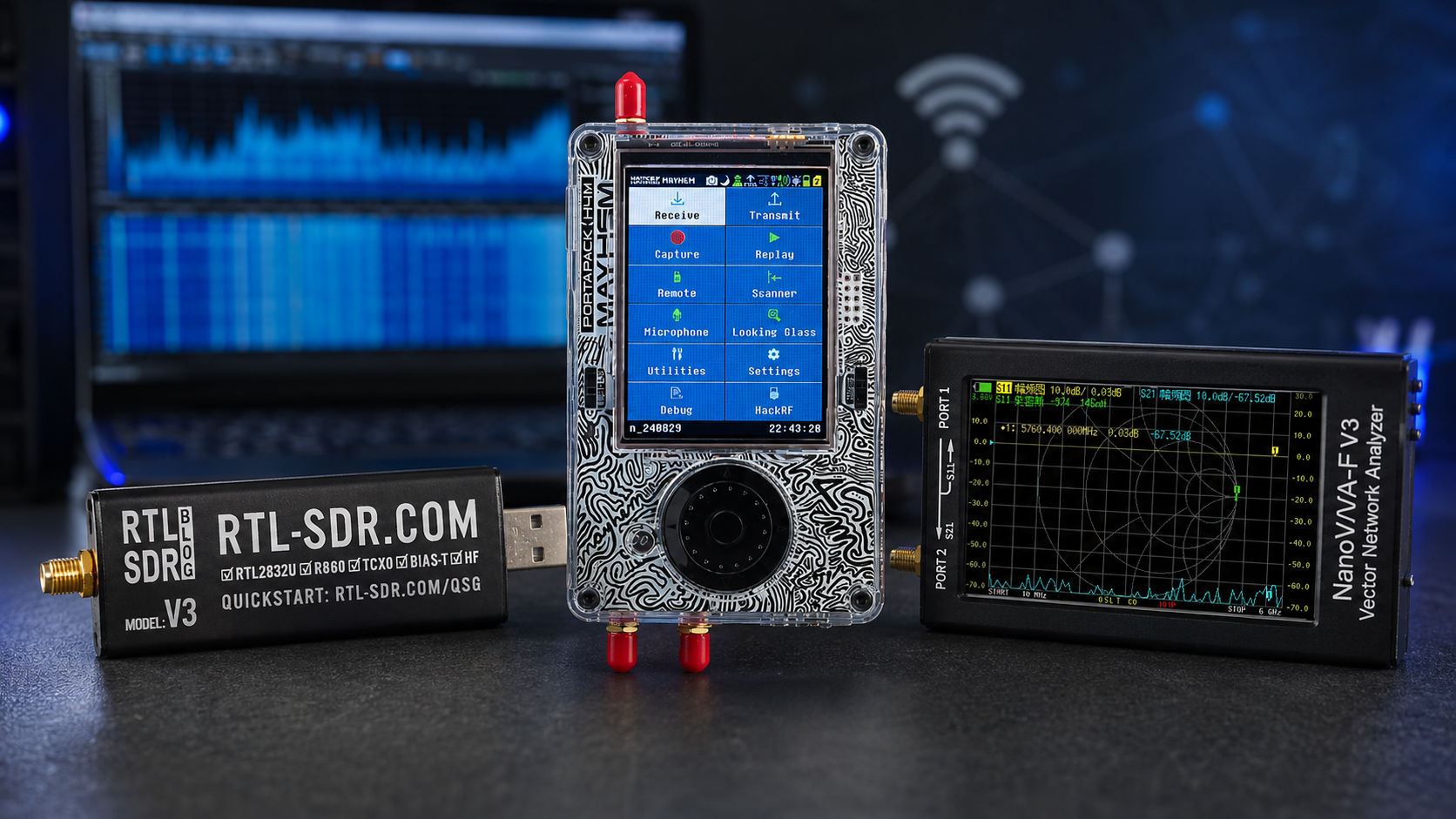
WiFi Packet Capture Hardware for Wireless Security Audits
WiFi packet capture is one of the most important skills in an authorized wireless security audit. It allows engineers, cybersecurity teams, universities, and network administrators to inspect 802.11 management frames, beacon frames, probe requests, roaming...
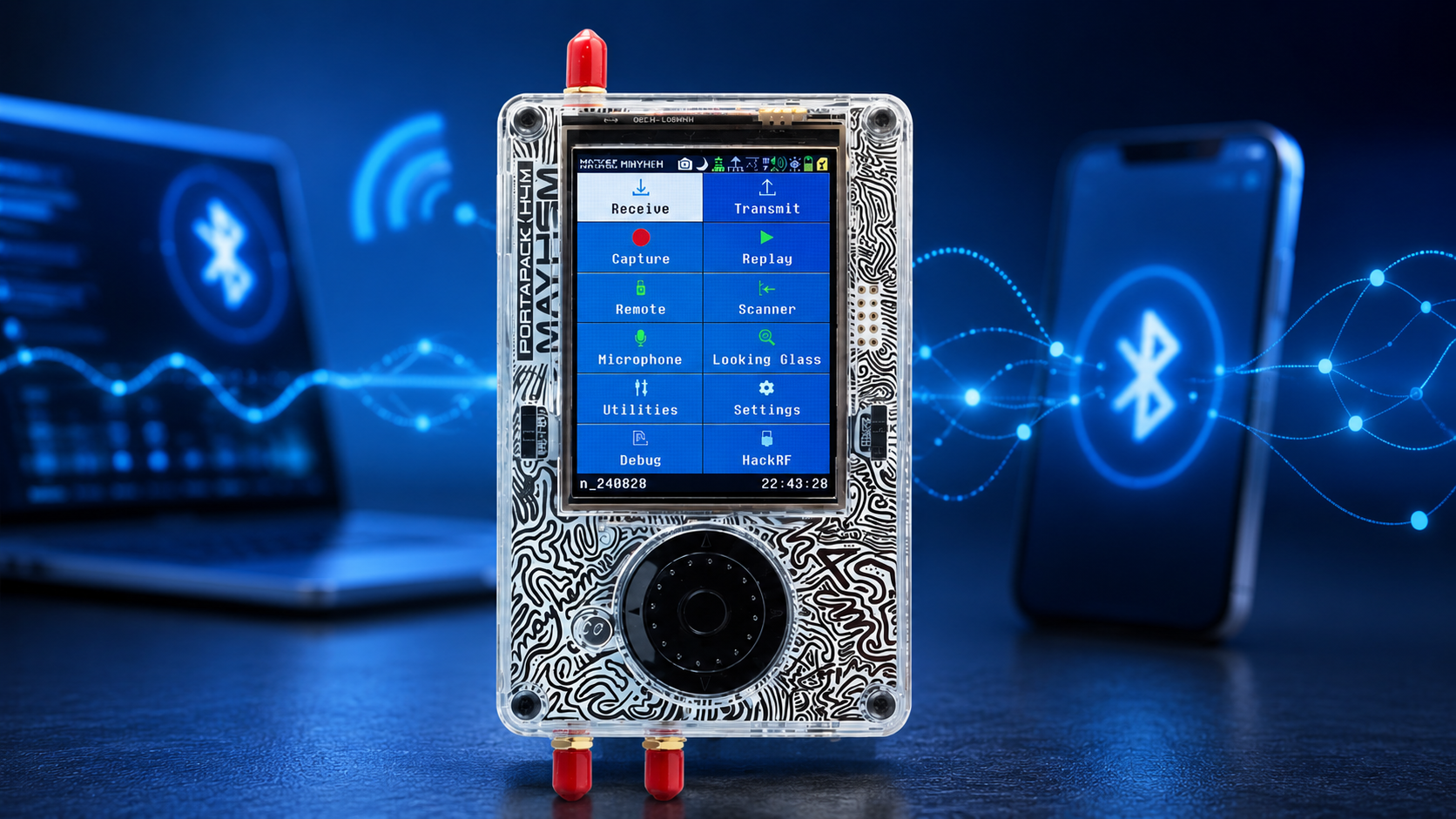
BLE Sniffing Hardware for Authorized Bluetooth Security Testing
Bluetooth Low Energy is everywhere: smart locks, sensors, medical devices, wearables, asset tags, industrial IoT, beacons, access-control systems, mobile apps, keyboards, headphones, gateways, and connected products. For cybersecurity teams and product...
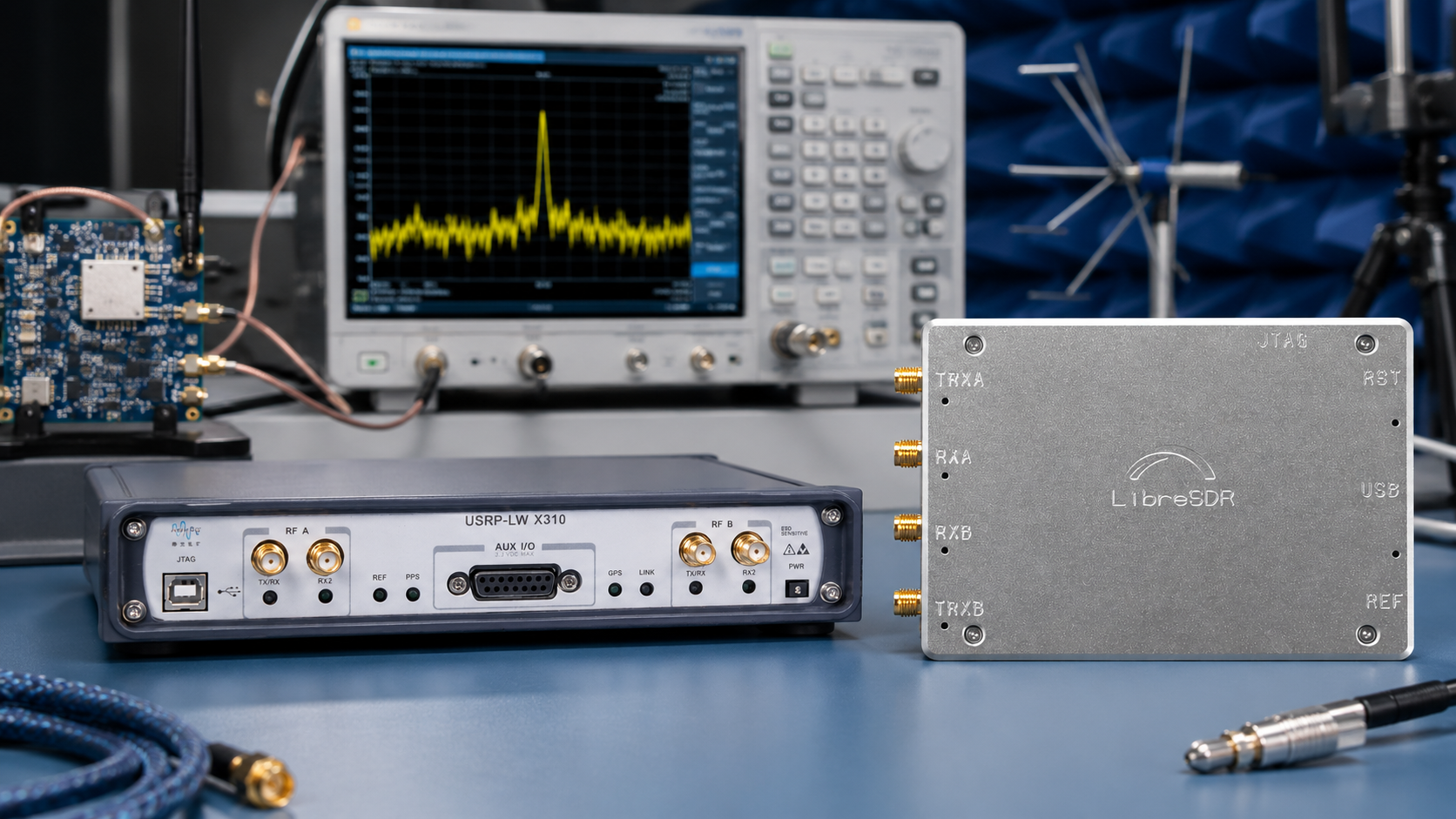
SDR Hardware for RF Product Testing: Pre-Compliance, Interference, and Signal Validation
RF product testing is not only for large certification laboratories. If your company builds IoT devices, wireless sensors, antennas, BLE products, LoRa nodes, Sub-GHz transmitters, RF modules, SDR-based prototypes, access-control hardware, telemetry...
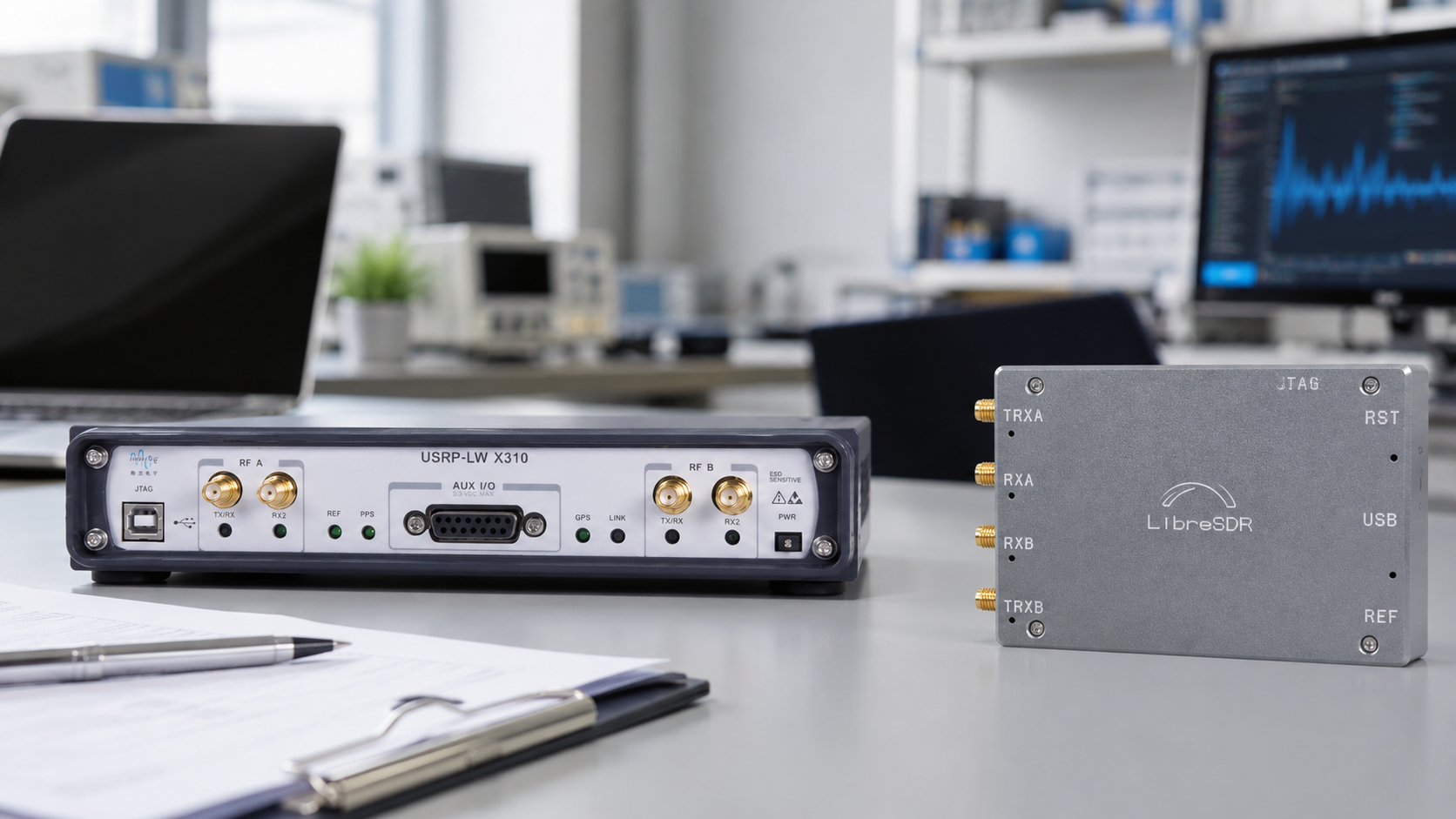
How to Choose SDR Hardware for a Research Grant or University Purchase Order
Choosing SDR hardware for a research grant or university purchase order is different from buying one receiver for personal experiments. A grant-funded SDR purchase must be technically justified, compatible with the project goals, easy to document, and...
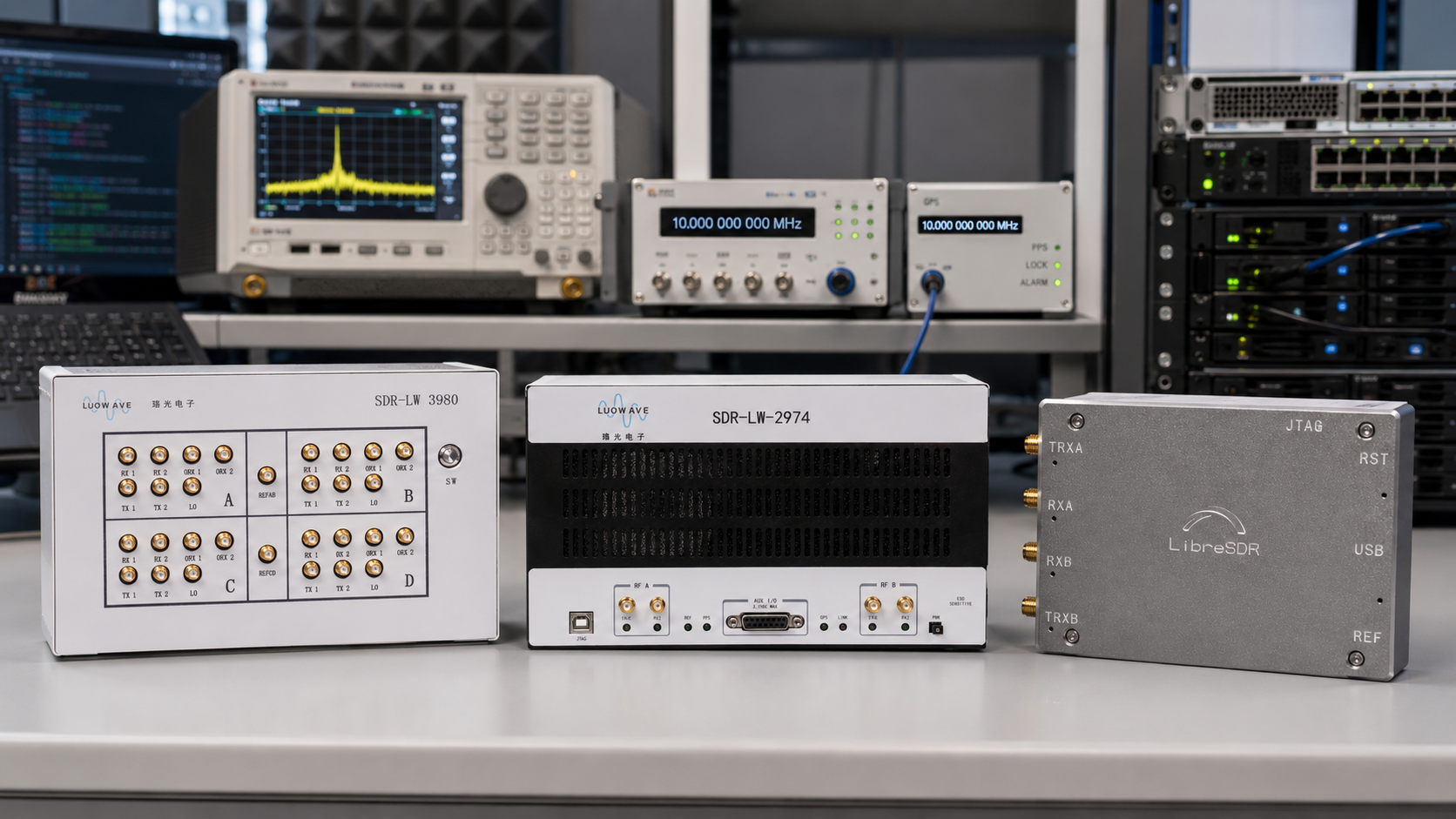
O-RAN Research Lab Hardware: USRP, Compute, Networking, Timing, and RF Test Equipment
Building an O-RAN research lab is not the same as buying one software-defined radio. A useful Open RAN testbed combines SDR or O-RU hardware, real-time compute, fronthaul networking, timing and synchronization, RF safety accessories, antennas, spectrum...
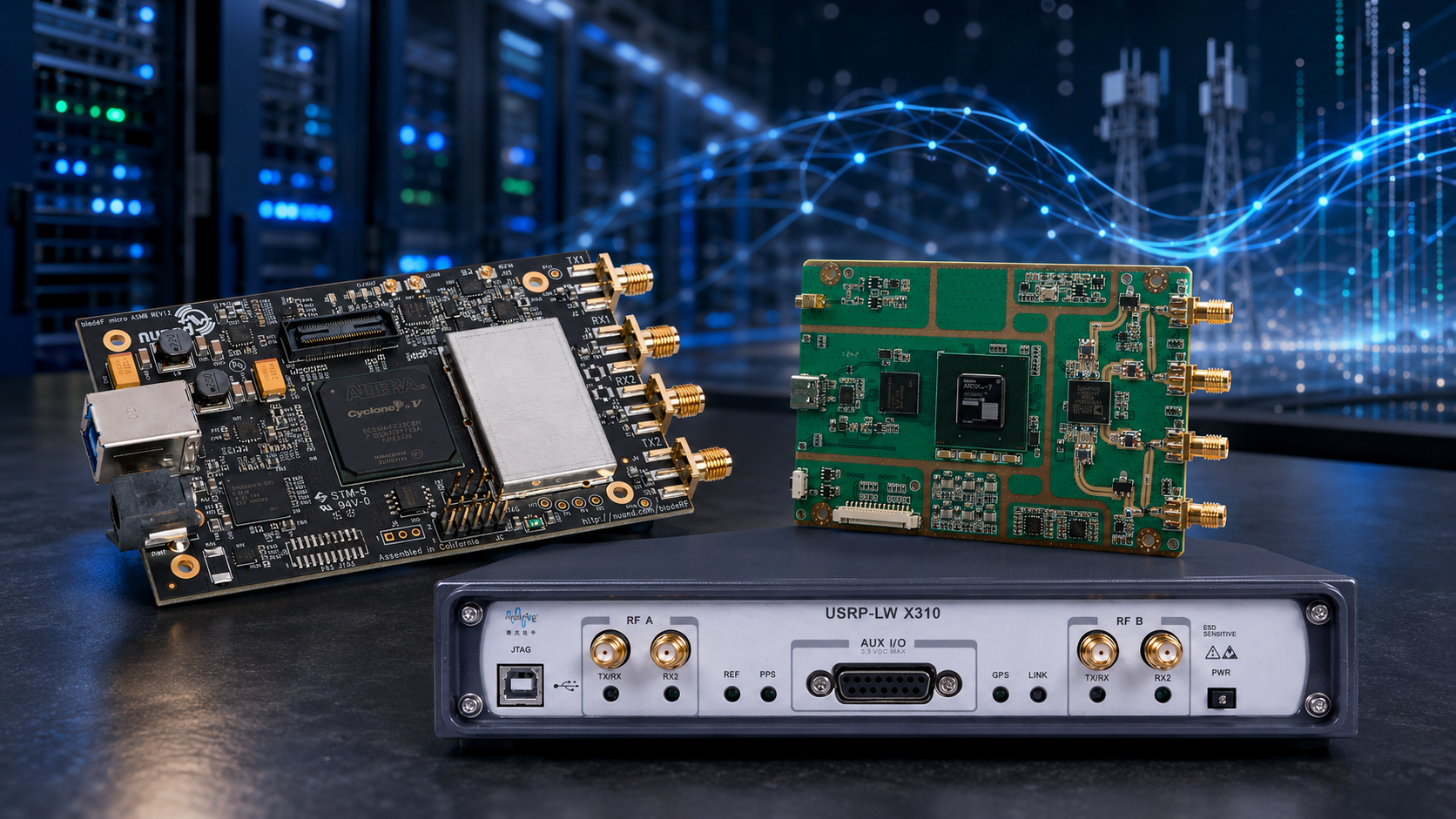
AI-RAN Explained: SDR Hardware for AI-Native 5G and 6G Research
AI-RAN is one of the most important research directions for 5G-Advanced and 6G networks. Instead of treating artificial intelligence as an external optimization tool, AI-RAN brings AI closer to the radio access network: into the RAN stack, onto shared RAN...
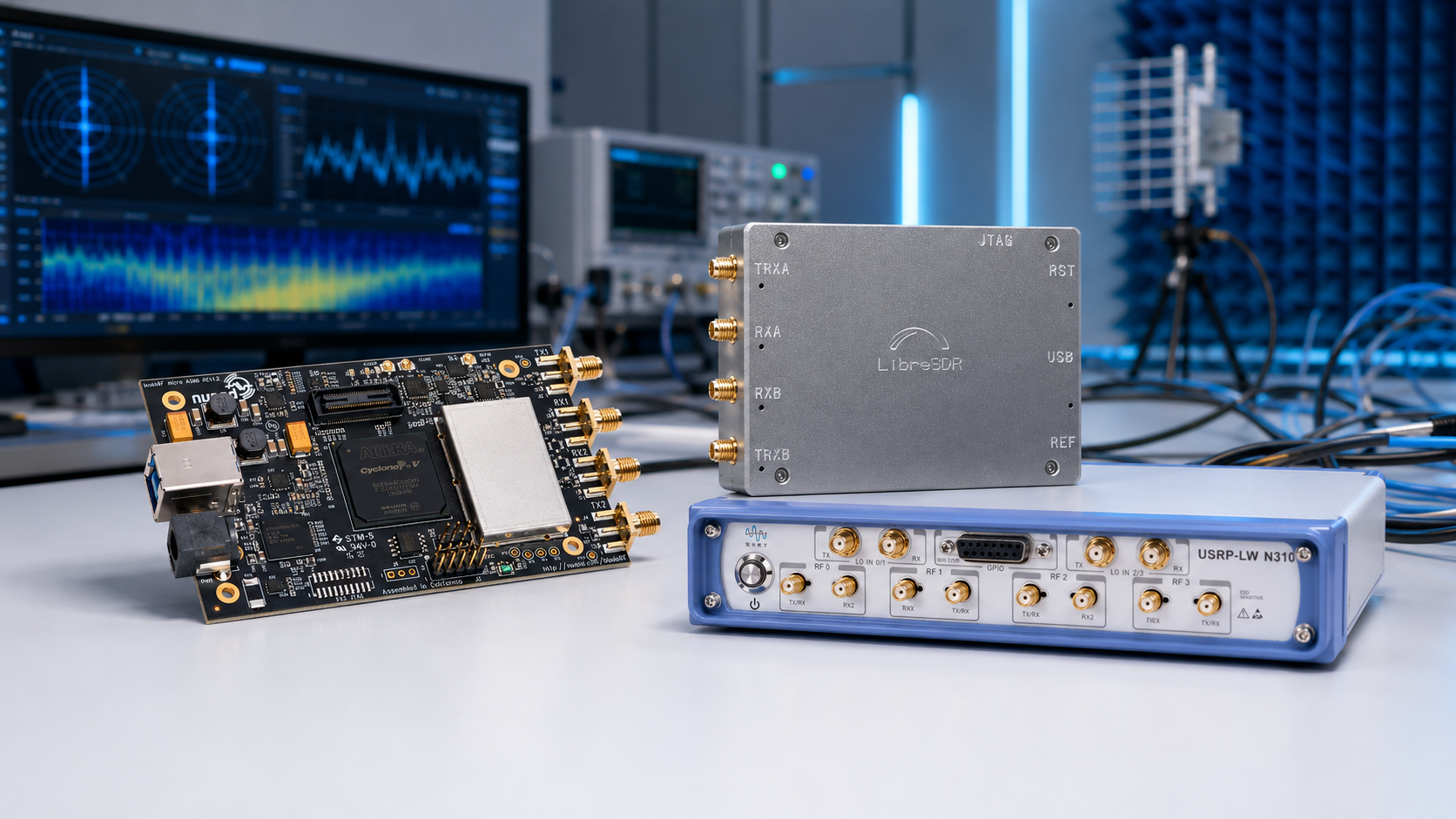
SDR for 6G Research: AI-RAN, O-RAN, MIMO, ISAC, and FR3 Experimentation
6G research is moving beyond faster mobile broadband. The next generation of wireless research includes AI-native radio access networks, O-RAN control loops, massive and distributed MIMO, integrated sensing and communication, edge AI, digital twins,...
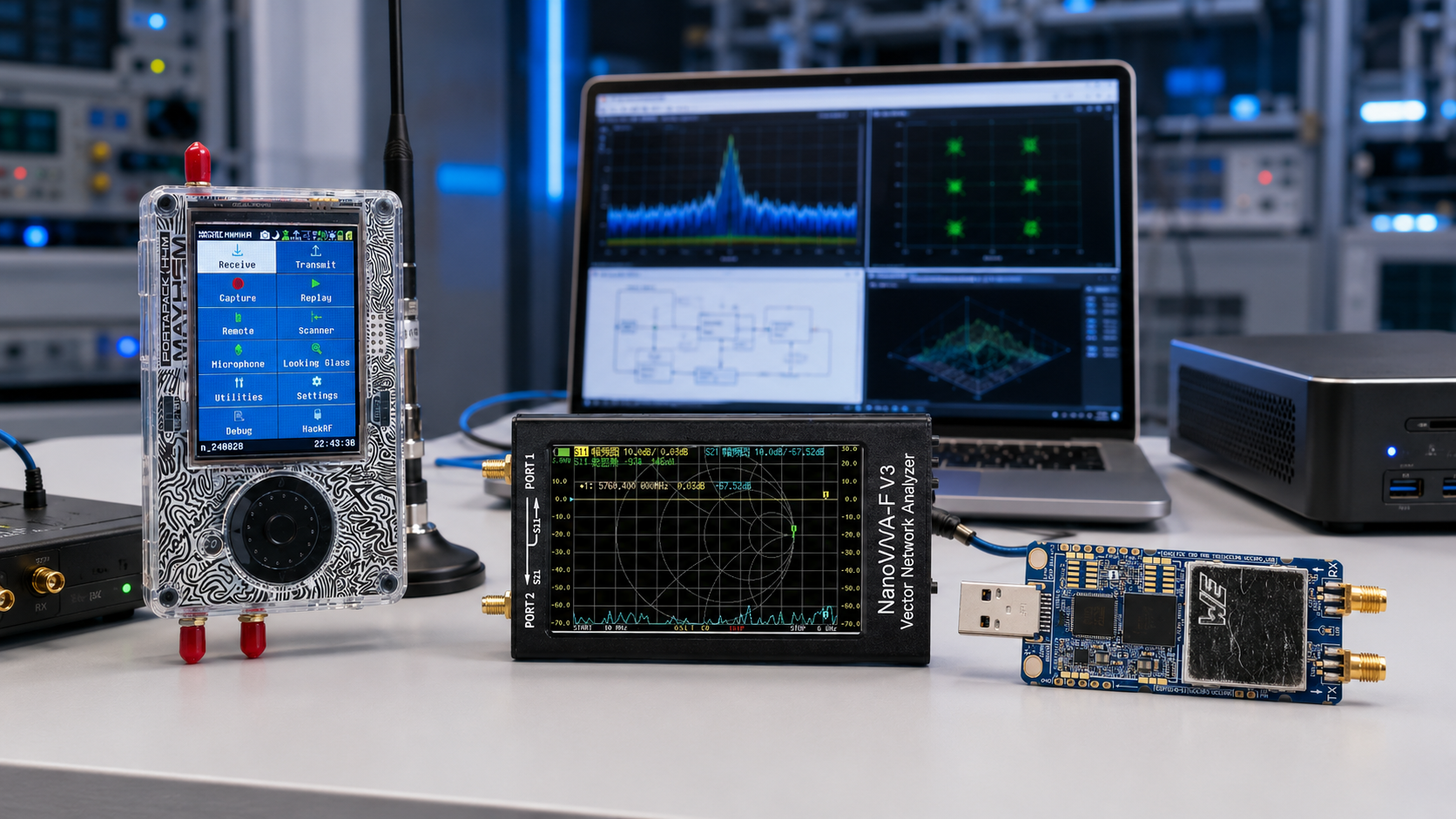
5G OAI Neural Receiver Testbed: What Hardware Does a Lab Need?
A 5G OAI neural receiver testbed is one of the most practical ways to move AI-RAN research from simulation into real wireless experiments. Instead of only training a neural receiver in a simulator, the lab runs a real OpenAirInterface-based 5G NR system,...
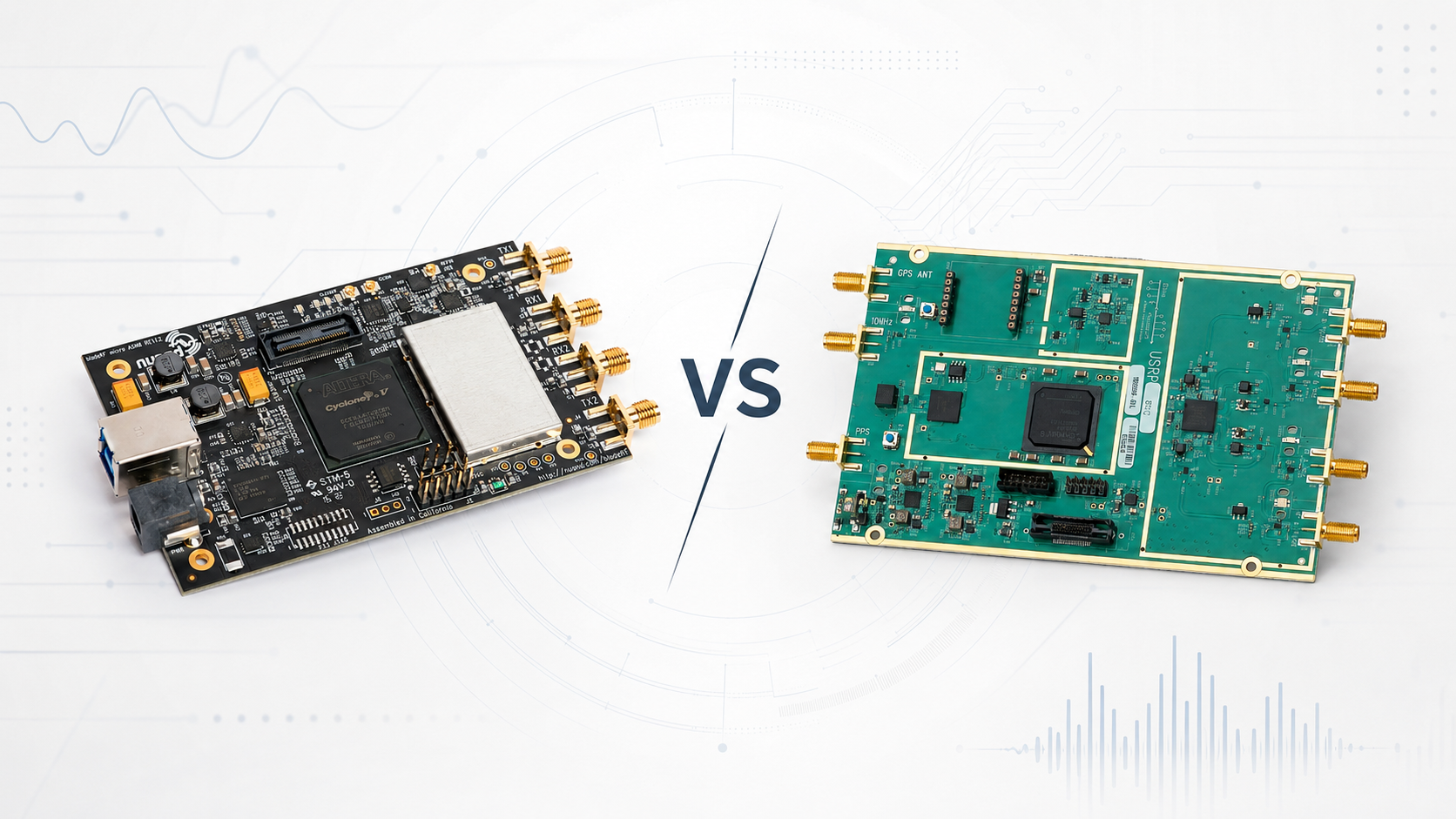
bladeRF 2.0 micro vs USRP B210: Which 2×2 MIMO SDR Is Better for Research?
bladeRF 2.0 micro and USRP B210 are two of the most interesting compact 2×2 MIMO software-defined radios for research labs. Both are USB-connected, both can handle serious wireless experimentation, and both are suitable for GNU Radio, MIMO learning,...






We support all major card and digital payment options. More local methods are available and shown during checkout.
You enter into a binding sales contract once you have received an 'order confirmation and sales receipt' email from us, in line with our Sales & Delivery conditions. Therefore, sdrstore.eu has the right to cancel your order in the event of technical problems, delivery failure, Fair use policy and other similar situations.






Your payments are protected by advanced encryption and 3-D Secure authentication for safe online shopping.