





USRP Devices and Their Capabilities in the SDR World
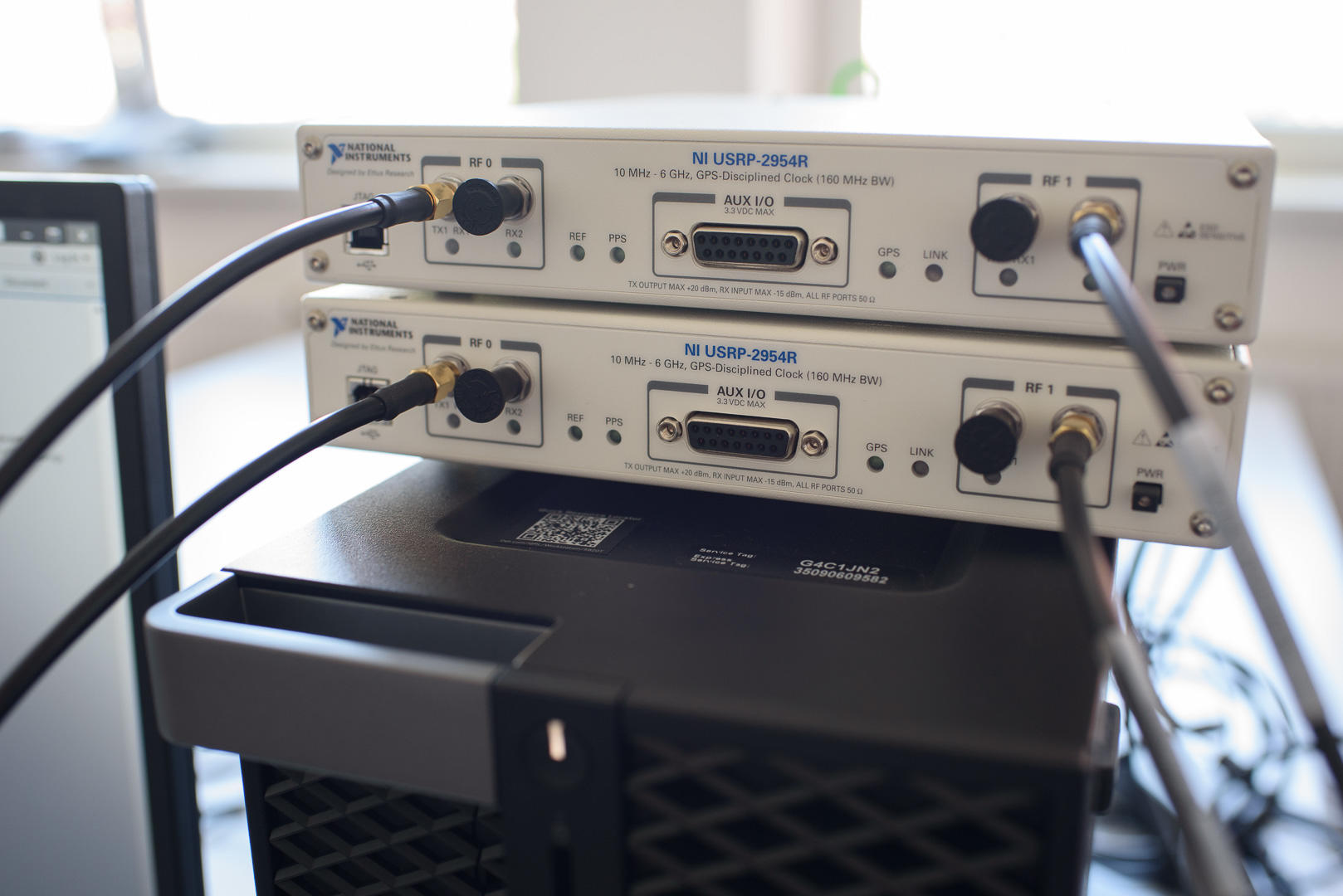
USRP (Universal Software Radio Peripheral) devices have revolutionized the world of Software-Defined Radio (SDR) by offering a flexible, high-performance platform for developing and deploying radio frequency (RF) applications. These devices are essential tools for engineers, researchers, and hobbyists who require versatile and powerful solutions for their wireless communication projects.
What Are USRP Devices?
USRP devices are a series of hardware platforms designed to facilitate SDR development. They are known for their ability to support a wide range of frequencies and communication protocols. USRP devices are modular, allowing users to select specific RF front ends and daughterboards tailored to their application needs.
Key Capabilities of USRP Devices
USRP devices are highly versatile and offer several key capabilities that make them popular in the SDR community:
- Wide Frequency Range: USRP devices can cover a broad spectrum of frequencies, typically from DC to several GHz, making them suitable for various communication standards.
- High Bandwidth: These devices support high data rates and bandwidths, enabling the development of complex and high-speed communication systems.
- Software Flexibility: With support for popular SDR frameworks like GNU Radio, USRP devices allow users to design and deploy custom signal processing algorithms easily.
- Modularity: USRP devices are modular, meaning users can customize their setup with different daughterboards and RF front ends to suit specific project requirements.
- Open Source: The open-source nature of USRP devices encourages community collaboration, leading to continuous improvements and a wide range of available applications and resources.
Applications of USRP Devices
USRP devices find applications across various fields due to their flexibility and performance:
- Wireless Communication Research: USRP devices are used extensively in academic and industrial research for prototyping and testing new wireless communication protocols and systems.
- Spectrum Monitoring: These devices are ideal for monitoring and analyzing the RF spectrum in real-time, making them valuable tools for regulatory bodies and spectrum management.
- IoT Development: USRP devices are utilized in developing and testing Internet of Things (IoT) applications, particularly those requiring custom or non-standard communication protocols.
- Education: USRP platforms are widely used in educational institutions for teaching wireless communication concepts and providing hands-on experience with SDR technology.
Conclusion
USRP devices are at the forefront of the SDR revolution, providing unmatched flexibility and performance for a wide range of applications. Whether you're an engineer, researcher, or hobbyist, USRP devices offer the tools you need to explore the world of wireless communication. For those interested in acquiring USRP products and exploring more SDR solutions, visit www.sdrstore.eu.
Shop products for this guide
Explore relevant products from our store.
Alternatives considered
Other relevant options for this guide.
-
USRP B210 USB SDR | 2x2 MIMO, 70MHz–6GHz, AD9361, UHD, GNURadio
Provides UHD/GNU Radio support and 2x2 MIMO; the selected board explicitly adds Kintex-7, USB-C and GPS while preserving B210 software compatibility.
-
SDR 3980 USRP | 8 TX/RX Channels, ADRV-9009 ×4, 75 MHz – 6 GHz, 450 MHz Tx BW, i9 CPU
Eight channels, an onboard i9 and 450 MHz transmit bandwidth serve advanced laboratories; the selected compact USB board better fits general SDR development.
-
USRP N210 SDR | 1x1, DC–6GHz, Gigabit Ethernet, MIMO, FPGA
The N210 offers 1x1 operation over Gigabit Ethernet; the selected board provides Kintex-7 and USB-C for host-connected development.
-
USRP N310 SDR | 4x4 MIMO, 10–6GHz, 100MHz BW, AD9371, Zynq-7100, SFP+
The N310 supplies networked 4x4 MIMO and 100 MHz per channel; those distributed-system capabilities are not required by this general introduction.
-
USRP N321 SDR | 2x2 MIMO, 3–6GHz, 200MHz BW, Zynq-7100, QSFP+, SFP+
The N321 offers networked 2x2 MIMO and 200 MHz per channel; choose it for higher-bandwidth networked systems rather than general USB-based development.
-
USRP X310 SDR | 2x2 MIMO, DC–6GHz, 160MHz BW, Kintex-7, SFP+, PCIe
The X310 offers 160 MHz per channel, SFP+/PCIe and daughterboard compatibility; the selected USB-C board is a more focused general-development purchase.
-
USRP SDR 2972 SDR | 2x2 MIMO, 70MHz–44GHz, 56MHz BW, USB 3.0, AD9361
Offers Artix-7, 56 MHz per channel and model-dependent frequency extensions; the selected board explicitly documents B210 compatibility and Kintex-7 upgrades.
-
USRP B200-mini-i 70MHz- 6GHz Software Defined Radio Development Board Ettus
The B200-mini-i documents industrial-temperature operation and Spartan-6; no industrial requirement is stated, favoring the selected board’s supported FPGA and connectivity upgrades.






We support all major card and digital payment options. More local methods are available and shown during checkout.
You enter into a binding sales contract once you have received an 'order confirmation and sales receipt' email from us, in line with our Sales & Delivery conditions. Therefore, sdrstore.eu has the right to cancel your order in the event of technical problems, delivery failure, Fair use policy and other similar situations.






Your payments are protected by advanced encryption and 3-D Secure authentication for safe online shopping.